John Deere Air Seeder Specifications and Features for Precision Farming
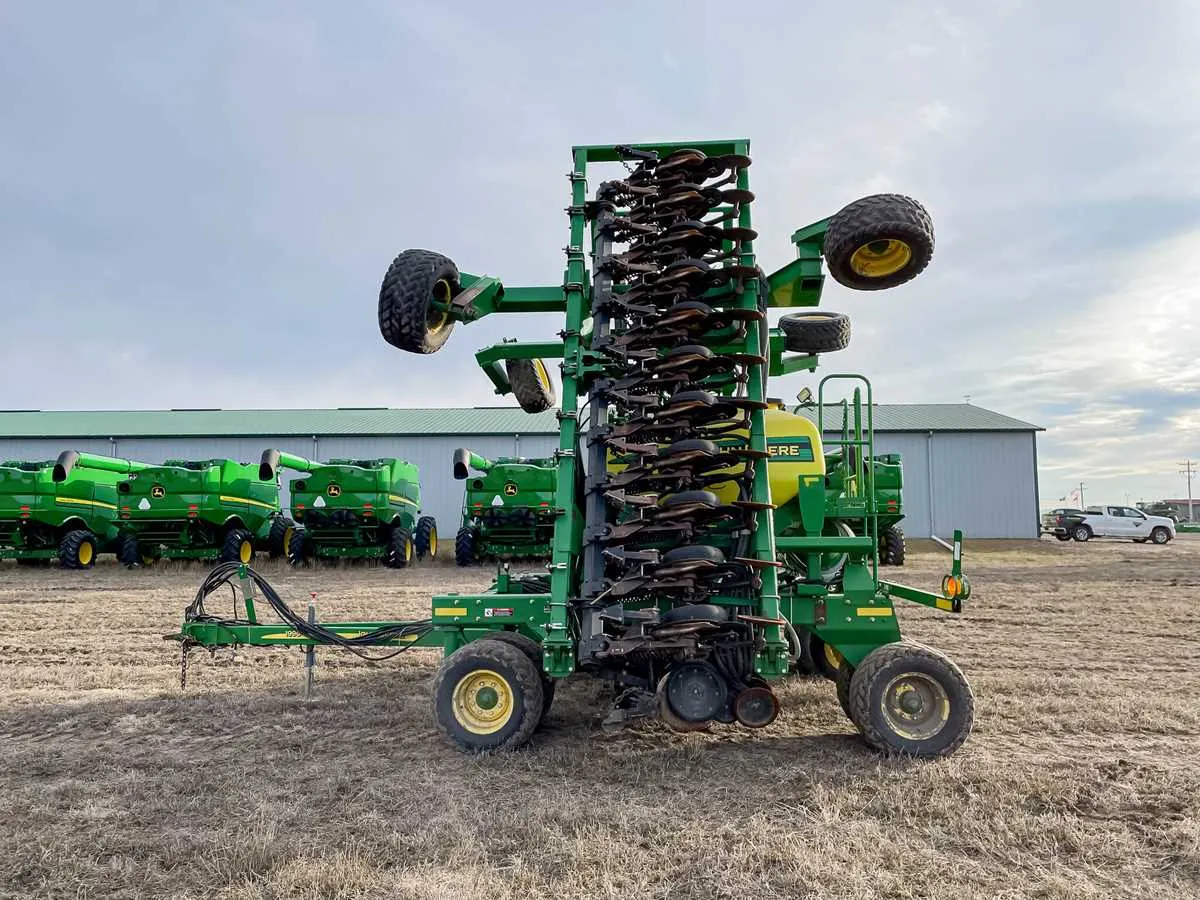
The John Deere Air Seeder offers advanced features for precise seed placement and optimal crop performance. With a robust design and advanced technology, it ensures even seed distribution across various soil conditions. This model provides exceptional efficiency, making it a top choice for farmers seeking reliability and productivity.
The machine’s air delivery system plays a key role in uniform seed placement. By using controlled airflow, it ensures that the seed is evenly distributed, regardless of the field’s terrain. This system, combined with the high-capacity seed tanks, allows for longer operational periods without frequent refills, making it an ideal solution for large-scale operations.
For added precision, the John Deere Air Seeder includes a variable rate application feature. This enables users to adjust seed rates based on field variability, improving both seed utilization and crop yield. With its easy-to-use controls and customizable settings, this seeder gives operators full control over their planting process, ensuring that each seed is placed exactly where it is needed for optimal growth.
John Deere Air Seeder Specs
The John Deere Air Seeder offers impressive capabilities tailored to maximize planting precision and efficiency. It features high-quality seed and fertilizer delivery systems designed for consistent performance across various terrains.
The air seeder comes with a wide range of configuration options, enabling flexibility for different farming operations. Here are the key specifications:
- Working Width: Available in sizes ranging from 30 to 60 feet, ensuring compatibility with large fields and a variety of crop types.
- Capacity: Hopper capacities of up to 550 bushels, with dual tank options to optimize seed and fertilizer separation.
- Metering System: Features the ExactRate™ system for precise seed placement, improving planting accuracy and reducing seed waste.
- Distribution System: Utilizes the AirPower™ blower system for uniform seed and fertilizer distribution, enhancing seedbed preparation and soil contact.
- Seeder Depth Control: Advanced hydraulics allow for easy adjustment of planting depth to suit soil conditions and crop requirements.
- Monitor and Control: Equipped with the SeedStar™ 4HP monitoring system for real-time tracking of seeding rates, seed placement, and performance data.
- Durability: Built with heavy-duty steel components and corrosion-resistant coatings to withstand harsh field conditions and prolonged use.
For those seeking a reliable and precise air seeding solution, the John Deere Air Seeder provides the technology and versatility to meet a wide range of planting needs. Consider these specs when choosing the right model for your operation.
Maximizing Seed Placement Precision with John Deere Air Seeders
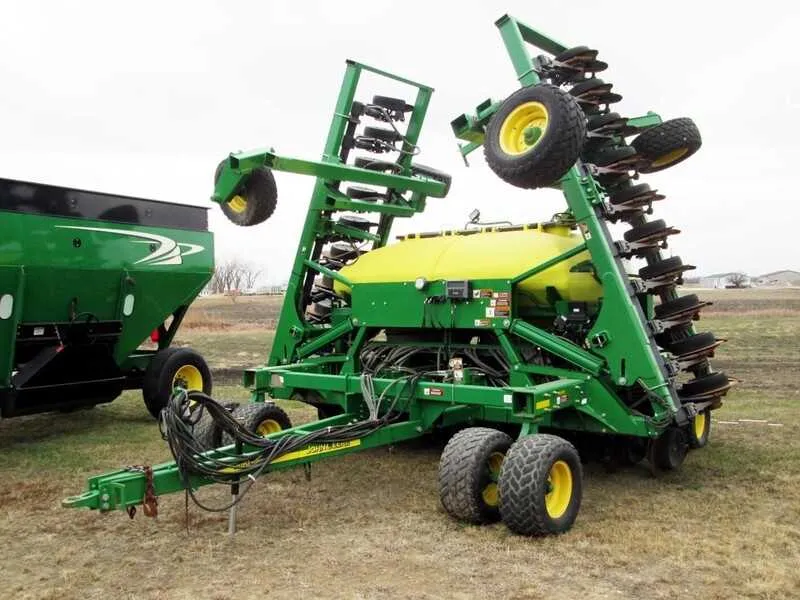
To achieve superior seed placement, prioritize consistent air flow and uniform seed distribution. John Deere air seeders come with advanced air management systems that ensure seeds are delivered evenly across the planting area. The air delivery system, combined with precise metering, helps prevent seed clumping and skips, resulting in better plant spacing and reduced seed waste.
Adjusting the seed depth is another key factor. John Deere air seeders allow precise depth control via hydraulic adjustments. Proper depth maximizes germination rates, as seeds are placed at the optimal soil depth, reducing exposure to variable soil conditions. Regularly calibrating the depth and checking for any changes in soil texture or moisture levels ensures that the seeders are working at their full potential.
The integration of GPS-based systems further enhances seed placement accuracy. By monitoring planting patterns in real-time, these systems adjust seed distribution and placement based on field conditions. This minimizes overlap and ensures even spacing, boosting crop uniformity and yield potential.
Utilizing variable-rate technology (VRT) on John Deere air seeders enables operators to adjust seeding rates across different field zones. This ensures that inputs match the varying soil fertility and moisture conditions, leading to more efficient use of seed and resources, with no wasted inputs.
Regular maintenance of the air seeder, particularly the air ducts and meters, keeps the system functioning smoothly. Clean air ducts ensure optimal airflow, while inspecting and calibrating seed meters guarantees accurate seeding rates. Additionally, timely replacement of wear parts like seed tubes and discs maintains seed drop accuracy.
Adjusting Airflow and Seed Rates for Different Soil Types
For sandy soils, reduce airflow to prevent over-seeding. Set the air pressure to a lower range of 1.5 to 2.5 PSI. This ensures seeds are not blown too far from the seeding row. Lower seed rates of 3 to 4 lbs per acre work best for these soils, as they have less moisture retention and require fewer seeds.
On clay soils, increase airflow slightly to 3 to 4 PSI to ensure proper seed delivery and to compensate for denser soil structure. A seed rate of 4 to 5 lbs per acre will promote adequate seed-to-soil contact. It’s essential to maintain even spacing, as these soils retain more moisture, which can encourage faster seed germination.
For loamy soils, aim for a balanced airflow of 2.5 to 3 PSI, providing adequate seed flow without causing compaction or seed drift. The optimal seed rate is 4 to 5 lbs per acre. Loam soils support consistent moisture and nutrients, making them versatile for a range of crops.
Adjusting air pressure and seed rates based on soil type ensures uniform seed placement, promotes even germination, and helps optimize crop performance throughout the growing season. Regular calibration of your seeder is recommended to maintain accuracy in different soil conditions.
Maintenance Tips for Long-Term Performance of John Deere Air Seeders
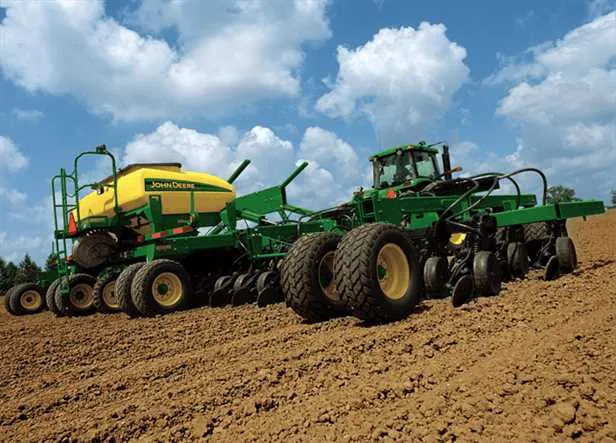
Regularly inspect and clean the air system to prevent clogging and ensure uniform seed distribution. Pay special attention to the air filters and hoses, replacing them if damaged or worn out.
Check the seed metering system often. Ensure that all components, such as the metering wheels and gates, are free of debris and moving smoothly. Regular calibration is a must for precise seeding rates.
Lubricate the seeders’ moving parts, including the seed hopper and the air delivery system, using the recommended grease. This will minimize wear and tear while keeping parts operating smoothly.
Monitor tire pressure to avoid uneven wear and ensure proper weight distribution. Maintaining the correct pressure enhances the seeder’s stability during operation.
Inspect the coulters and openers regularly for wear and tear. Replace any parts that are excessively worn to maintain seed placement accuracy.
Check the wiring and electrical connections for any signs of wear or corrosion. Damaged wires can affect the system’s performance, leading to seed distribution issues.
At the end of each season, thoroughly clean the entire machine, especially the air delivery system and seed metering areas. Storing the seeder in a dry, clean environment helps protect it from rust and extends its lifespan.