John Deere 1775 Planter Specifications and Features
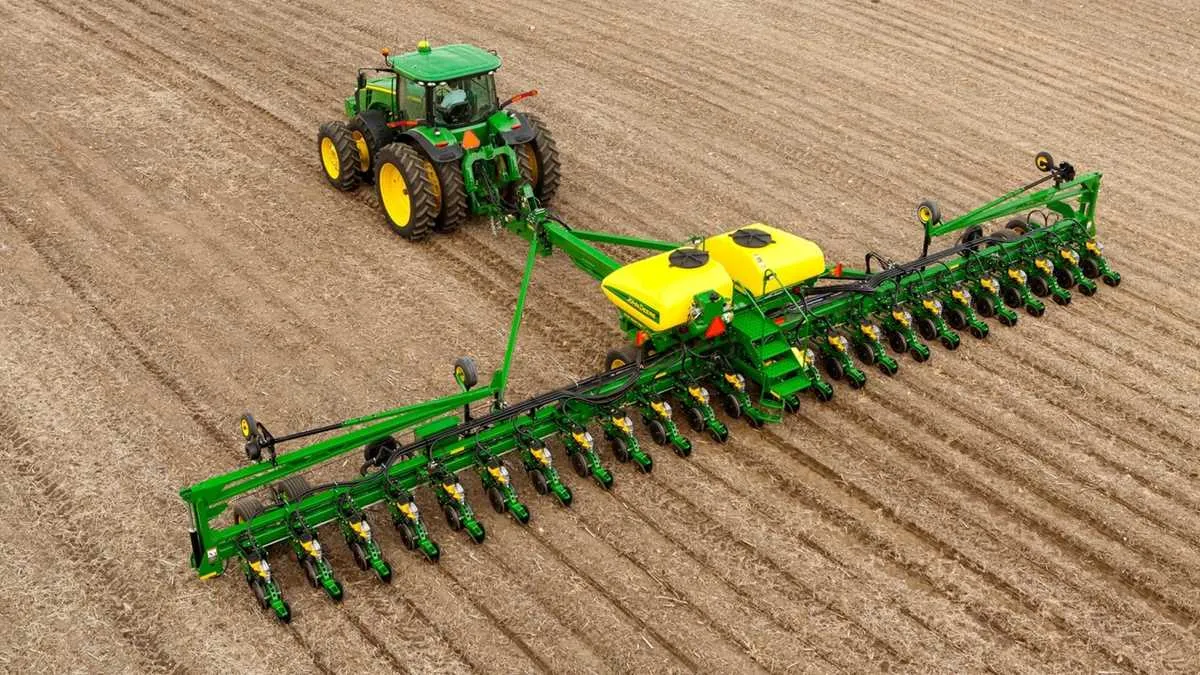
The John Deere 1775 planter is engineered for precision planting across various crop types. This model features advanced row-unit technology, ensuring consistent seed depth and placement. The row units can be adjusted to suit different soil conditions, making it versatile for both dry and wet environments. Its durable frame supports long hours in the field, reducing downtime.
The planter’s hydraulic system provides smooth operation, enhancing planting efficiency and minimizing fuel consumption. With a maximum working width of 12 rows, the 1775 is capable of planting large areas quickly without compromising accuracy. The pneumatic seed meter ensures each seed is placed with precision, optimizing crop yields.
For maintenance, the John Deere 1775 offers easy access to key components, reducing service time and simplifying repairs. Regular maintenance of the hydraulic system and seed meters will extend the machine’s lifespan. Always check the row units and ensure proper calibration before use for optimal performance.
John Deere 1775 Planter Specs
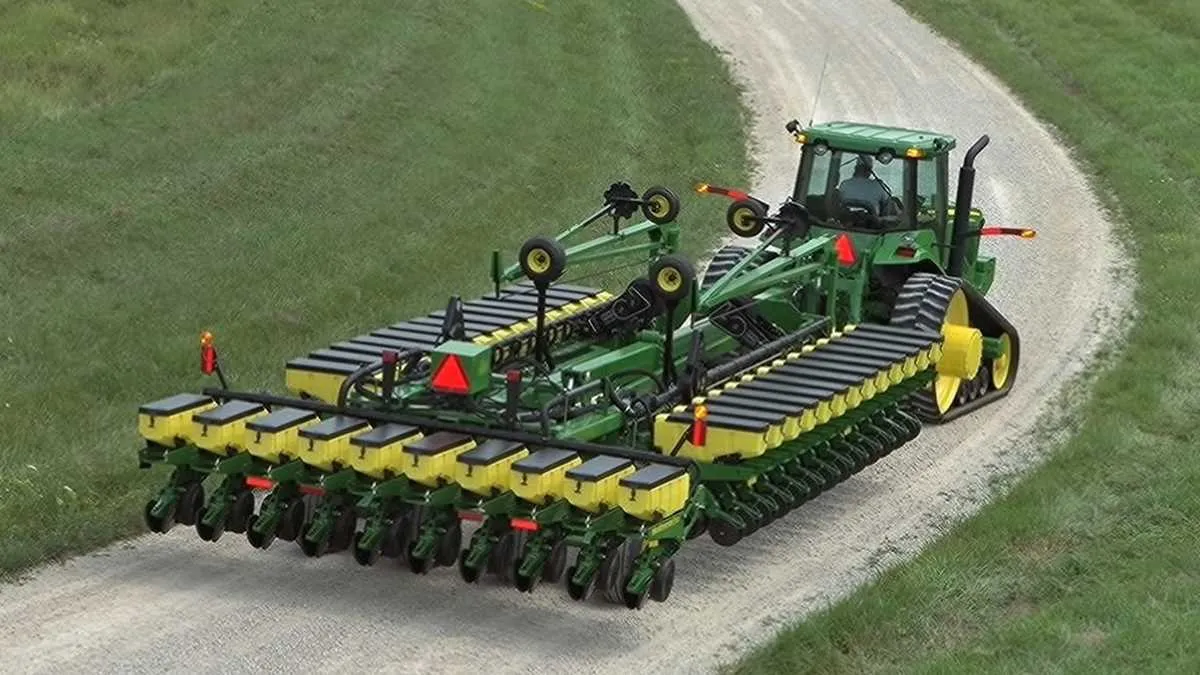
The John Deere 1775 planter offers a variety of features that make it a reliable choice for efficient planting. It comes with a choice of 12- or 16-row configurations, allowing for flexibility depending on the user’s field size and planting needs. The rows are equipped with individual meters for precise seed placement, ensuring consistent planting depth and spacing.
The planter is built with the ExactEmerge row unit, which delivers high-speed planting, even in tough field conditions. The row units also feature a pneumatic downforce system that adjusts automatically, providing optimal pressure for each row and ensuring uniform seed placement regardless of soil type or conditions.
For maximum productivity, the John Deere 1775 is compatible with a variety of seed types, from corn to soybeans, and includes the option for liquid or dry fertilizer placement. The integrated central commodity system allows for easy access and management of seed and fertilizer supplies, reducing downtime during planting.
The 1775 planter is designed with durability in mind. Its frame is made of high-strength steel, allowing it to withstand the demands of planting in a variety of environments. Additionally, the unit is designed for easy transport, with a folding mechanism that reduces the overall width for safe road travel.
For improved control and ease of operation, the planter features advanced ISOBUS technology, enabling seamless communication with a tractor for precise monitoring and adjustments. This ensures that operators can track performance in real-time and adjust settings without leaving the cab.
Seed Metering and Precision Planting Features
The John Deere 1775 planter features an advanced seed metering system designed to deliver precise seed placement and optimal spacing. This system improves accuracy in seed distribution, ensuring uniform germination rates across the field.
With the ExactEmerge technology, the planter achieves high-speed planting while maintaining precision. This system enables placement of each seed with minimal variability, even in challenging conditions. It reduces seed overlap and skips, enhancing overall field efficiency.
The vacuum seed meter on the 1775 is adaptable to various seed types, offering consistency and minimizing seed damage. It adjusts automatically for changes in seed size, allowing for a more flexible planting process. The system also features easy calibration and diagnostics to ensure accurate performance over time.
For those requiring even higher precision, the 1775 integrates with John Deere’s Air Seeding system, which further optimizes seed placement through advanced technology. This ensures better seed-to-soil contact, promoting stronger crop growth and higher yields.
Engine and Hydraulic System Specifications
The John Deere 1775 planter operates with a 4.5L, 4-cylinder engine delivering 100-150 horsepower, depending on configuration. This engine is optimized for fuel efficiency and durability under heavy workloads, ensuring consistent performance during planting operations.
Hydraulic capabilities are driven by a closed-center system, which delivers consistent flow and pressure to key components. The system operates at a pressure range of 2500-3000 psi, supporting various planter functions such as row unit depth control, marker deployment, and the drive system.
The hydraulic pump capacity is rated at 30-45 gpm, depending on model specifications. This high capacity ensures fast response times and efficient operation of all hydraulic components, allowing seamless transitions between planting and transport modes.
For better control, the planter is equipped with a hydraulic weight transfer system that adjusts the weight distribution across the planter, ensuring better ground contact for each row unit. The system is adjustable based on field conditions, providing flexibility for various soil types and terrain.
Hydraulic reservoirs are designed for extended operation, with a large capacity to prevent overheating during long planting sessions. Proper maintenance of the hydraulic fluid levels and filters is crucial for maintaining peak performance throughout the planting season.
Maintenance and Durability Considerations
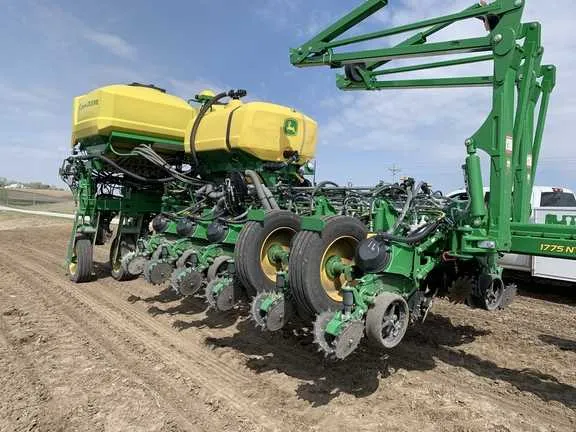
The John Deere 1775 planter is built with durability in mind, yet regular maintenance ensures its longevity and performance. To keep it in optimal condition, perform routine checks and follow these guidelines:
- Daily Inspections: Check for any loose bolts, wear on seed plates, and hydraulic system leaks. Inspect the toolbar for any signs of damage or wear.
- Lubrication: Regularly lubricate the moving parts of the planter, including the row units, lift arms, and gauge wheels. This helps reduce friction and prevent premature wear.
- Check Seed Metering System: Ensure the seed meters are clean and functioning properly. Any blockage in the system can result in uneven planting depth or spacing.
- Hydraulic System Maintenance: Monitor fluid levels and replace hydraulic filters as recommended by the manufacturer. Keep the hydraulic lines free of debris to maintain smooth operation.
- Frame Inspection: Examine the planter frame for any cracks or deformities, especially after heavy use. Any structural issues should be addressed immediately to prevent further damage.
For long-term durability, store the planter in a dry location when not in use, and keep it covered to protect from external elements. Regularly inspect and replace worn components to avoid costly repairs down the road.