John Deere Gator Tire Specifications and Compatibility Guide
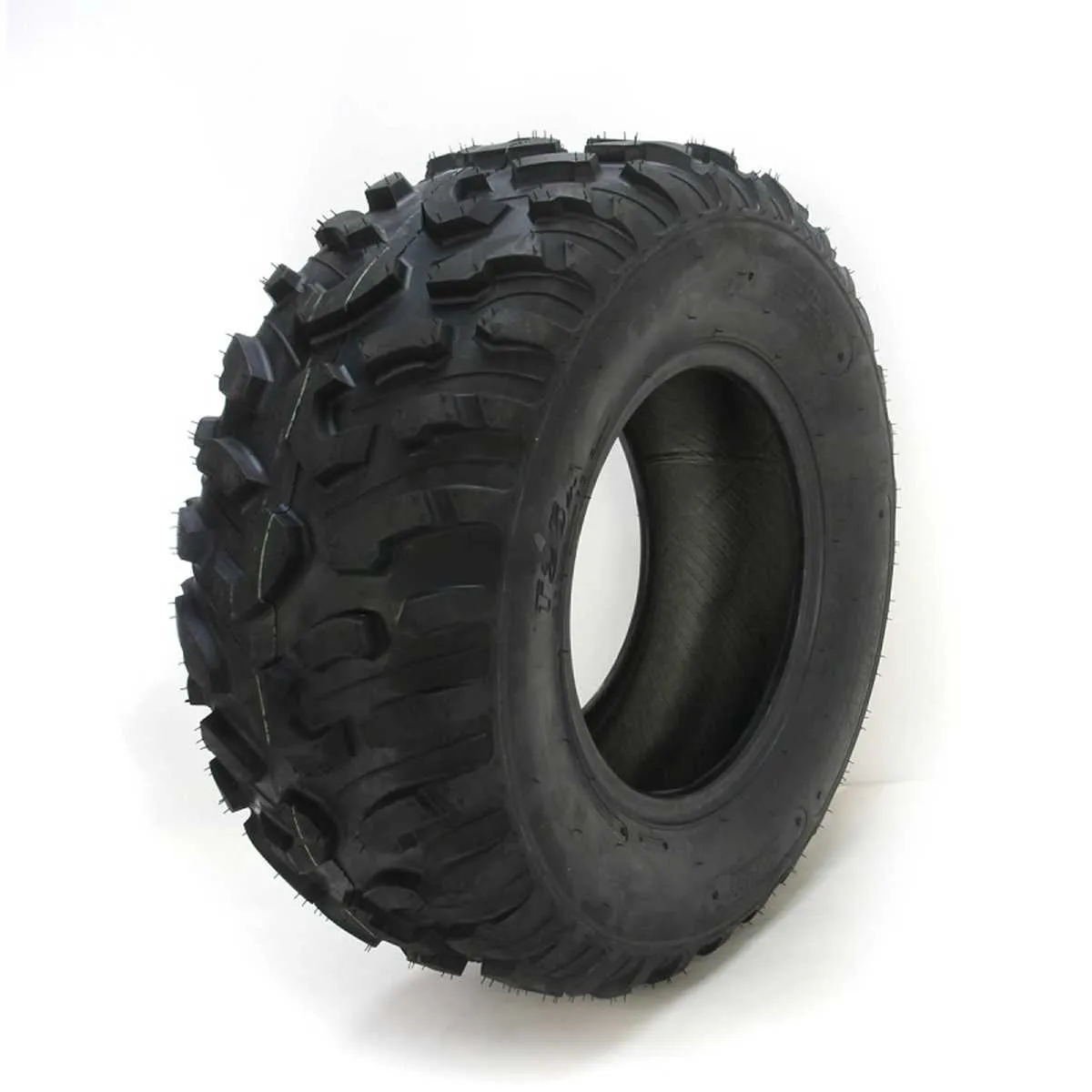
The right tire for your John Deere Gator can make all the difference in performance, whether you’re tackling tough terrains or hauling heavy loads. The standard tire specifications for most Gator models are built for durability and traction. Typically, these vehicles come equipped with 25×10-12 tires for the front and 25×12-12 for the rear. This size ensures optimal grip on various surfaces while maintaining a smooth ride. For those requiring more specialized performance, like for rougher off-road conditions, upgrading to larger tires or adding tread patterns designed for mud and snow could provide the necessary traction.
If you’re considering a replacement or upgrade, keep in mind that the tire pressure plays a key role in performance and lifespan. For most Gator tires, maintaining a pressure of 12 PSI on the front and 10 PSI on the rear ensures a balanced ride and adequate load support. Under-inflating or over-inflating can compromise the ride quality and cause premature wear. Also, always check the load rating, as it varies with tire type and size, and ensure it matches your usage needs for safety.
For owners of Gator models like the 825i, 855D, or XUV, specific tire specifications may vary slightly. It’s important to consult the owner’s manual for the exact measurements and recommended specifications tailored to your model. Opting for high-quality, heavy-duty tires such as those from manufacturers like Carlisle or Kenda ensures long-term durability, better performance, and reliable safety when pushing your Gator to its limits.
John Deere Gator Tire Specs
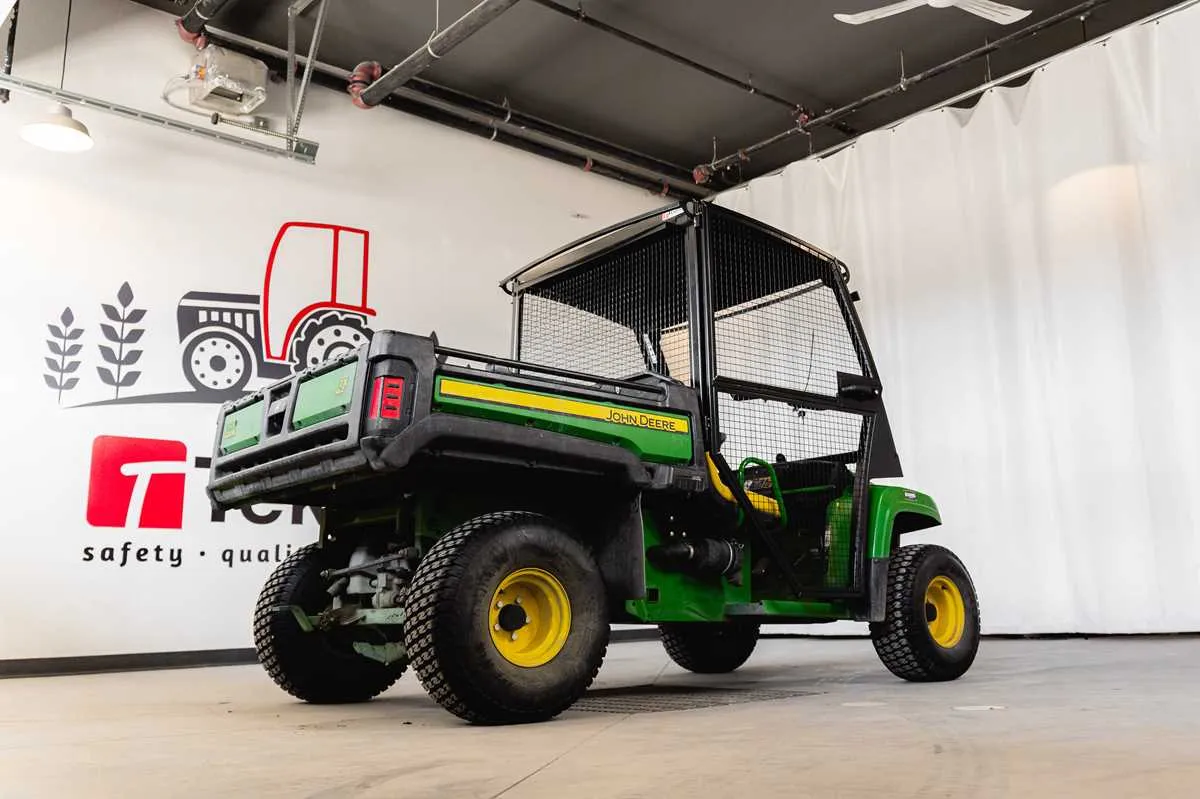
When selecting tires for your John Deere Gator, make sure to match them with the recommended specifications for optimal performance. Standard tire sizes vary depending on the model and intended use, but most Gators use 25×10-12 or 26×9-12 tire sizes. These tires are designed to handle a mix of terrain, offering good traction without compromising comfort.
If you have a 4×2 or 6×4 Gator, the recommended tire size is typically 20×10-8 for the rear and 20×8-8 for the front. However, newer models like the XUV 835 and XUV 865 can accommodate larger tires such as 26×9-14 and 26×11-14. It’s important to always check your vehicle’s manual for exact tire size and specifications as tire size can affect ride quality and handling.
For maximum stability and traction, consider the tread pattern of the tires. A non-directional tread design is common for most Gator models, providing balanced grip on both wet and dry surfaces. If you plan to use your Gator off-road, look for tires designed specifically for mud or rough terrain, as they will offer superior grip in challenging conditions.
The recommended tire pressure is usually around 10-12 PSI for most models, but it can vary depending on load and terrain. For heavy-duty applications or if you’re carrying extra weight, you may need to adjust the tire pressure accordingly to prevent excessive wear or reduce the risk of punctures.
Lastly, be mindful of the tire load capacity. Each tire has a maximum load rating, and exceeding this can affect the Gator’s handling, braking, and overall safety. Always verify the load capacity of the tires before operating under heavy loads.
Choosing the Right Tire Size for Your John Deere Gator Model
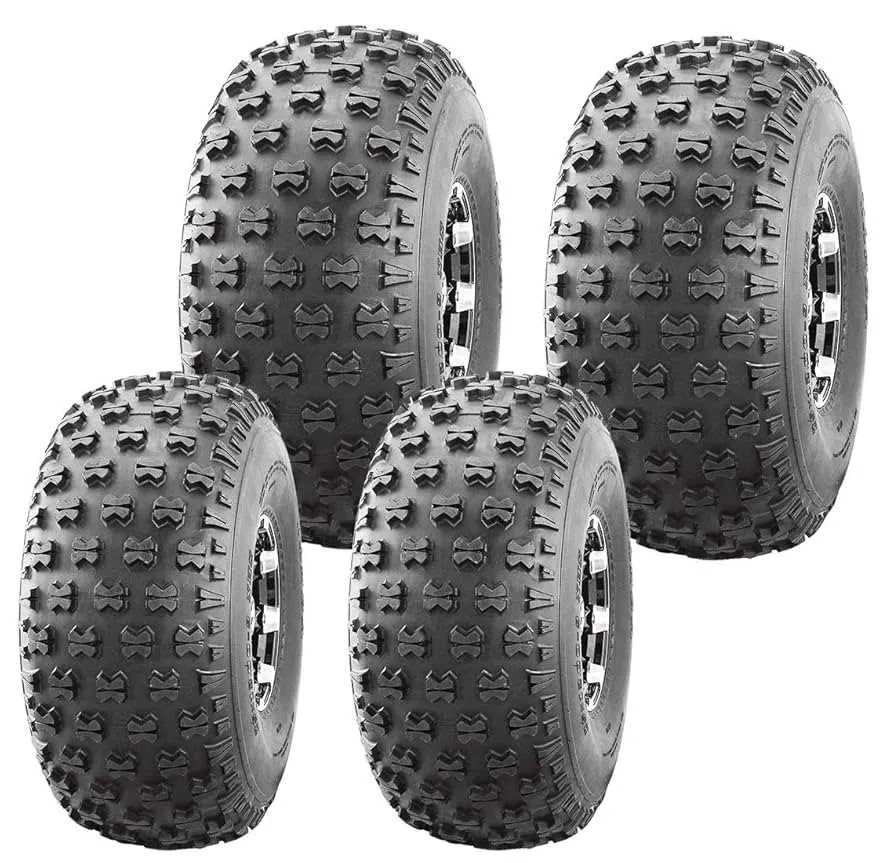
Selecting the right tire size for your John Deere Gator ensures a smoother ride and better performance on various terrains. Each model has specific tire requirements based on its design and intended use. Here’s how to make the right choice:
- Check Your Model’s Specifications: Every John Deere Gator model, such as the XUV 560, 825, or 855D, has its recommended tire sizes. Always refer to the owner’s manual or the tire placard on the vehicle for the exact tire size specifications.
- Understand Tire Dimensions: Tire sizes are typically listed in a series of numbers, like 25×10-12 or 27×9-12. The first number represents the tire’s height (diameter), the second is its width, and the third number indicates the rim size. Matching these dimensions with your vehicle is critical.
- Consider the Terrain: Tires designed for different terrains–such as turf, mud, or rocky paths–offer specific tread patterns and compound materials. If you frequently drive on soft surfaces or muddy paths, opt for larger tires with deeper treads for better traction.
- Load Rating: Make sure the tire’s load rating matches the weight of your Gator model, especially if you often carry heavy loads or equipment. A higher load rating ensures the tire can handle the additional stress.
- Wheel Compatibility: Ensure your wheels can accommodate the chosen tire size. While most John Deere Gator models use 12-inch rims, it’s crucial to confirm the rim width and fitment before purchasing new tires.
Choosing tires that match your Gator’s specifications and your driving needs will improve both safety and performance. Keep these factors in mind for the best results.
Understanding Tire Pressure Requirements for John Deere Gators
For optimal performance, maintain tire pressure between 12-14 psi for the front tires and 12-14 psi for the rear tires on most John Deere Gators. Lower pressure can improve traction in off-road conditions, while higher pressure enhances load capacity and stability on hard surfaces.
Check tire pressure regularly using a reliable gauge, especially before long trips or heavy-duty tasks. Cold tire pressure is the most accurate reading, so measure it when the Gator hasn’t been used for at least three hours.
Adjusting pressure for specific conditions is crucial. For example, increase pressure if you’re hauling heavy loads or driving on pavement, and reduce it when navigating rough terrains, like sand or mud, to avoid damage and maintain control.
For tires with a specific load rating, be mindful of the manufacturer’s recommendations. Over-inflation can lead to reduced traction, while under-inflation may result in tire wear and overheating.
Always use the recommended tire pressure to extend the lifespan of your tires and prevent safety hazards on the trail or worksite.
Common Tire Types and Their Performance on John Deere Gators
For John Deere Gators, selecting the right tire is crucial for optimizing performance across various terrains. The most popular tire types are turf tires, all-terrain tires, and mud tires, each offering specific advantages depending on your needs.
Turf tires are ideal for maintaining lawns or golf courses. Their wide, low-profile design prevents damage to grass while providing a smooth ride. These tires perform best on hard, flat surfaces and offer minimal traction on loose or uneven ground.
All-terrain tires are the most versatile. They are designed for a balance between comfort and traction, making them suitable for mixed environments like dirt trails, gravel paths, and some mud. With a more aggressive tread pattern, they offer better grip without sacrificing ride quality. If you’re unsure about the terrain, these tires are a solid choice.
For rough, muddy, or uneven terrain, mud tires perform the best. Their deep, knobby treads excel at gripping loose surfaces, allowing the Gator to easily navigate through thick mud or snow. However, they can cause a rougher ride on hard surfaces and are less efficient on turf or smooth trails.
Each tire type has its strengths and weaknesses, so consider the terrain and use case when choosing the right option. Regularly check tire pressure and tread wear to ensure optimal performance and longevity.