John Deere Wheel Torque Specifications for Optimal Performance and Safety
To maintain optimal performance and ensure safety, it’s crucial to follow the correct wheel torque specifications for your John Deere equipment. These specs are essential for securing the wheels properly, preventing damage, and extending the lifespan of your vehicle.
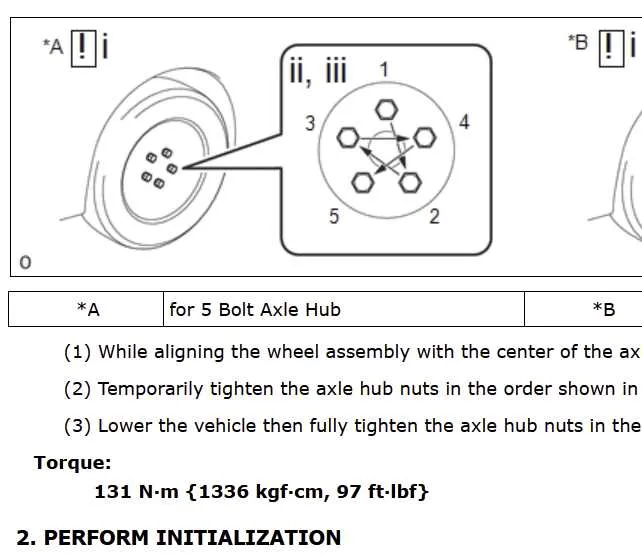
For most John Deere tractors, the recommended wheel lug nut torque is 120-140 ft-lbs. Make sure to tighten the lug nuts in a crisscross pattern to ensure even pressure distribution. This prevents the wheel from warping and ensures a safe fit. Check torque settings periodically, especially after the first few hours of operation after wheel installation.
If you’re working with larger machinery or different models, always consult your operator’s manual for specific torque values. These numbers may vary based on the model and size of the tires. For example, the John Deere 8R series may require a different torque setting than a smaller John Deere 3032E tractor.
Regularly check the torque specifications after servicing the tires or when working in extreme conditions like heavy hauling or frequent fieldwork. Consistent wheel maintenance not only boosts safety but also enhances the overall efficiency of your equipment.
John Deere Wheel Torque Specs
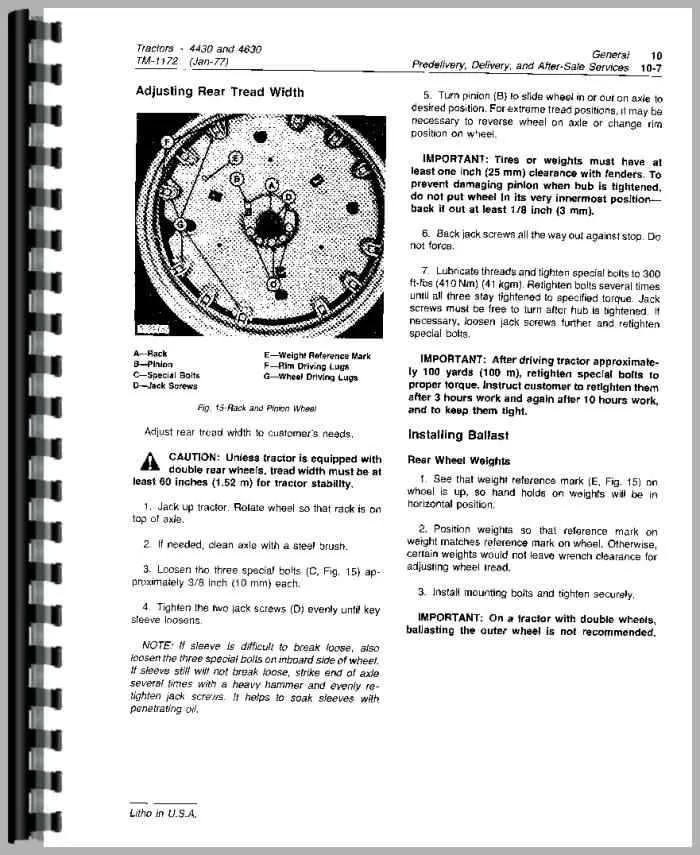
Ensure the proper torque for John Deere wheels to maintain safety and prevent damage. For most models, the recommended torque for wheel bolts is between 90 to 130 ft-lb (122 to 176 Nm). Always consult your specific machine’s manual for exact specifications.
Follow these steps for correct wheel torque application:
- Use a calibrated torque wrench to apply the correct torque to each bolt.
- Torque the wheel bolts in a crisscross pattern to ensure even pressure distribution.
- Recheck the torque after 10-20 hours of operation, as the bolts may loosen slightly after initial use.
For larger tractors like the 9R Series, the torque specs may go up to 450 ft-lb (610 Nm), so it’s critical to adjust accordingly based on the model.
Remember, tightening the bolts to the correct torque prevents accidents, ensures a smooth ride, and extends the lifespan of your equipment.
Correct Torque Values for Different John Deere Models
For accurate wheel attachment on John Deere equipment, always refer to the manufacturer’s specifications for each model. Incorrect torque can lead to damage or unsafe operation. Below are some torque values for popular John Deere models:
John Deere 1025R: 75-85 ft-lbs
John Deere 2025R: 75-85 ft-lbs
John Deere 5045E: 105-115 ft-lbs
John Deere 6R Series: 250-300 ft-lbs
John Deere 8R Series: 450-500 ft-lbs
Always follow the manual for your specific model. Verify torque with a calibrated torque wrench to ensure proper wheel installation and avoid over-tightening or under-tightening. Torque specifications may vary based on wheel size and type, so checking the exact model’s manual is vital for safety and performance.
How to Properly Measure and Apply Torque to John Deere Wheels
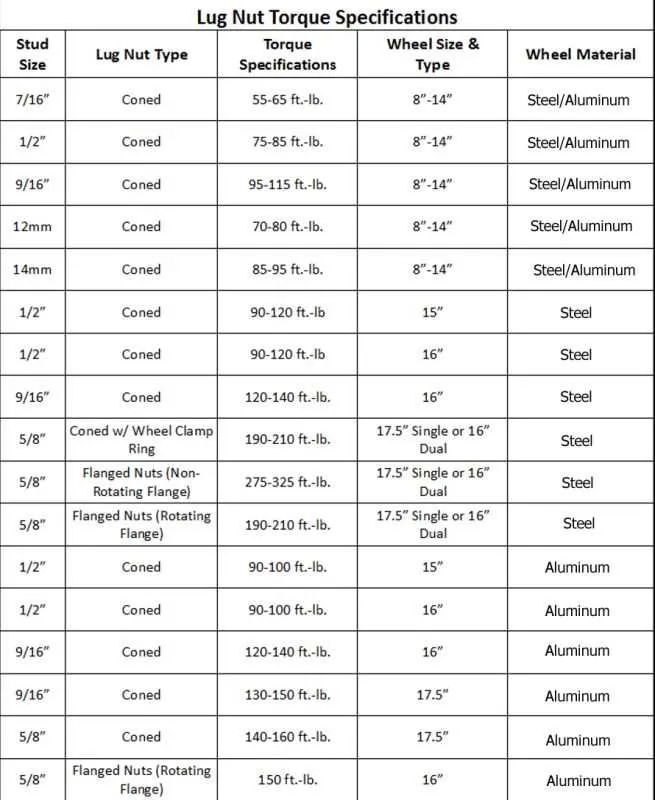
To apply torque to your John Deere wheels, use a high-quality torque wrench to ensure accuracy. Start by setting the correct torque specification for your specific model, typically found in the owner’s manual or maintenance guide. For most John Deere tractors, wheel lug nuts require a torque between 80 and 150 ft-lbs, depending on the model and wheel size.
Before tightening, check that the wheel is properly seated and aligned. Begin tightening each lug nut in a crisscross pattern to distribute pressure evenly across the wheel. This will help avoid warping the wheel or stressing the bolts unevenly. Tighten each nut slightly, then move to the next before going back and tightening each one to the final torque specification.
It’s important to torque the lug nuts in multiple passes. First, tighten each lug nut to about 50% of the final torque value. Then, complete a second pass, bringing each lug nut up to the specified torque. If possible, verify the torque after the first few hours of use to ensure the nuts haven’t loosened.
Never use an impact wrench to apply the final torque, as it can result in over-tightening or uneven pressure. A manual torque wrench provides the precision necessary to prevent damage to both the wheel and the lug bolts.
Lastly, periodically inspect the torque of your wheel lug nuts, especially after long periods of use or after servicing the wheels. A properly torqued wheel will improve safety, performance, and prolong the life of your tractor.
Common Mistakes When Setting Torque on John Deere Wheels
Do not use a torque wrench that’s not calibrated properly. An uncalibrated tool can lead to incorrect torque readings, causing either too much or too little force on the wheel nuts.
Avoid tightening wheel bolts in a random order. Always follow the recommended star pattern to ensure even distribution of torque. This prevents warping of the wheel and ensures it stays securely attached.
Don’t over-tighten the bolts. It’s easy to think that more torque equals better security, but over-tightening can damage the threads and lead to wheel deformation. Stick to the specifications provided in the manual.
Never skip checking the torque after a few hours of use. The bolts can loosen slightly after the initial drive, so recheck and re-tighten them to the recommended specs to avoid unexpected issues.
Don’t forget to use the correct lubricant or anti-seize compound on the bolts if required. Without proper lubrication, friction may alter the torque, making it difficult to achieve accurate results.
Make sure you are using the correct torque value for the specific model and wheel size. Different John Deere models may require different torque specs, so always verify the numbers for your machine.