John Deere Tier 4 ECU Specifications and Features
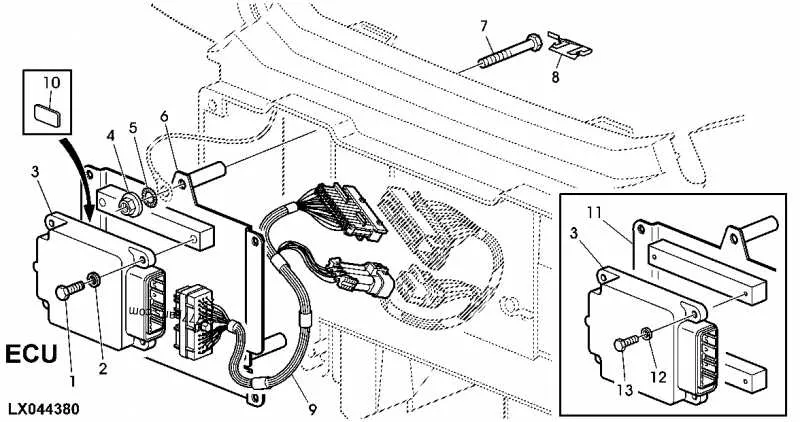
Understanding the specifications of the John Deere Tier 4 ECU is key to ensuring optimal performance and longevity of your equipment. The ECU (Engine Control Unit) plays a central role in controlling emissions, fuel consumption, and engine efficiency. For machines equipped with Tier 4 engines, the ECU is designed to meet stringent environmental regulations while maintaining high operational standards.
One important feature of the John Deere Tier 4 ECU is its ability to precisely manage fuel injection timing and air-to-fuel ratio. This allows the engine to run more efficiently, reducing emissions without compromising power. The ECU also interacts with various sensors to monitor exhaust after-treatment systems, adjusting engine performance as needed to maintain compliance with emission standards.
Key specifications include a robust communication network that integrates with other on-board systems. This enables real-time monitoring of engine performance, providing operators with valuable data on fuel efficiency and emission output. Regular maintenance of the ECU ensures that all components, including the diesel particulate filter (DPF) and selective catalytic reduction (SCR) systems, continue to function optimally.
John Deere Tier 4 ECU Specifications
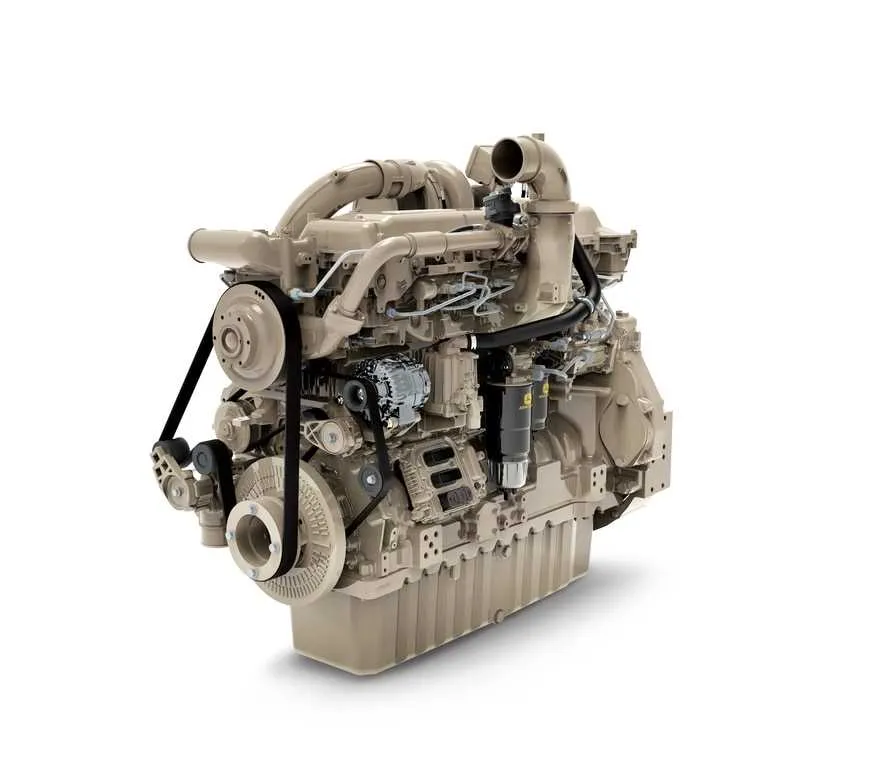
The John Deere Tier 4 ECU is designed to manage engine performance while ensuring compliance with strict emissions standards. It controls key systems such as fuel injection, exhaust gas recirculation (EGR), and selective catalytic reduction (SCR) to reduce pollutants and enhance engine efficiency.
Operating with advanced algorithms, the ECU adjusts fuel delivery in real-time to optimize combustion and minimize emissions. The system uses data from various sensors to monitor engine parameters like temperature, pressure, and exhaust flow, making necessary adjustments for peak performance.
The ECU is compatible with various John Deere engines, from tractors to construction equipment, providing a seamless integration that supports both power and durability. It interfaces with the vehicle’s diagnostic system, allowing for easy troubleshooting and maintenance through standard diagnostic tools.
In terms of data handling, the ECU processes and stores critical performance data, including fuel usage, engine load, and exhaust temperatures. This data can be accessed by service technicians to assess the health of the engine and perform necessary updates or repairs.
For operators, the Tier 4 ECU ensures smooth power delivery and reliability under heavy load conditions, reducing the likelihood of engine stress or failure. Regular software updates and calibration are recommended to maintain optimal ECU performance.
Understanding the Key Features of John Deere Tier 4 ECUs
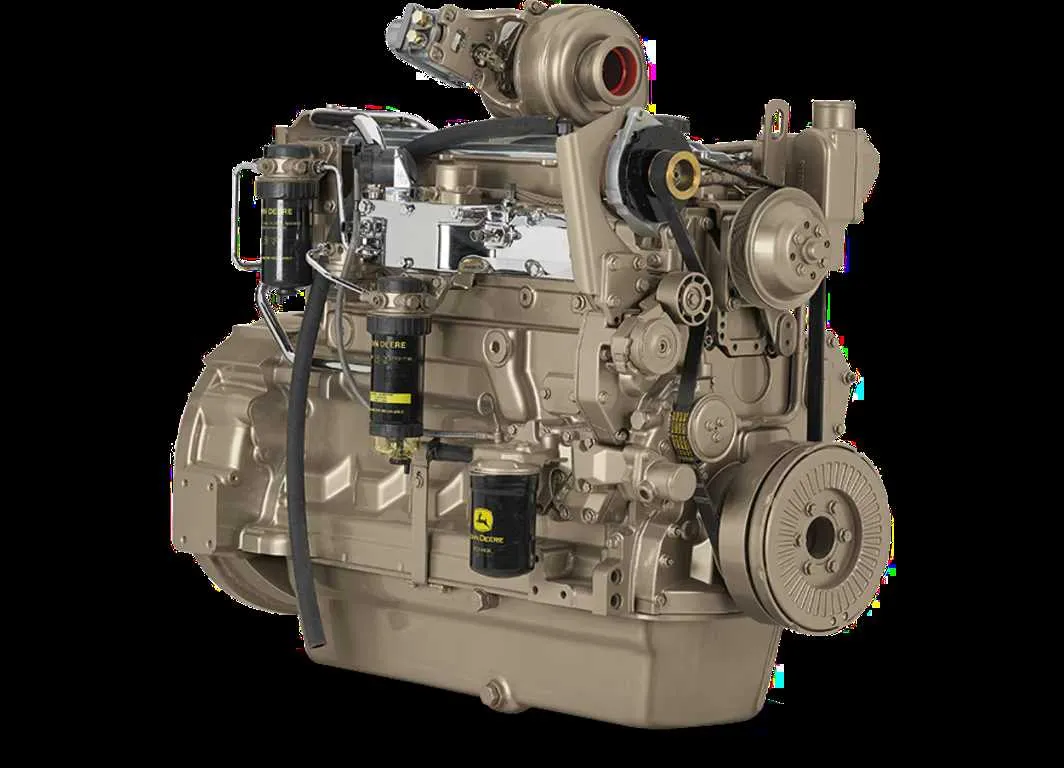
John Deere Tier 4 ECUs offer precision control of engine performance while meeting strict emission standards. These units optimize fuel efficiency and reduce harmful emissions by managing engine parameters with high accuracy.
The ECU manages critical systems such as air-fuel ratio, exhaust gas recirculation (EGR), and selective catalytic reduction (SCR), ensuring optimal engine output while maintaining environmental compliance.
Key features include:
- Real-time Monitoring: The ECU continuously monitors engine health, adjusting parameters to prevent overexertion and enhance longevity.
- Integrated Diagnostic System: Built-in diagnostic tools help identify potential issues before they become critical, reducing downtime.
- Adaptive Control: The ECU adapts to various load conditions, adjusting performance settings automatically for improved fuel economy and reduced emissions.
- Emission Control: The ECU precisely manages systems like EGR and SCR to ensure compliance with Tier 4 emission standards.
By using real-time data and precise controls, the John Deere Tier 4 ECU contributes to lower operating costs, better fuel consumption, and extended engine life.
How John Deere Tier 4 ECUs Improve Engine Performance
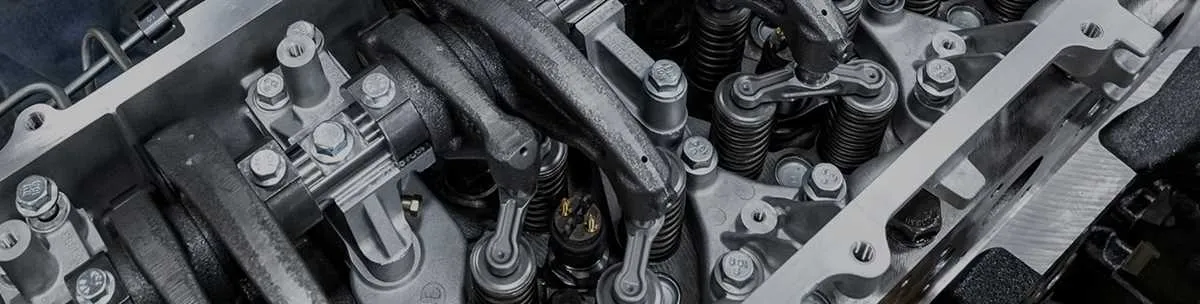
John Deere Tier 4 ECUs precisely control the engine’s fuel injection, boosting combustion efficiency and optimizing power output. This results in more consistent engine performance, even under varying load conditions.
The ECU monitors engine parameters like air intake temperature, exhaust temperature, and pressure levels, adjusting fuel flow and injection timing in real-time to maintain optimal performance. By making continuous adjustments based on data, the ECU ensures that the engine operates within its ideal efficiency range, improving fuel economy and reducing emissions.
Another key feature is the ECU’s ability to manage the exhaust aftertreatment system. It regulates the regeneration process of diesel particulate filters (DPF) and selective catalytic reduction (SCR) systems, ensuring they perform effectively without sacrificing engine power.
By fine-tuning engine settings to match load and operational conditions, John Deere ECUs reduce wear and tear on components, prolonging engine life and reducing maintenance costs. This level of precision also minimizes downtime, keeping equipment running smoothly in demanding environments.
John Deere’s ECU system also integrates with other machine management tools, providing operators with real-time performance data and alerts. This allows for proactive maintenance and ensures the machine remains in peak condition over time.
Compatibility and Integration of John Deere Tier 4 ECUs with Other Systems
John Deere Tier 4 ECUs are engineered to seamlessly integrate with various agricultural and construction machinery systems. These ECUs communicate effectively with sensors, actuators, and controllers throughout the vehicle, ensuring smooth operation and enhanced performance. Integration with engine control, transmission systems, and exhaust after-treatment systems is achieved through industry-standard protocols like CAN bus, enabling reliable data exchange and coordination.
To ensure compatibility with existing machinery, John Deere Tier 4 ECUs are designed to meet SAE J1939 and ISO 11783 standards, making them adaptable to a wide range of equipment. This allows operators to easily upgrade older machinery to Tier 4 emission standards without significant modifications to the underlying systems. Advanced diagnostics and monitoring features enable seamless troubleshooting and maintenance, improving uptime and reducing repair costs.
John Deere’s ECUs are also compatible with precision farming systems, allowing for enhanced fleet management, real-time monitoring, and data collection. Integration with GPS, telematics, and automatic steering systems ensures that Tier 4 ECUs help optimize field operations while maintaining compliance with emissions regulations.
For optimal performance, it’s crucial to ensure proper calibration and software updates when integrating Tier 4 ECUs with other systems. John Deere provides robust support tools and diagnostic software that help technicians verify compatibility and ensure the integration is functioning as expected. Regular software updates also ensure the ECUs maintain compatibility with evolving technologies and any new regulatory requirements.