Torque Specifications for John Deere 425 Kawasaki Engine
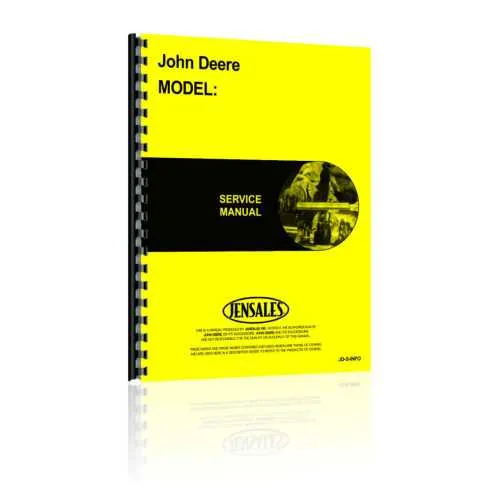
The Kawasaki engine in the John Deere 425 requires precise torque settings for optimal performance and longevity. To ensure the engine operates smoothly, it is crucial to follow the recommended torque values during assembly or maintenance tasks. Each component, from cylinder head bolts to crankcase fasteners, has its specific torque specification that prevents over-tightening or under-tightening, which could lead to engine damage or reduced performance.
Start by checking the engine components you plan to work on. For the cylinder head, torque the bolts to 40 ft-lb in a crisscross pattern to ensure even pressure distribution. For the valve cover bolts, the proper torque is 6 ft-lb. Don’t forget to refer to the service manual for any updates specific to your machine’s model and year.
Always use a calibrated torque wrench when tightening fasteners. Over-tightening can cause gasket failure, while under-tightening may lead to leaks or poor sealing. Regular maintenance checks are recommended to verify torque settings remain accurate, as vibrations over time can affect the integrity of tightened bolts. For any maintenance or repairs, having the right tools and adhering to the manufacturer’s specifications will help keep the engine in top working condition.
John Deere 425 Kawasaki Torque Specifications
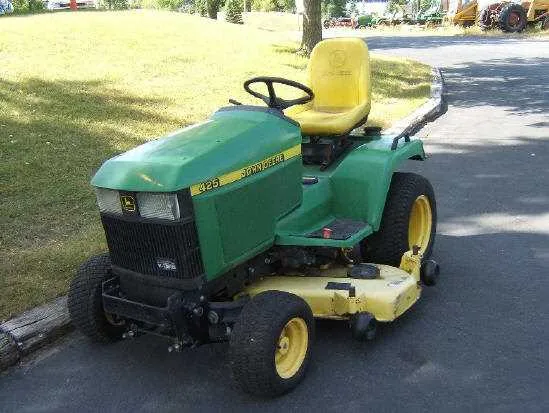
For proper engine performance and longevity, ensure the correct torque values are applied to the fasteners. Below are the precise torque specifications for the John Deere 425 with a Kawasaki engine:
Engine Head Bolts: Tighten to 40-45 ft-lbs in a criss-cross pattern to ensure even pressure across the head.
Connecting Rod Bolts: Use 20-25 ft-lbs for the correct compression, ensuring the engine operates smoothly.
Crankshaft Pulley Bolt: Apply 60-70 ft-lbs to secure the crankshaft pulley. This will maintain correct alignment and prevent potential damage during operation.
Flywheel Bolt: Torque to 50-60 ft-lbs to ensure the flywheel is securely fastened for consistent performance and reduced wear.
Oil Pan Bolts: Tighten to 18-22 ft-lbs. Proper tightening helps prevent oil leaks and maintains engine integrity.
Check each bolt torque specification during regular maintenance intervals to ensure optimal engine function. Always verify torque settings using a calibrated torque wrench to avoid damage.
Determining the Correct Torque for Engine Components
To achieve optimal engine performance, it’s vital to apply the correct torque to engine components. Torque specifications ensure that parts are properly secured without causing damage or inefficiency. Follow these steps to determine the proper torque values:
- Consult the Manual: Always check the manufacturer’s specifications for each component. Manuals provide accurate torque values for bolts and fasteners specific to the engine model.
- Use a Torque Wrench: A calibrated torque wrench is essential for applying the correct force. Ensure the tool is set to the recommended torque setting before tightening.
- Sequence and Pattern: When tightening bolts, especially on parts like cylinder heads, follow the recommended sequence. This prevents warping or uneven pressure on the components.
- Torque in Stages: Tighten bolts in multiple stages, progressively reaching the final torque value. This technique ensures a more uniform distribution of pressure.
- Monitor Environmental Conditions: Take into account temperature and humidity. These factors can influence the torque application, especially with metals that expand or contract under varying conditions.
By adhering to these practices, you’ll ensure that the engine components remain securely fastened, reducing the risk of damage and improving the longevity of the engine.
Adjusting Torque Settings for Optimal Performance
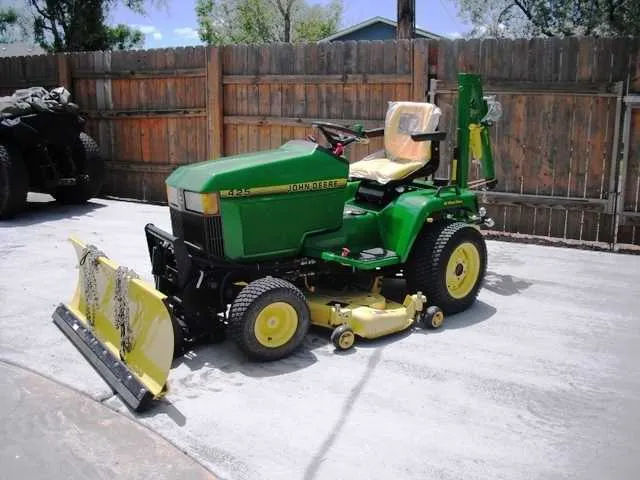
Ensure that all components are tightened to the manufacturer-recommended torque specifications. Over-tightening can cause damage, while under-tightening may lead to mechanical failure. Regularly check torque values during routine maintenance to maintain consistent performance.
Use a calibrated torque wrench for accurate adjustments. Start by tightening fasteners in a criss-cross pattern to distribute the pressure evenly. This method helps avoid warping or stress points that could affect the overall integrity of the machine.
Monitor torque settings based on operational conditions. For instance, higher loads may require slightly higher torque, but never exceed the maximum specifications. Keep a maintenance log to track changes and prevent deviations from optimal settings.
Check for any signs of wear on components like gaskets or seals, as they may affect the ability to maintain proper torque. If components show signs of damage, replace them before reapplying torque settings.
Common Mistakes to Avoid When Applying Torque
Ensure the torque wrench is calibrated before use. An improperly calibrated tool will deliver inaccurate readings, leading to either under-tightening or over-tightening components. Regular calibration prevents this issue and maintains accuracy.
Avoid applying torque on a dry or dirty surface. Contaminants such as dust, grease, or oil can affect the torque reading, leading to incorrect application. Always clean the surface thoroughly before tightening the fasteners.
Never rush the process. Torque should be applied steadily and gradually. Jerky or rapid motions can cause inaccurate readings, and in extreme cases, damage the fastener or surrounding components.
Don’t ignore the manufacturer’s recommended torque values. Applying torque that is too high or too low can result in component failure. Refer to the specifications for each part to ensure you’re using the correct values.
Avoid using an undersized torque wrench. Ensure the wrench fits the fastener properly to apply torque evenly. A mismatch can cause inaccurate measurements and damage the tool or fastener.
Do not use extension bars unless specifically recommended. While they provide more leverage, they can also affect the accuracy of the torque measurement. Always check if the extension alters the torque wrench’s effectiveness.
Ensure the torque wrench is held in the correct position. Holding it off-center can affect its accuracy and cause an uneven torque application. Hold the wrench handle directly in line with the fastener.