John Deere 4045 Marine Engine Specifications and Features
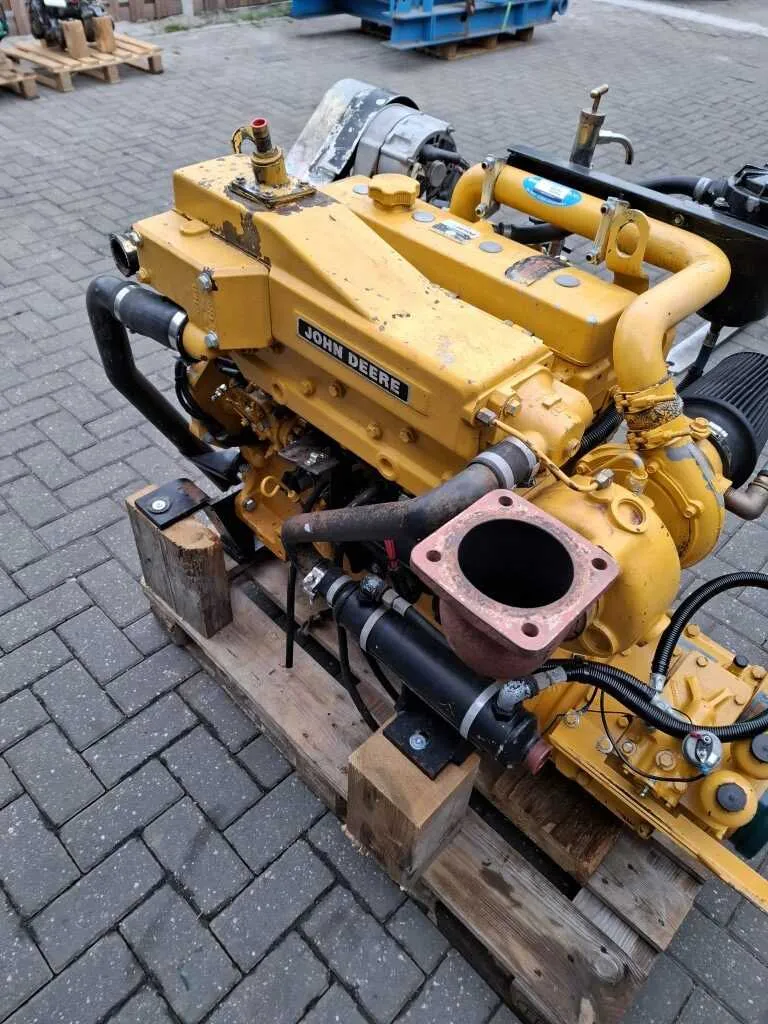
The John Deere 4045 marine engine delivers reliable power for various marine applications. With a rated power of up to 130 horsepower, this engine is designed for performance in demanding environments. The engine operates efficiently, reducing fuel consumption and maximizing reliability during long hours of use.
Engineered for durability, the 4045 model features a robust structure that ensures long-lasting performance, even under harsh marine conditions. Its advanced cooling system maintains optimal temperature levels, preventing overheating and extending engine life. The engine’s compact design makes it suitable for vessels with limited space while still providing the necessary power for various marine tasks.
The 4045 marine engine also offers easy maintenance access, allowing for quick servicing and minimal downtime. With minimal vibration and noise, the engine enhances the comfort of the crew and passengers onboard. For operators seeking high performance and longevity, the John Deere 4045 marine engine remains a solid choice for demanding maritime operations.
John Deere 4045 Marine Engine Specifications
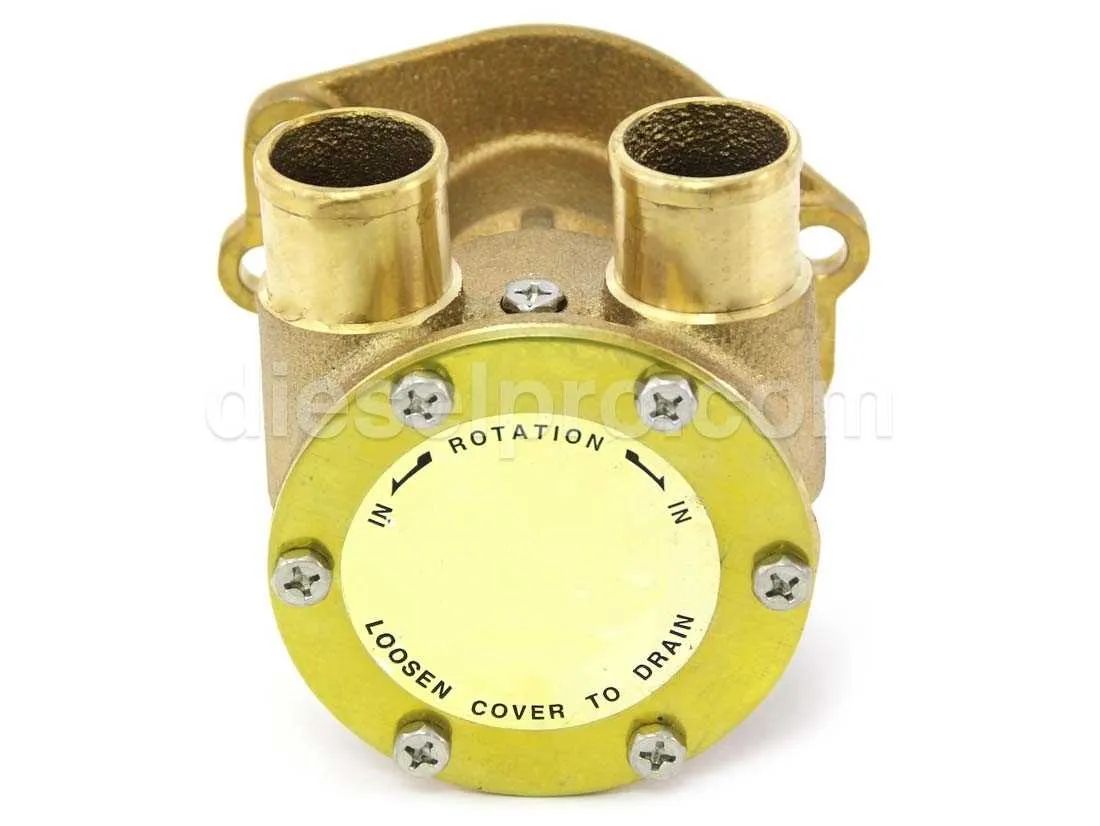
The John Deere 4045 marine engine is designed for reliability and high performance. Its compact size and robust construction make it ideal for various marine applications, including commercial and recreational vessels.
The engine features a four-cylinder, turbocharged and aftercooled configuration. It has a displacement of 4.5 liters, which provides a balance of power and fuel efficiency. With a power output ranging from 100 to 150 horsepower, it is suited for a variety of boat sizes and applications.
- Displacement: 4.5 liters
- Cylinders: 4
- Horsepower: 100-150 hp
- Torque: 480-510 Nm (depending on the model)
- Fuel System: Common rail fuel injection
- Cooling System: Freshwater cooling with a heat exchanger
- Dimensions: Compact size for easy integration into a variety of boat designs
- Weight: Approx. 450-500 kg
This engine is equipped with advanced technology that helps reduce emissions while maintaining fuel economy. The common rail fuel system optimizes fuel delivery for smoother operation and reduced noise levels. Additionally, the aftercooling system ensures that the engine operates at optimal temperatures, reducing the risk of overheating and extending engine life.
When selecting the John Deere 4045 for marine use, it’s crucial to consider the specific requirements of your vessel, including size, weight, and power needs. This engine offers flexibility, making it suitable for a wide range of marine conditions.
Engine Performance and Power Output of the John Deere 4045
The John Deere 4045 marine engine delivers impressive performance with a power output tailored for demanding marine applications. With a displacement of 4.5 liters and a robust 4-cylinder configuration, it achieves optimal power while maintaining fuel efficiency. The engine generates up to 150 horsepower, making it suitable for a wide range of marine vessels, from recreational boats to commercial crafts.
The engine is designed to operate at a maximum torque of 445 lb-ft at 1,500 RPM, ensuring excellent low-end power for smooth acceleration and reliable operation in various conditions. It provides a consistent power band that enhances responsiveness and efficiency during extended use. The engine’s electronic controls and advanced fuel injection system allow for precise management of power delivery, contributing to reduced emissions and fuel consumption.
Designed for durability and long-term performance, the 4045 marine engine features a heavy-duty cooling system, which maintains optimal operating temperatures even during prolonged use at high loads. This ensures reliable power output without compromising engine longevity. With a maintenance-friendly design, the engine minimizes downtime and supports ease of serviceability for long-term operation on the water.
Key Components and Features of the John Deere 4045 Marine Engine
The John Deere 4045 marine engine features a robust 4.5-liter, four-cylinder design, offering excellent power output and efficiency. The engine is equipped with a turbocharged and intercooled system, enhancing its ability to perform under varying load conditions, especially in demanding marine environments.
One of the standout features is the advanced fuel system, which uses a mechanical unit injector for precise fuel delivery. This contributes to optimal combustion efficiency, reduced fuel consumption, and lower emissions, ensuring compliance with stringent marine emission standards.
The engine is designed with a fully integrated cooling system that includes a heat exchanger and freshwater pump. This system ensures that the engine operates within an optimal temperature range, preventing overheating and maximizing longevity.
The John Deere 4045 marine engine also features a heavy-duty alternator and a durable electrical system, providing reliable power for various onboard systems. The engine’s exhaust system is designed for smooth operation, with a water-cooled exhaust manifold that helps reduce engine noise and temperature.
For ease of maintenance, the John Deere 4045 is equipped with accessible service points. The air filter, fuel filter, and oil filter are easy to reach, making routine checks and replacements quick and straightforward. Additionally, the engine’s diagnostic capabilities enable remote monitoring, which aids in detecting potential issues early and minimizing downtime.
Durability is another key feature, with high-quality components like the forged steel crankshaft and cast-iron block, designed to withstand the harsh conditions of marine applications. These features contribute to the engine’s longevity and low operating costs over time.
Maintenance and Service Intervals for the John Deere 4045 Marine Engine
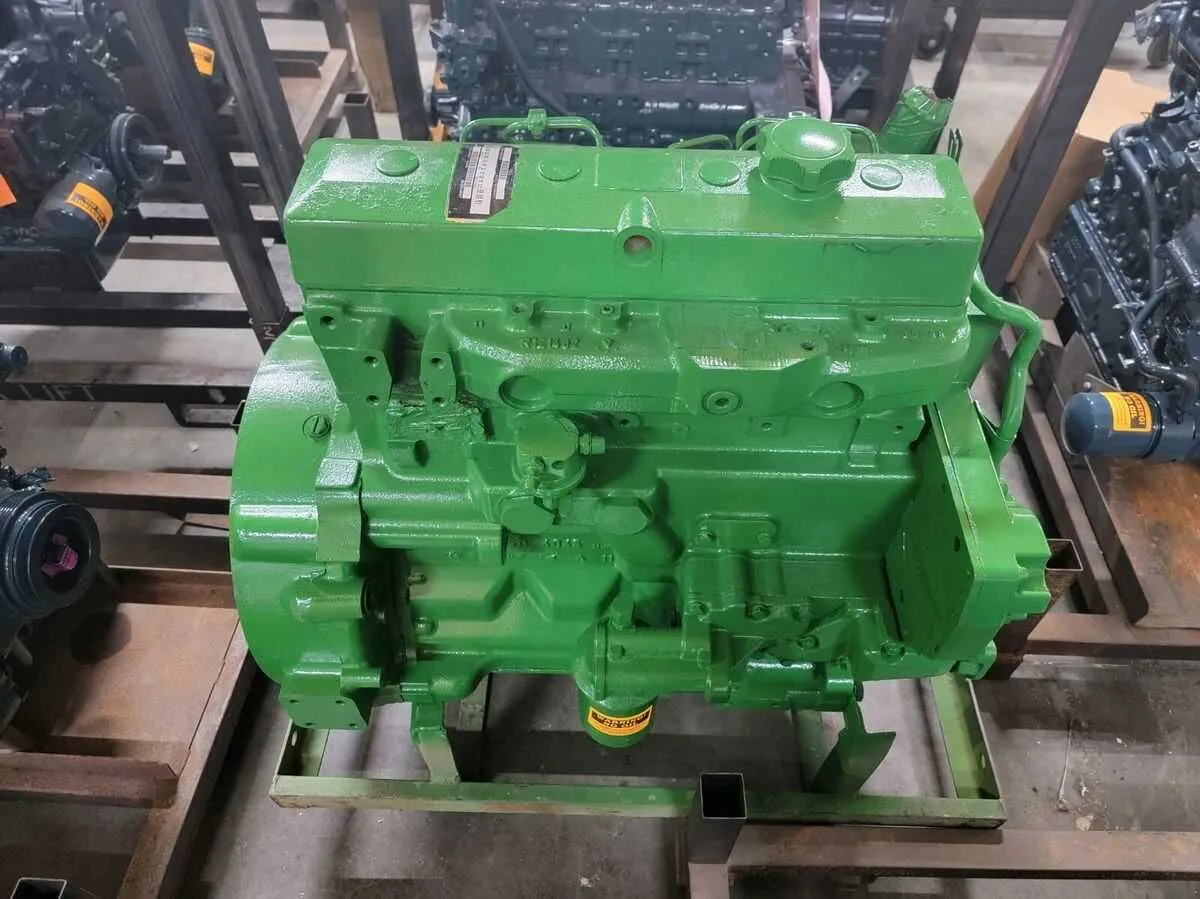
To keep the John Deere 4045 Marine Engine in optimal condition, adhere to the following service intervals. Regular maintenance prevents issues and enhances engine longevity.
Change the engine oil every 250 hours or once a year, whichever comes first. This ensures proper lubrication of internal components and prevents oil degradation.
Inspect the air filter every 500 hours of operation. If it shows signs of dirt or damage, replace it. A clean air filter maintains air flow and optimizes combustion efficiency.
Check the fuel filters every 500 hours. Replace them if clogged or damaged to prevent fuel system issues. Ensure the fuel lines are free of debris and leaks.
Examine the cooling system every 500 hours or annually. Replace the coolant every 2 years to avoid overheating and corrosion within the engine components.
Inspect the turbocharger and intercooler every 1,000 hours. Clean them if necessary to maintain air flow and engine efficiency.
Replace the engine’s belts and hoses every 1,000 hours or when wear is detected. These components are critical for maintaining proper engine function and preventing breakdowns.
Perform a complete engine inspection every 2,000 hours. This should include checking the cylinder head, valves, and exhaust system for wear or cracks.
Always consult the user manual for detailed specifications and adjust maintenance intervals based on operational conditions.