Specifications of Tires for John Deere D140 Lawn Tractor
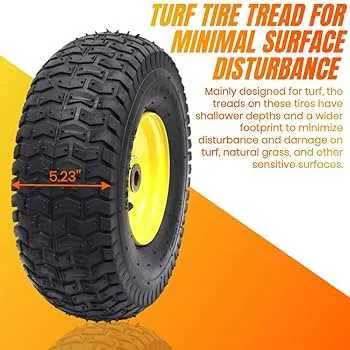
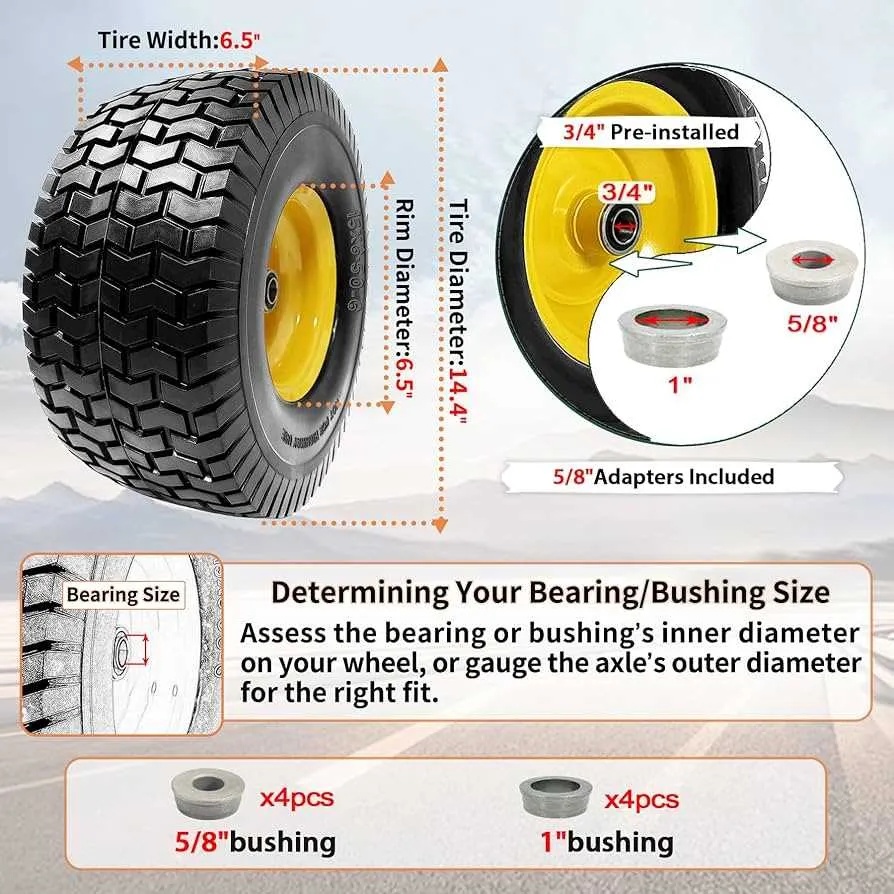
The John Deere D140 utilizes a combination of tires that ensure both durability and smooth performance. The front tires are 15×6.00-6, offering stability and traction for tight turns and varied terrains. These tires are designed to maintain optimal grip, even on wet or uneven ground, making them ideal for everyday mowing and light landscaping tasks.
The rear tires measure 20×8.00-8, providing enhanced support for heavier loads and rougher surfaces. These tires feature a rugged tread pattern, helping to distribute the weight evenly while maintaining solid contact with the ground. This ensures better maneuverability and minimizes the risk of slipping, even on more challenging surfaces.
When replacing tires, it is crucial to select the correct sizes and load ratings to match the machine’s specifications. Using the wrong tire can affect performance, potentially leading to uneven wear or even operational issues. Ensure that the tire brand chosen is compatible with the John Deere D140’s demands for reliable operation and longevity.
John Deere D140 Tire Specifications
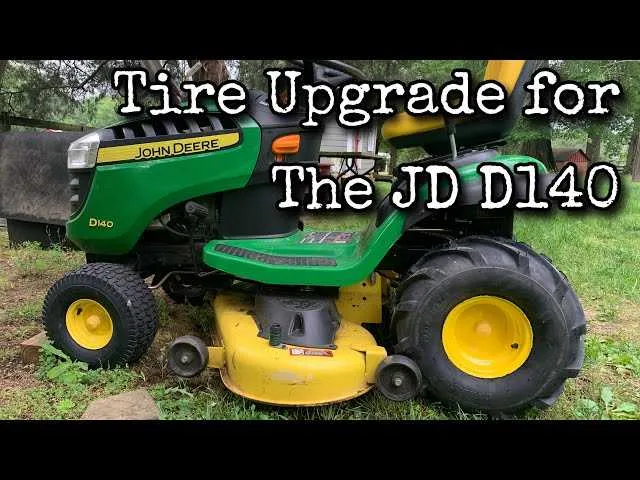
The John Deere D140 uses specific tire sizes to ensure optimal performance and stability. The front tires are typically 15 x 6.00-6, while the rear tires measure 20 x 8.00-8. These dimensions provide a good balance between traction and maneuverability, making it suitable for various lawn care tasks.
The tire tread pattern is designed for turf protection, reducing damage to delicate grass while maintaining a strong grip on uneven surfaces. The front tires feature a ribbed design, ensuring precise steering, while the rear tires offer a wider footprint for better weight distribution and traction on soft ground.
For best results, it’s recommended to check tire pressure regularly. The recommended tire pressure for the front tires is 12 psi, and for the rear tires, it’s 10 psi. Keeping these levels within range ensures proper load-bearing capacity and enhances the longevity of both the tires and the machine itself.
If replacing the tires, ensure compatibility with the original specifications. Opt for tires that match the tread design and size for optimal performance. When storing the mower for extended periods, consider protecting the tires from direct sunlight and extreme temperatures, which can cause degradation over time.
Understanding the Recommended Tire Sizes for John Deere D140
The John Deere D140 lawn tractor requires specific tire sizes for optimal performance. The front tires should be 15×6.00-6, while the rear tires are recommended to be 20×8.00-8. These sizes ensure proper balance, traction, and stability while operating on various terrains.
For the front, the 15×6.00-6 tire size offers a good balance between maneuverability and durability, crucial for tight turns and smooth rides on lawns. Meanwhile, the 20×8.00-8 rear tire size provides increased grip and support for heavier loads, especially when towing or operating on uneven surfaces.
It is important to stick with the recommended tire sizes to maintain the safety and efficiency of the tractor. Using tires that are too large or small can lead to poor handling, uneven wear, or reduced performance in certain conditions. Be sure to check tire pressure regularly to extend their lifespan and maintain optimal performance.
Optimal Tire Pressure and Its Impact on Performance
Maintaining the correct tire pressure ensures maximum performance and longevity for the John Deere D140. The recommended pressure for the front tires is 14 psi, while the rear tires should be set to 10 psi. This optimal pressure allows for better traction, smooth operation, and improved fuel efficiency.
Overinflating or underinflating the tires can cause uneven wear, reduced stability, and compromised handling. Underinflated tires lead to excessive rolling resistance, while overinflation makes the tires more susceptible to damage from bumps and debris.
Proper tire pressure also supports efficient weight distribution, ensuring that the mower operates at peak performance without unnecessary strain on the engine or other components. Regular pressure checks are necessary, especially before and after heavy use, to maintain consistent results.
By sticking to the manufacturer’s recommended tire pressure, operators can expect a more responsive ride, improved traction on various terrains, and a longer lifespan for the tires themselves. It’s a small but significant factor in ensuring the mower delivers reliable service throughout its lifetime.
Choosing the Right Tire Type for Different Terrain
For maximum performance and safety, select tire types based on the specific terrain where you operate. Each surface–be it grass, mud, or gravel–requires a different tread pattern and tire construction. Consider the following options:
- All-Terrain Tires: Designed for a variety of surfaces, these tires offer a balanced performance on dirt, grass, and mild mud conditions. Their tread pattern provides enough grip without sacrificing comfort on harder surfaces.
- Mud Tires: If your work environment includes soft or muddy ground, opt for tires with deep, aggressive treads. These tires are specifically built to clear mud and maintain traction in wet conditions, ensuring better mobility.
- Turf Tires: Ideal for well-maintained lawns or turf, these tires feature a gentle tread pattern that minimizes damage to grass while providing enough grip to navigate hills or gentle inclines.
- Hard Surface Tires: For smooth, paved paths or rough gravel, choose tires with a harder rubber compound and a tighter tread. These provide greater stability and reduced wear on compacted surfaces.
Consider tire pressure adjustments based on the terrain as well. Over-inflation on soft surfaces may reduce traction, while under-inflation on hard surfaces can lead to faster tire wear. Balance is key for optimal performance.