Specifications of John Deere 450 Crawler Dozer
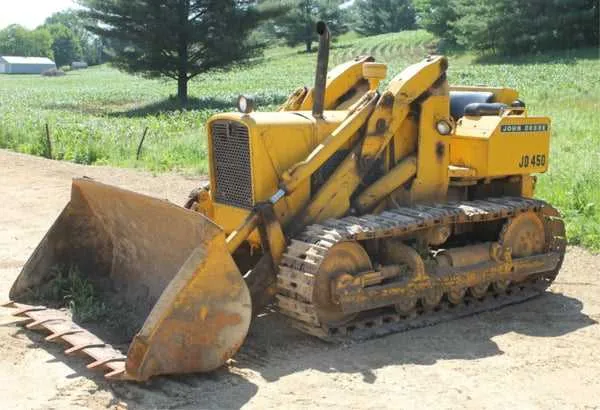
The John Deere 450 Crawler Dozer is designed for heavy-duty applications, providing solid performance across construction, landscaping, and mining sectors. With its reliable engine and robust build, the 450 ensures productivity in the most demanding environments. Key to its success is the powerful 4.5L engine, delivering 74 horsepower. This model’s excellent balance between power and fuel efficiency makes it suitable for a variety of tasks.
For optimal operation, pay attention to its track design. The 450 features durable undercarriage components that contribute to its ability to navigate tough terrains. The dozer’s ground clearance of 13.5 inches enables effective operation in uneven landscapes, reducing the risk of mechanical issues while working in challenging conditions. The operating weight of 14,600 pounds supports its stability and versatility, making it ideal for tasks requiring precision and strength.
The 450’s hydraulic system plays a vital role in ensuring smooth control during operation. Its hydraulic pump capacity of 20.3 GPM (gallons per minute) provides the necessary flow for the blade and other attachments. Operators should ensure regular maintenance of the hydraulic filters to prevent downtime and maintain optimal performance throughout its lifespan.
John Deere 450 Crawler Dozer Specs
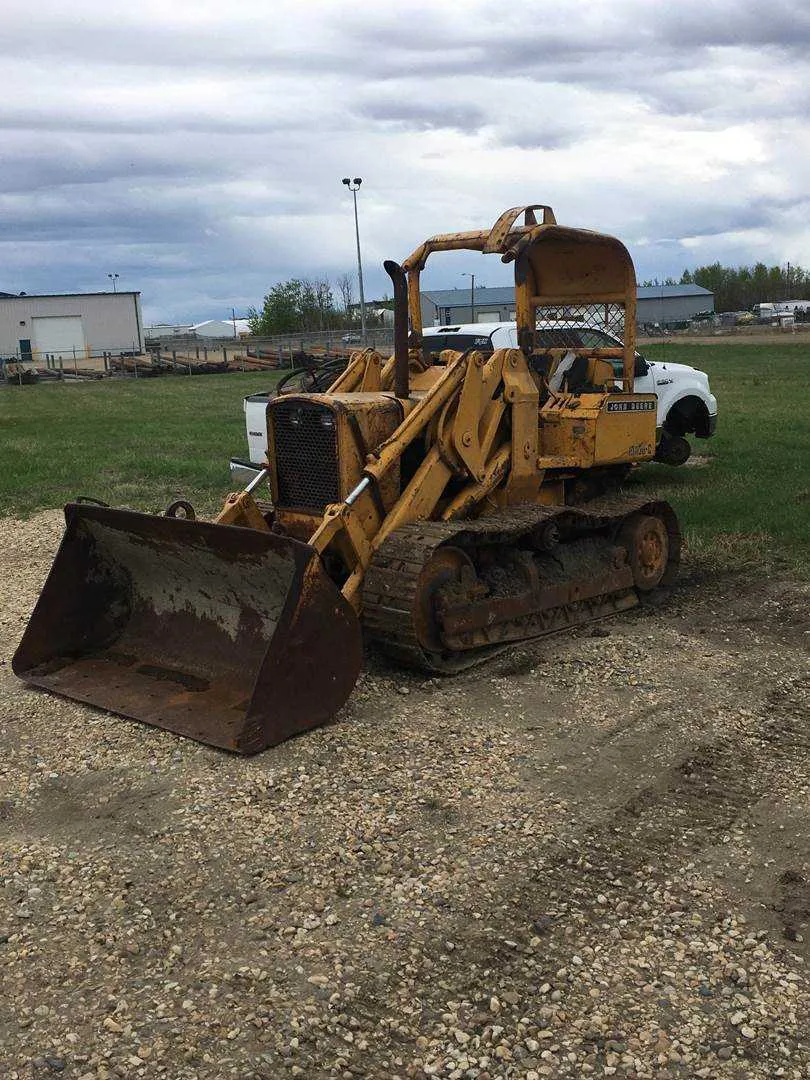
The John Deere 450 Crawler Dozer features a 4.5-liter, 4-cylinder diesel engine, offering a power output of 74 horsepower at 2200 RPM. This dozer provides solid performance for construction and grading tasks, with a weight of around 15,000 pounds, making it versatile for smaller and medium-sized projects.
The undercarriage system uses a wide-track design for better flotation and reduced ground pressure. The track gauge measures 60 inches, while the track width varies between 16 to 18 inches, depending on the model. This setup improves stability on uneven terrain.
Equipped with a six-way blade, the John Deere 450 offers maximum blade lift height of 1,270 mm and blade tilt of 900 mm. The blade width spans 2,440 mm, allowing it to move substantial amounts of dirt or debris in a single pass. The blade angle provides flexibility for precise grading and leveling.
The dozer features a hydrostatic transmission, ensuring smooth and responsive operation. This system includes two-speed ranges, providing both power for tough jobs and speed for transportation. Additionally, the John Deere 450 includes a planetary final drive for durability and better load handling.
The fuel tank capacity is 45 gallons, providing the machine with sufficient run time on extended jobs without frequent refueling. The operating hours and maintenance intervals are easy to track thanks to the onboard monitoring system, which keeps operators informed of necessary service points.
Engine Specifications and Performance
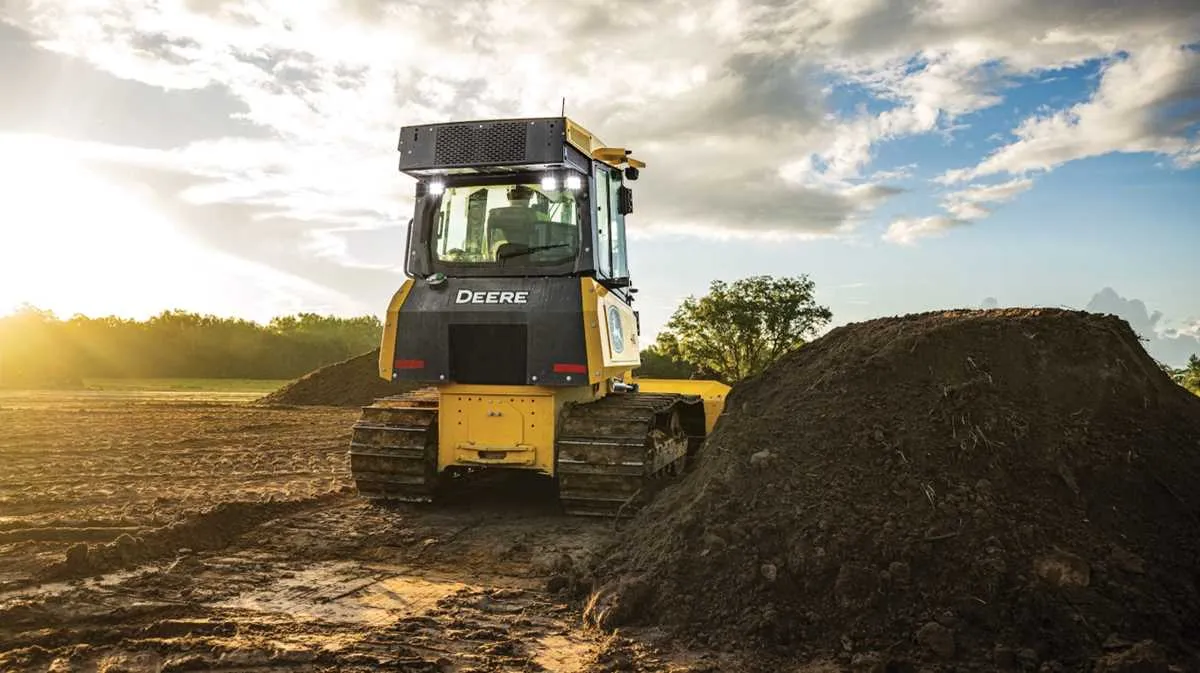
The John Deere 450 Crawler Dozer is equipped with a robust engine designed for heavy-duty tasks. Powered by a 4.5L, 4-cylinder turbocharged diesel engine, it delivers a rated output of 85 horsepower. This engine provides ample power for various excavation and dozing operations, ensuring efficient performance in diverse environments.
The engine’s maximum torque reaches 320 lb-ft at 1,400 RPM, offering strong pulling power for demanding tasks like soil moving and grading. The dozer is also designed for fuel efficiency, helping operators reduce operational costs while maintaining high productivity levels.
With a 4-speed transmission, the John Deere 450 allows for smooth gear shifts and optimal control. This feature, combined with the engine’s power, enables the dozer to handle steep gradients and rough terrains effectively.
For improved engine longevity, regular maintenance such as oil changes and air filter replacements is essential. Ensuring the engine runs at peak performance will also help extend its operational life and minimize costly repairs.
Hydraulic System and Operating Capacity

The John Deere 450 Crawler Dozer is equipped with a powerful hydraulic system that ensures maximum performance under demanding conditions. The system includes a gear-type pump and a piston pump, providing the necessary flow and pressure for effective blade and attachment operation.
The hydraulic system operates at a maximum pressure of 2,500 psi, ensuring optimal lifting, pushing, and digging power. The dozer’s hydraulic oil reservoir has a capacity of 19.5 gallons, supporting longer operational periods between oil changes and enhancing overall efficiency.
Operating capacity is significantly influenced by the hydraulic system’s performance. The 450 model can lift up to 6,500 pounds at full extension, making it ideal for heavy-duty tasks. The hydraulic circuit allows for smooth control, providing precise movements of the blade and other attachments.
For optimal performance, regular maintenance of the hydraulic system is recommended. This includes checking the oil level, replacing filters, and ensuring there are no leaks in the lines. Additionally, operators should be mindful of the system’s cooling needs to prevent overheating during extended operations.
- Hydraulic pump type: Gear and piston combination
- Maximum hydraulic pressure: 2,500 psi
- Hydraulic oil capacity: 19.5 gallons
- Lifting capacity: 6,500 pounds at full extension
Maintenance and Service Requirements
To keep the John Deere 450 Crawler Dozer running smoothly, regular maintenance is key. Begin by checking fluid levels at least once a day, including engine oil, hydraulic oil, and coolant. Make sure all filters are clean and replaced according to the manufacturer’s recommendations. For air filters, inspect them every 100 operating hours and replace them if they show signs of wear or clogging.
Inspect the undercarriage regularly for signs of wear. Pay special attention to the tracks, rollers, and sprockets. Properly lubricate the track rollers and adjust the tension every 250 hours to avoid uneven wear. If you notice excessive slack, tightening the track is necessary. A misaligned or overly tight track can cause costly damage to the drive system.
The cooling system should be cleaned after every 500 hours of use. Ensure the radiator and cooling fins are free from dirt and debris to prevent overheating. Checking the battery and electrical connections is another important step; corrosion on terminals can lead to power loss or failure. Tighten any loose connections and inspect cables for wear or damage.
Inspect the hydraulic system regularly for leaks or signs of damage. Clean the hydraulic oil filter every 500 hours and replace it if necessary. If you notice a decrease in lift capacity or slow movement, check the hydraulic fluid level and replace it as per the user manual guidelines.
Grease all moving parts at least once a day, including pins, bushings, and joints. This helps prevent wear and keeps components operating smoothly. Monitor the engine’s performance during operation. If you notice unusual sounds or decreased power, it could indicate a mechanical issue requiring immediate attention. Check exhaust and intake systems for any obstructions that could affect engine efficiency.
Follow the recommended maintenance intervals provided in the operator’s manual for additional tasks such as oil changes, fuel system checks, and transmission inspections. Performing these tasks ensures long-term durability and prevents costly repairs down the line.