John Deere Hydraulic Fluid Specifications and Compatibility Guide
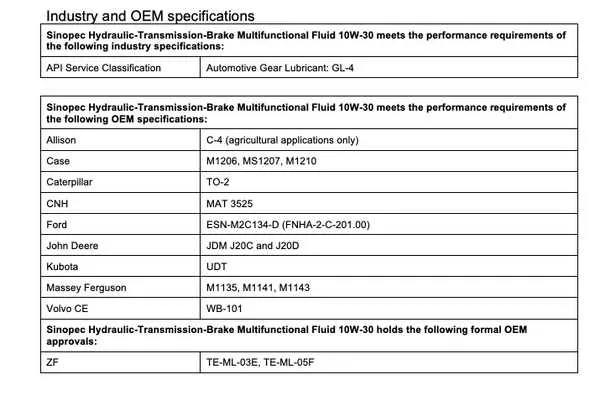
John Deere hydraulic fluid plays a critical role in the performance of your machinery. Always use the recommended fluid type to avoid potential system failures. The hydraulic fluid should meet the specifications outlined in the operator’s manual to ensure compatibility with the hydraulic components of your equipment.
For most models, John Deere recommends their branded hydraulic fluid, but in certain cases, other fluids meeting the required viscosity and additives can be used. When selecting hydraulic fluid, always check for the correct ISO viscosity grade and ensure it matches the climate conditions in which your equipment operates. For example, in colder environments, a thinner fluid may be necessary to maintain system efficiency.
Regular fluid checks are vital for maintaining optimal performance. Pay attention to fluid levels, color, and clarity. If the fluid appears dark or contaminated, it’s time for a change. Additionally, monitor the system for unusual noises or poor hydraulic performance, as these may indicate issues with the fluid’s condition or compatibility.
John Deere Hydraulic Fluid Specifications
John Deere hydraulic fluid meets strict performance standards, ensuring the proper operation of hydraulic systems in various equipment. The primary fluid used is John Deere Hy-Gard, which is specifically designed for the brand’s machines. It provides superior anti-wear protection and is ideal for high-pressure hydraulic systems.
The fluid’s viscosity is crucial for maintaining optimal performance. John Deere Hy-Gard has a viscosity grade of 10W-30, ensuring it functions well in a wide range of temperatures. It is formulated to operate effectively in temperatures ranging from -20°F to 86°F (-29°C to 30°C). When operating in extreme cold or hot conditions, consider using an alternative fluid that better suits those environmental conditions.
Another key specification is the fluid’s ability to resist oxidation. John Deere hydraulic fluid contains stabilizers that prevent the fluid from breaking down over time, even under heavy usage. This helps maintain system efficiency and prevents the buildup of sludge and varnish that can damage sensitive components.
For maximum performance, it is important to change the hydraulic fluid at regular intervals. John Deere recommends changing the hydraulic fluid every 500 hours of operation, or sooner if you notice a drop in performance. Regular maintenance of the fluid ensures the longevity and reliability of the hydraulic system.
Always verify that you are using the correct fluid for your specific John Deere equipment model. Incorrect fluid can lead to system failure and costly repairs. If you’re unsure, consult the operator’s manual or contact a John Deere dealer for guidance on fluid compatibility and maintenance practices.
Types of Hydraulic Fluids Used in John Deere Equipment
John Deere equipment relies on specific hydraulic fluids to ensure optimal performance and longevity. Two primary types of hydraulic fluids are commonly used: Hy-Gard and J20D.
Hy-Gard is the most widely used hydraulic fluid in John Deere tractors, mowers, and other equipment. It provides superior protection against wear, corrosion, and rust. Hy-Gard is formulated to maintain its viscosity across a wide temperature range, ensuring reliable operation in both hot and cold climates.
J20D is another hydraulic fluid designed for John Deere machinery, specifically for use in hydrostatic transmissions and some other transmission systems. It is known for its low-foam characteristics, ensuring smooth operation under varying conditions and preventing cavitation in the hydraulic system.
It’s important to select the right type of hydraulic fluid based on the model of the equipment. Always check the operator’s manual for specific fluid requirements to avoid damaging the hydraulic system.
Both fluids are engineered to meet high standards, ensuring John Deere equipment runs efficiently under demanding conditions, improving durability and performance over time.
Hydraulic Fluid Viscosity Requirements for Optimal Performance
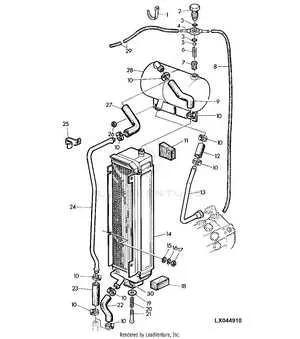
For optimal performance of John Deere hydraulic systems, it is critical to select the appropriate fluid viscosity. Viscosity directly affects pump efficiency, lubrication, and overall system functionality. Choose hydraulic fluid with a viscosity index (VI) that aligns with the operating temperature range of the equipment. Typically, John Deere recommends oils with a viscosity of ISO 46 or ISO 68 for most applications.
The viscosity should be selected based on the expected operating temperature. In cold conditions, a fluid with lower viscosity, such as ISO 32, ensures easier flow and quick startup. In warmer temperatures, higher viscosity fluids, like ISO 68, offer better protection against wear and maintain system pressure effectively.
Ensure the fluid’s viscosity does not fall outside the recommended range, as low viscosity can result in poor lubrication and high wear, while excessive viscosity may cause pressure drops, leading to reduced system performance.
Check the manufacturer’s guidelines to determine the specific viscosity grade suitable for your model, taking into account seasonal changes in temperature and operating conditions.
How to Properly Maintain and Change Hydraulic Fluid in John Deere Machines
To ensure the longevity and smooth operation of your John Deere machine, regularly changing the hydraulic fluid is a must. Follow these steps for proper maintenance:
- Check Fluid Levels: Before beginning any maintenance, check the hydraulic fluid level. Low fluid levels can cause overheating and damage. Refer to the operator’s manual for the correct fluid type and level markings.
- Prepare the Machine: Park the machine on level ground and ensure it is powered off. Allow the hydraulic system to cool down to prevent burns during maintenance.
- Drain the Old Fluid: Locate the drain plug on the hydraulic reservoir. Place a container beneath the drain plug to catch the old fluid. Remove the plug and let the fluid drain completely.
- Inspect the Filter: Remove the hydraulic filter and inspect it for signs of wear or contamination. Replace the filter if it appears damaged or clogged.
- Refill with New Fluid: Fill the system with the appropriate John Deere hydraulic fluid. Ensure that the fluid meets the specifications outlined in your machine’s manual. Use a clean funnel to avoid contaminating the system.
- Bleed the System: After refilling, operate the hydraulic controls to remove air pockets from the system. This ensures proper fluid circulation and optimal performance.
- Check Fluid Level Again: After running the system, turn off the machine and check the fluid level once more. Add more fluid if necessary.
- Dispose of Old Fluid: Dispose of the used hydraulic fluid properly at a certified disposal facility to prevent environmental contamination.
Follow these steps every 500 hours of operation or as recommended by the manufacturer to maintain the efficiency and reliability of your hydraulic system.