Detailed Specifications of the John Deere 544 Wheel Loader
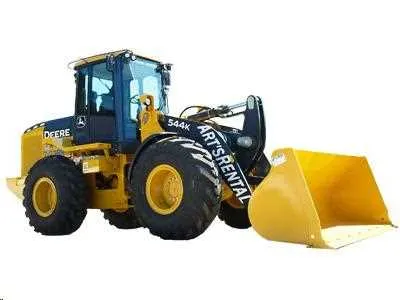
The John Deere 544 wheel loader stands out for its powerful engine and robust build, offering operators enhanced productivity on demanding tasks. With a 4.5L engine, it delivers 120 hp, ensuring high performance in construction and material handling environments. This machine is designed for durability, featuring reinforced structural components that can handle heavy loads with ease.
With a bucket capacity of up to 2.5 cubic yards, the 544 loader can efficiently move large volumes of material. Its maximum lift height of 3.5 meters and breakout force of 10,500 lbs provide the necessary strength for handling tough jobs. The loader’s advanced hydraulics system ensures precise control over lifting and digging operations, improving both speed and accuracy in handling diverse materials.
When it comes to fuel efficiency, the 544 John Deere excels. The machine’s fuel-efficient engine maximizes operational hours while minimizing downtime for refueling. This loader also features a user-friendly operator station, enhancing comfort and reducing operator fatigue during long shifts. Whether you’re working on a construction site or in a mining operation, the John Deere 544 offers a reliable and efficient solution for your loading and material handling needs.
544 John Deere Wheel Loader Specs
The 544 John Deere Wheel Loader offers powerful performance for a range of construction and agricultural tasks. It is engineered to handle tough workloads with ease while delivering solid fuel efficiency and comfort. Here are the key specifications:
- Engine: 6.8L, 6-cylinder turbocharged diesel engine, providing 155 horsepower.
- Operating Weight: 17,800 lbs (8,065 kg), providing stability and robust lifting capabilities.
- Lift Capacity: 9,000 lbs (4,082 kg) at full height, making it ideal for lifting heavy loads.
- Bucket Capacity: 2.5 to 3.0 cubic yards, suited for a variety of applications.
- Transmission: Powershift transmission with 4 forward and 3 reverse gears for smooth operation and optimal control.
- Max Speed: 22 mph (35 km/h), providing fast transport speeds without compromising safety.
- Hydraulic System: Closed-center load sensing hydraulic system, ensuring quick and efficient lifting and dumping.
- Max Dump Height: 10.4 ft (3.16 m) for enhanced loading and unloading capability.
- Turning Radius: 18.2 ft (5.54 m), giving operators excellent maneuverability on job sites.
This loader’s combination of strong performance, fuel efficiency, and handling makes it a versatile choice for operations where durability is crucial.
Engine Performance and Power Output of the 544 John Deere Loader
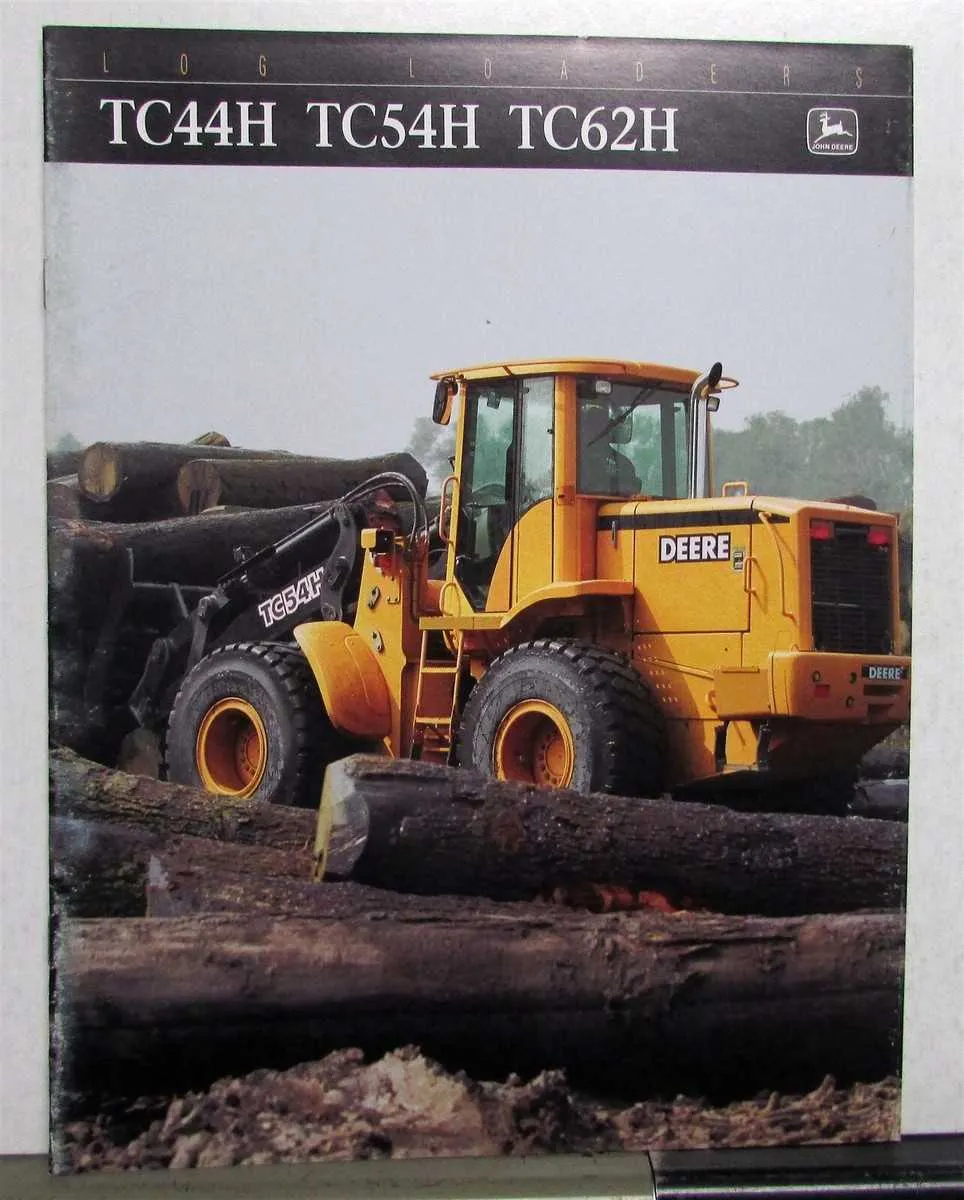
The 544 John Deere Wheel Loader is powered by a robust Stage IV/Tier 4 Final engine delivering 173 horsepower (129 kW) at 2,200 RPM. This power enables the loader to perform heavy-duty tasks, such as material handling and lifting, with ease.
The engine uses diesel fuel and incorporates advanced exhaust aftertreatment technology to meet environmental standards while maintaining excellent fuel efficiency. The engine torque peaks at 520 lb-ft (706 Nm), providing the necessary force to handle challenging conditions without compromising on productivity.
Equipped with a 4.5-liter engine displacement, the 544 loader ensures smooth operation under load, making it ideal for a wide range of construction and industrial applications. With its variable geometry turbocharger and high-pressure common rail fuel system, the engine offers responsive acceleration and smooth power delivery, optimizing performance across various working conditions.
Its cooling system has been designed to handle high temperatures, ensuring that the engine maintains peak performance throughout long working hours. The fuel consumption is optimized through an intelligent engine management system, making the 544 loader a cost-effective choice for large-scale operations.
For operators, the loader’s hydraulic system complements the engine’s power, providing enhanced lifting capacity and control. This synergy between engine and hydraulics allows for precision when handling materials, ensuring better performance and less downtime in demanding tasks.
Hydraulic System and Lifting Capacity of the 544 John Deere Loader
The hydraulic system of the 544 John Deere Loader delivers a maximum pressure of 3,450 psi, ensuring robust performance even in tough conditions. It features a load-sensing system that optimizes flow and pressure for better fuel efficiency and faster response times. The hydraulic pump offers a flow rate of 38.5 gallons per minute (GPM), allowing quick attachment operation and high-performance lifting.
The loader’s lifting capacity is impressive, with a maximum lift height of 10.3 feet and a breakout force of 13,400 pounds. This enables the 544 to handle heavy materials with ease, making it ideal for both construction and material handling applications. The lift arm geometry ensures excellent load retention and smooth lifting motions. It also provides a maximum lift capacity of 11,000 pounds at full height, which contributes to its ability to handle a wide variety of tasks.
In addition, the loader’s parallel lift design maintains a consistent angle of the bucket, improving stability and load control during operation. Whether lifting pallets, rocks, or other heavy objects, the 544 John Deere Loader ensures efficiency and precision, reducing the need for manual adjustments and allowing operators to focus on the task at hand.
Maintenance Requirements and Service Intervals for the 544 John Deere Loader
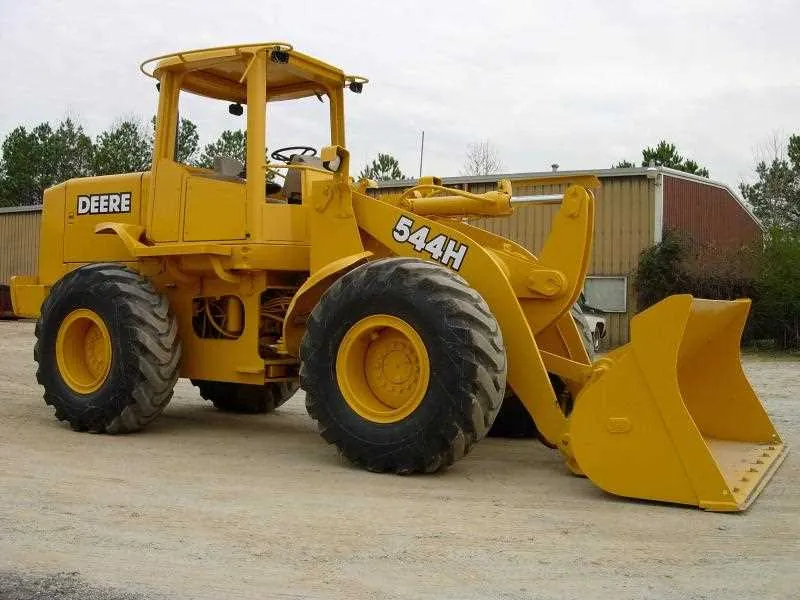
The 544 John Deere wheel loader requires regular service to ensure maximum performance and longevity. The maintenance intervals are designed to keep the machine running smoothly under various work conditions.
Engine Oil and Filter Change: Change the engine oil and filter every 250 hours of operation or at least once every 6 months. Use John Deere’s recommended oil type to maintain optimal engine health. Ensure that the oil level is checked daily before operation.
Hydraulic System Maintenance: Check the hydraulic fluid every 500 hours of operation. Replace the hydraulic filter every 1,000 hours or after 2,000 hours for heavy-duty use. Clean or replace the hydraulic oil as required to avoid contamination that could impair hydraulic performance.
Air Filter Replacement: Inspect the air filter every 250 hours or after every 2,000 miles of operation. Replace the air filter when it shows signs of excessive dust buildup or damage. Clean the air filter if it appears to be clogged but replace it if cleaning doesn’t restore proper airflow.
Fuel Filter Maintenance: Change the fuel filter at least every 500 hours of operation or sooner if you notice a decline in engine performance. Contaminated fuel can significantly affect fuel efficiency and overall performance.
Transmission and Differential Fluid: Inspect the transmission fluid level regularly. Change the fluid every 1,000 hours or as per specific working conditions, such as heavy loading. Differential fluid should also be replaced every 1,000 hours to prevent premature wear.
Cooling System Check: Ensure that the radiator, coolant, and hoses are in good condition. Replace the coolant every 1,000 hours or annually to prevent overheating and corrosion inside the system.
Brake System Service: Inspect brake components, including the pads, rotors, and fluid, at 500-hour intervals. Brake linings should be checked for wear, and hydraulic brake fluid should be topped off regularly to ensure proper stopping power.
Tire Inspection and Maintenance: Check tire pressure and tread wear every 100 hours. Under-inflated tires can lead to excessive wear and reduced fuel efficiency. Rotate tires at regular intervals to ensure even wear.
General Maintenance: Inspect all belts, hoses, and fittings for signs of wear or leaks. Lubricate the loader at regular intervals to keep the moving parts functioning properly. Follow John Deere’s service manual for specific lubrication schedules.
Maintaining a consistent service schedule will keep the 544 John Deere loader performing at its best, reducing downtime and extending the life of critical components.