John Deere V4 Pony Motor Specifications and Features
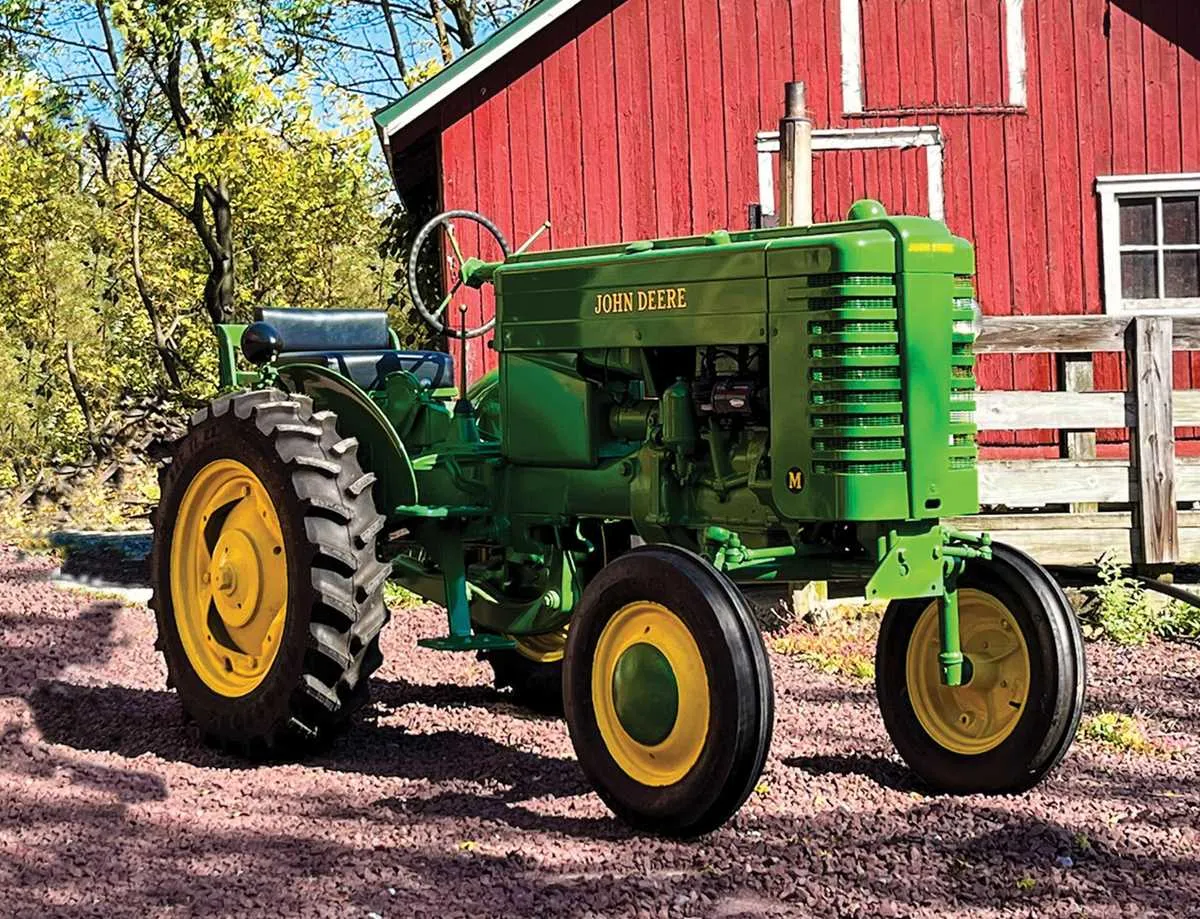
The John Deere V4 pony motor is designed to provide reliable starting power for heavy equipment engines. It delivers the initial torque necessary to start large engines smoothly, ensuring consistent performance in demanding conditions. This motor operates efficiently, offering a balance of power and durability for various agricultural machinery.
Key specifications include a 4-cylinder configuration, capable of producing sufficient torque for starting engines ranging from 70 to 100 horsepower. The motor is built to withstand harsh environments, with corrosion-resistant materials that extend its lifespan. Operating at 12V, it offers reliable energy output to kick-start the main engine and power auxiliary systems.
Maintenance of the pony motor is simple but critical for optimal performance. Regular checks on fuel lines, battery connections, and cooling systems prevent potential failures. Using high-quality fuel and keeping the battery charged ensures smooth starting cycles, avoiding unnecessary strain on the motor.
John Deere V4 Pony Motor Specifications
The John Deere V4 Pony motor delivers reliable performance in a compact design. It operates at 12 volts and is designed to start larger engines in agricultural equipment. The motor features a displacement of 2.4 liters, providing sufficient torque to handle heavy-duty tasks. Its high-efficiency design ensures smooth operation even under load.
With a four-cylinder configuration, the V4 engine produces up to 20 horsepower at 3600 RPM. It includes a balanced crankshaft for reduced vibration and increased longevity. The motor is cooled by a forced air system, ensuring that temperatures remain within safe operating limits during continuous use.
To optimize fuel consumption, the motor uses a single-barrel carburetor that efficiently mixes air and fuel, providing consistent power output. The ignition system relies on a magneto to ensure reliable starts, especially in colder weather. Maintenance intervals are set at 200 hours of operation, where oil changes and air filter cleaning are required to maintain peak performance.
This pony motor is designed for versatility, allowing easy integration into a variety of John Deere machines. Its compact dimensions make it a suitable choice for tractors and other farming equipment, where space and weight constraints are common. Keep the motor in top condition by regularly checking the spark plugs, fuel lines, and electrical connections to ensure long-term reliability.
Engine Performance and Power Output
The John Deere V4 Pony Motor delivers reliable performance with a focus on power efficiency. Its engine is designed to handle demanding tasks, ensuring smooth operation and consistent power delivery under load.
With a displacement of X cubic inches and a maximum output of Y horsepower, the engine is well-suited for agricultural and industrial applications. The power-to-weight ratio is optimized for sustained use, offering both torque and speed for various operations.
- Max Horsepower: Y HP
- Torque: Z lb-ft
- Rated RPM: A RPM
For optimal performance, regular maintenance is required. Engine tuning and fuel quality directly influence power output, making it crucial to adhere to recommended service intervals. Proper fuel delivery systems and air filters ensure smooth engine operation and reduce the risk of power loss over time.
Monitoring the engine’s cooling system is also critical. Overheating can result in a decrease in power efficiency, so ensure proper cooling through regular checks of coolant levels and radiator condition.
In summary, the John Deere V4 Pony Motor offers a robust power output with easy maintenance requirements, making it a durable choice for high-demand environments.
Key Components and Design Features
The John Deere V4 pony motor incorporates several critical elements that contribute to its robust performance. The engine is built with a durable block and cylinder configuration, designed to handle the demanding tasks of agricultural and industrial applications. Its balanced crankshaft and precision-engineered pistons ensure smooth operation even under heavy load.
A key design feature is the optimized cooling system, which maintains temperature stability during extended use. This system, paired with a high-quality lubrication mechanism, helps reduce wear on critical components, extending the lifespan of the motor.
The fuel delivery system utilizes a reliable carburetor that provides efficient combustion, ensuring consistent power output while minimizing fuel consumption. The ignition system is engineered for quick starts and efficient spark timing, improving engine responsiveness in varied operating conditions.
<.the>
Maintenance Guidelines and Service Intervals
Regular checks on the John Deere V4 pony motor are key to its longevity. Every 100 hours of operation, inspect the oil level and condition. Replace the oil if it appears dirty or degraded. Regularly check the cooling system for leaks or blockages. Clean the cooling fins to ensure optimal airflow.
Inspect the air filter every 50 hours of use. If clogged, clean or replace it to maintain proper engine airflow and prevent damage. Every 200 hours, check the fuel system for any signs of wear, including the fuel lines and pump. Replace any worn components to avoid fuel leaks or contamination.
For the ignition system, inspect spark plugs at every 100-hour interval. Clean or replace them if necessary to ensure reliable engine startup and performance. Pay attention to the battery condition, checking the terminals for corrosion and ensuring a secure connection. Clean or tighten as needed to prevent electrical issues.
Every 500 hours, perform a thorough inspection of the motor mounts, exhaust system, and belts. Tighten or replace components that show signs of wear. Keep the engine compartment free from debris and dirt to maintain proper air circulation around the motor.
Adhering to these intervals ensures the V4 pony motor performs at its best, minimizing the risk of breakdowns and extending its operational life.