2014 John Deere S670 Combine Harvester Specifications and Features
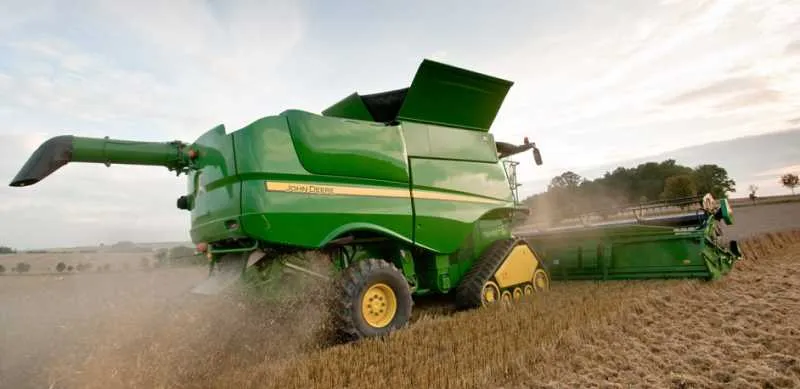
The 2014 John Deere S670 combines power and efficiency, making it a solid choice for large-scale farming operations. With a 9.0-liter 6-cylinder engine, it offers 330 horsepower, which is more than enough to tackle various harvesting tasks. If you need a machine that can handle tough conditions, the S670’s Intelligent Power Management (IPM) delivers the extra boost when needed, optimizing performance under heavy load.
Equipped with a 12,000-bushel-per-hour unloading rate, the S670 ensures quicker turnaround times in the field, maximizing productivity. The 400-bushel grain tank provides ample storage, reducing the need for frequent unloading, and the AutoTrac™ system allows for seamless guidance, helping to reduce overlap and waste. This model stands out for its user-friendly controls and automated features, improving operator efficiency throughout the day.
The S670 is also designed with durability in mind. The heavy-duty components, including a robust header and reinforced frame, ensure the machine can withstand the rigors of extended use in challenging environments. With an adjustable residue management system, it provides excellent crop residue handling, which helps preserve soil health for future planting seasons.
2014 John Deere S670 Specs
The 2014 John Deere S670 is equipped with a powerful 9.0L PowerTech PSX 6-cylinder engine, delivering 390 horsepower for efficient and reliable operation during harvesting tasks.
Key specifications include:
- Engine Power: 390 hp
- Engine Type: 9.0L PowerTech PSX 6-cylinder
- Fuel Tank Capacity: 355 liters
- Grain Tank Capacity: 12,500 liters
- Unloading Rate: 120 liters per second
- Separator Width: 2.3 meters
- Rear Axle: 4WD, with a maximum operating speed of 40 km/h
This combine harvester is designed to handle a variety of crops with ease, offering excellent fuel efficiency while maintaining high productivity. The grain tank and unloading system ensure quick and smooth harvesting, especially for large-scale operations.
For better efficiency and comfort, the S670 also includes the CommandCenter display, giving operators real-time control over key functions like engine performance, grain loss, and harvesting speed. The AutoTrac guidance system further enhances accuracy and reduces operator fatigue, making it ideal for long working hours.
Engine Performance and Power Output
The 2014 John Deere S670 is powered by a 9.0L, 6-cylinder PowerTech PSX diesel engine, delivering a maximum output of 390 horsepower. This engine is paired with a variable-speed fan, improving efficiency and ensuring consistent airflow for the cooling system during demanding tasks.
With a maximum torque of 1,600 Nm at 1,300 RPM, the engine provides excellent low-end power, ensuring smooth operation even in challenging conditions. The powertrain’s design optimizes fuel efficiency while maintaining high performance under heavy loads.
The S670’s engine is integrated with the eHydro transmission system, allowing for seamless power delivery to the drive wheels. This system ensures precise control of the combine’s movement and harvesting capacity, with minimal loss of power to the ground.
Overall, the engine’s output, paired with John Deere’s advanced technology, makes the S670 well-suited for both high-efficiency harvesting and fuel economy. It strikes a balance between power and operational cost, making it a reliable choice for large-scale farming operations.
Harvesting Capacity and Grain Handling
The John Deere S670 is designed for high-efficiency grain handling with a large 330-bushel grain tank capacity, allowing extended operation without frequent unloading. The grain tank’s large volume ensures that operators can harvest more acres before stopping to empty the tank.
Its 12.5-foot unloading auger delivers a high unloading rate of up to 3.3 bushels per second. This means faster unloading times, minimizing downtime between loads and allowing more productivity throughout the day.
The combine’s grain handling system also includes a premium cleaning system with advanced separation technology, ensuring clean and high-quality output. Its high-efficiency threshing and cleaning features, combined with the large grain tank and efficient unloading system, make the S670 well-suited for large-scale operations.
Additionally, the adjustable rotor speed and concave settings help optimize grain separation and reduce damage to the kernels, ensuring minimal loss during harvest. The S670’s robust grain handling system, combined with its harvesting capacity, ensures that operators can maximize productivity and reduce harvest time during peak seasons.
Maintenance and Service Requirements
Regular oil changes are critical for keeping the John Deere S670 operating smoothly. Replace the engine oil every 250 hours of use or annually, whichever comes first. Use John Deere Plus-50 II 15W-40 oil for optimal performance.
Check and replace the fuel filter at least every 500 hours. If you are operating in dusty or harsh conditions, consider replacing the filter more frequently to prevent engine damage.
Inspect the air filters regularly. Clean or replace the pre-cleaner every 100 hours and the primary filter every 500 hours. In areas with high dust levels, consider doing this more often.
Grease the machine at the recommended points after every 10 hours of operation. This ensures the moving parts, such as the auger and rotor system, remain well-lubricated and function properly.
The cooling system must be checked regularly. Flush the radiator and clean the screen to avoid overheating. Check the coolant levels and replace it every 1,000 hours or two years, whichever comes first.
Inspect the tires for wear every 200 hours. Adjust the tire pressures according to the manufacturer’s specifications to ensure proper traction and fuel efficiency.
Regularly monitor the combine’s hydraulic system for leaks and fluid levels. Change the hydraulic fluid every 1,000 hours to maintain optimal function.
Service the transmission filter and oil every 500 hours. This helps maintain the smooth shifting and long life of the transmission system.
Perform thorough inspections of the combine after the harvesting season, focusing on the rotor, separator, and belts. Replace worn components to prevent more costly repairs later.