John Deere 3025E Tractor Specifications and Key Features
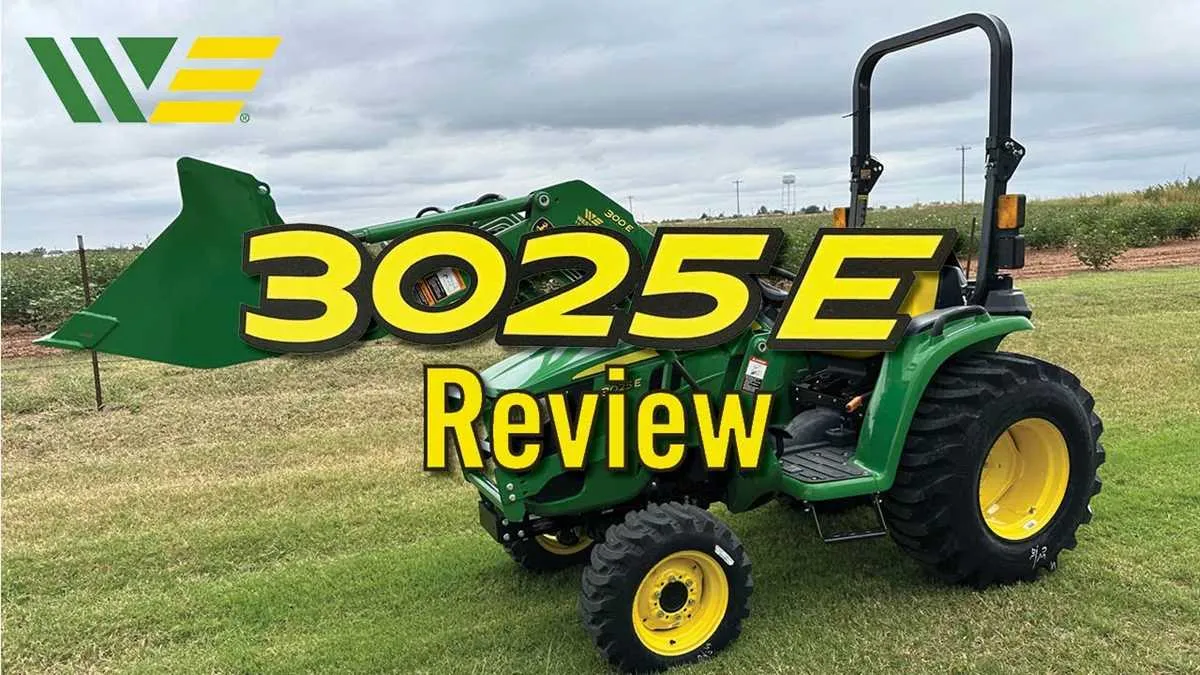
The John Deere 3025E is built for versatility and performance, designed for both small and medium-sized tasks. With its 25 horsepower engine, it provides the right balance of power for various farming and landscaping operations. The compact size of this tractor makes it ideal for working in tight spaces, while its 4WD system ensures traction on uneven terrains.
The 3025E features a hydrostatic transmission, offering easy and responsive control, especially for users who prefer seamless speed adjustments without the need for gear shifting. The PTO system is capable of powering a variety of attachments, expanding the tractor’s usability for mowing, tilling, and more.
The 3-point hitch provides a lifting capacity of 1,134 lbs, which supports a wide range of implements, from plows to cultivators. Its durable frame and simple design make it an excellent choice for users looking for reliability and ease of maintenance. Whether you’re handling tasks around the farm or yard, this tractor is engineered to perform efficiently for extended periods.
John Deere 3025E Tractor Specifications
The John Deere 3025E is a versatile compact tractor designed to handle a variety of tasks with precision. Its 25-horsepower engine, powered by a 3-cylinder Yanmar diesel engine, delivers the reliability and performance required for farm, garden, and light construction work. With a displacement of 1.6L, it provides strong torque and fuel efficiency.
Equipped with a hydrostatic transmission, the 3025E allows easy and smooth control for operators of all experience levels. The transmission offers two ranges, ensuring the tractor can efficiently handle both light and heavy-duty tasks. The maximum forward speed is 19.7 mph, ideal for moving between work sites with minimal effort.
The 3025E also features a 4WD system, improving traction and stability on uneven or slippery surfaces. This feature enhances its ability to handle challenging terrain, such as wet soil or hilly landscapes. The rear 3-point hitch allows for precise attachment control, making it suitable for various implements, including mowers, tillers, and plows.
For operator comfort, the John Deere 3025E is designed with a spacious operator station that includes an adjustable seat, ergonomically positioned controls, and easy access to all key functions. It is also equipped with a 6.6-gallon fuel tank that ensures long hours of operation without frequent refueling.
The hydraulic system provides a maximum pump capacity of 4.8 gallons per minute, facilitating the use of a wide range of implements and accessories. This enhances the tractor’s ability to lift and move heavier loads with ease.
Maintenance of the 3025E is simple, with easy access to the engine and critical components. The tractor is designed for long-lasting durability, with a reliable structure that minimizes wear over time. Routine checks, like oil changes and filter replacements, are straightforward, ensuring the machine stays in top condition.
Engine Power and Performance of the John Deere 3025E
The John Deere 3025E is equipped with a 3-cylinder, 1.8L diesel engine, providing 24.7 horsepower at 3,000 RPM. This engine delivers enough power to handle various tasks like mowing, tilling, and light hauling with ease.
With its liquid-cooled design, the engine ensures optimal temperature regulation even during long hours of operation. This helps maintain consistent performance while minimizing the risk of overheating. The engine’s torque of 51.5 Nm at 1,800 RPM ensures solid pulling power for heavy-duty applications like plowing and transporting materials.
The 3025E’s engine also features an efficient fuel system, which ensures better fuel economy and longer intervals between refueling, helping you save time and money on the job. Its fuel tank capacity of 13.5 liters allows for extended work sessions before needing to stop and refill.
Whether you’re working on small-acreage farming or maintaining larger plots, the John Deere 3025E offers a dependable engine that balances power and fuel efficiency. Its easy-to-maintain design ensures that routine service and repairs are manageable, ensuring the tractor’s longevity and optimal performance.
Transmission and Drive System Features in the John Deere 3025E
The John Deere 3025E is equipped with a Hydrostatic Transmission (HST), designed to provide smooth, stepless control over speed and direction. This transmission system simplifies operation, especially for tasks that require frequent direction changes, such as mowing or loading. The pedal-operated HST lets the operator control both forward and reverse motion seamlessly without the need for shifting gears.
The 3025E offers two ranges: low and high. This feature allows the operator to select the optimal range based on the task at hand, ensuring better control in various field conditions. The 4WD (Four-Wheel Drive) system enhances traction, making it suitable for challenging terrains like slopes or wet ground.
With the 4WD engaged, the tractor delivers power to all four wheels, which increases its ability to tackle rough, uneven surfaces with confidence. This is particularly beneficial when working with attachments that require consistent power, such as rotary tillers or post hole diggers.
Another key feature is the rear PTO (Power Take-Off), which offers a standard 540 rpm speed. This allows for efficient operation of a wide range of compatible implements. The PTO can be easily engaged and disengaged, giving the operator full control over attachment power transmission.
The John Deere 3025E’s transmission and drive system are built for durability, ensuring reliability in both short-term tasks and extended operations. Regular maintenance, including checking fluid levels and ensuring the transmission is free from debris, will prolong the lifespan and maintain the efficiency of the system.
Maintenance and Service Requirements for the John Deere 3025E Tractor
To keep the John Deere 3025E running smoothly, follow the scheduled maintenance intervals for optimal performance and longevity. Regular servicing helps prevent common issues and extends the tractor’s life.
Oil and Filter Change
Change the engine oil and replace the oil filter every 100 hours of operation or at least once a year, whichever comes first. Use John Deere’s recommended oil to ensure proper lubrication and reduce engine wear.
Hydraulic Fluid and Filter
Replace the hydraulic fluid and filter after every 1200 hours or 5 years, whichever occurs first. Regular hydraulic fluid changes will help maintain hydraulic system efficiency.
Air Filter Maintenance
Inspect the air filter every 100 hours of operation, and replace it as needed. A clean air filter prevents debris from entering the engine and ensures better fuel efficiency.
Fuel System Inspection
Check the fuel system and replace fuel filters at 500-hour intervals. This prevents contaminants from entering the engine and causing potential damage to fuel injectors or the fuel pump.
Tire Care
Inspect tire pressure and tread condition regularly. Maintain tire pressure at the recommended levels to avoid uneven wear and improve traction and fuel efficiency.
Battery Maintenance
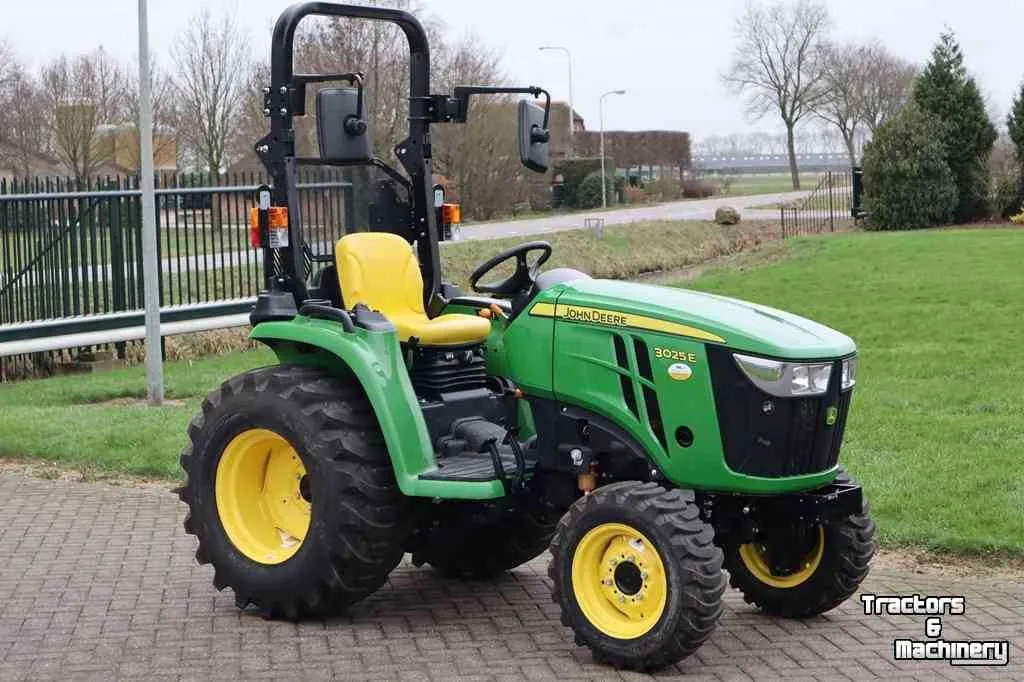
Inspect the battery for corrosion and check the charge level every 50 hours of operation. Clean the terminals and ensure a secure connection to avoid electrical issues.
Cooling System
Examine the radiator and coolant levels frequently, ensuring the coolant is topped up. Flush the cooling system every 1200 hours to prevent overheating and improve engine performance.
Transmission Fluid
Check the transmission fluid level every 50 hours and top up as needed. Replace it every 1000 hours to maintain smooth shifting and efficient transmission operation.
Grease Points
Lubricate the tractor’s key grease points every 50 hours of use. Focus on the front axle, steering linkage, and drive shaft to keep these components moving freely and prevent unnecessary wear.
General Inspection
Perform a general inspection of all components regularly, including belts, hoses, and safety systems. Look for signs of wear or potential issues, and address them before they turn into costly repairs.