John Deere 720 Haybine Specifications and Features Overview
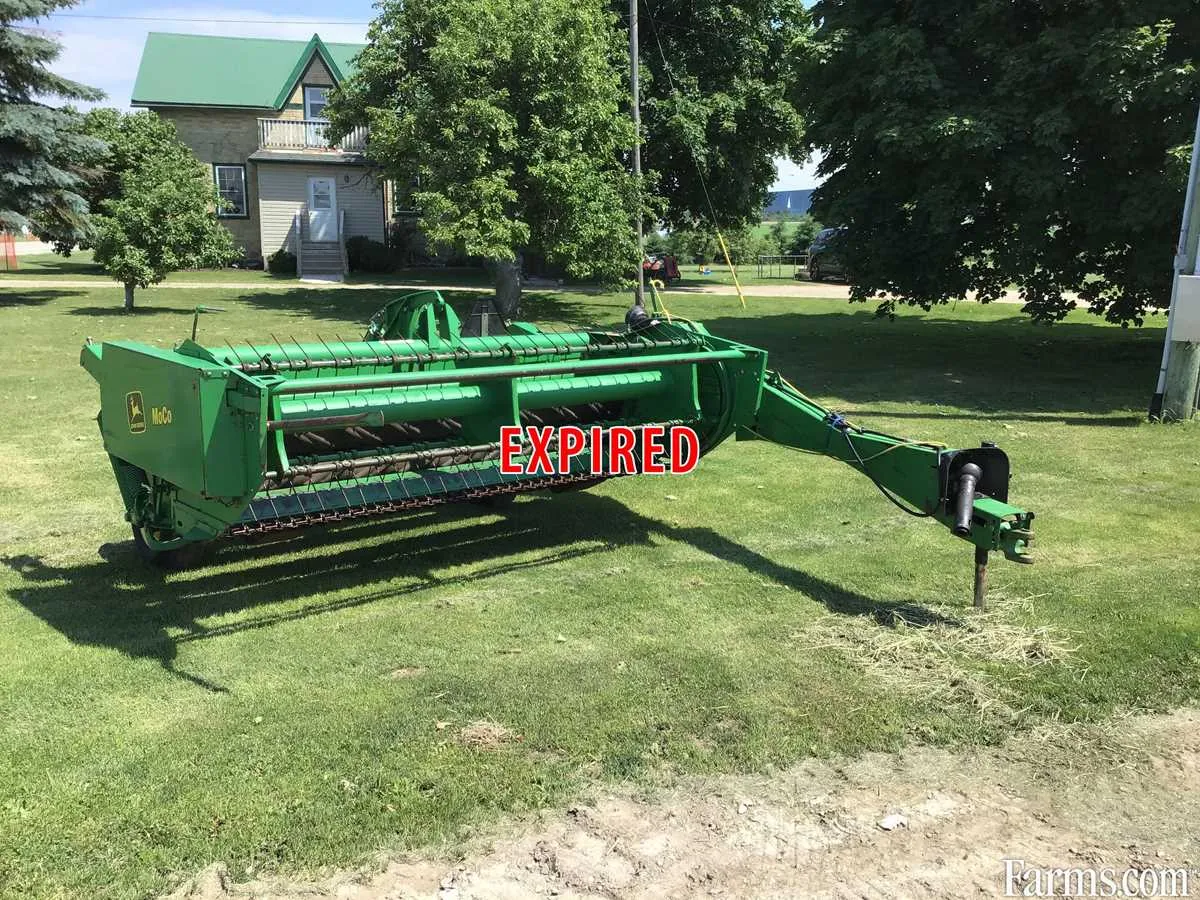
The John Deere 720 Haybine offers a strong balance of power and versatility for haymaking tasks. With a 9-foot cutting width, it efficiently handles large swaths of hay, minimizing the number of passes needed. The machine is powered by a 30-60 horsepower tractor, making it a solid choice for medium-sized farms.
Its cutterbar, which is driven by a heavy-duty belt, ensures durability and consistent performance. The sickle section is built to cut cleanly through dense hay, reducing loss and increasing overall productivity. The hydraulic wing fold allows for quick adjustments, making it easier to maneuver in various field conditions.
The transport width of the 720 Haybine is compact, with the wings folding back to 8 feet, allowing for easy road travel. The machine also includes a hydraulic system that allows for automatic lifting and lowering of the mower conditioner, ensuring a smooth transition between field operations.
For those who prioritize uptime, the John Deere 720 features a low-maintenance design. The drive system is sealed, protecting it from dirt and debris, while the cutterbar is engineered for easy replacement of parts. These features make the Haybine a reliable choice for long seasons of heavy use.
John Deere 720 Haybine Specs
The John Deere 720 Haybine offers a reliable solution for hay cutting with a set of features that make it highly efficient in the field. It is designed for medium to large operations, providing consistent cutting performance and durability. Here are the key specifications:
- Cutting Width: 9 feet (2.74 meters), providing excellent coverage for large areas in a single pass.
- Engine Requirements: Compatible with tractors ranging from 40 to 60 PTO horsepower for optimal performance.
- Weight: Approximately 1,200 pounds (544 kg), allowing for a good balance between stability and maneuverability during operation.
- Cutting Bar: Equipped with a 9-foot mower bar for reliable and clean cuts, reducing the risk of crop damage.
- Transport Width: 8 feet 6 inches (2.59 meters), making it easy to transport on public roads.
- Hydraulic Drive: Features a hydraulic drive system for smooth operation and better control of the cutting speed.
- Reel Type: Standard reel system for moving cut crop into windrows efficiently.
- Transport Height: 7 feet (2.13 meters), ensuring clearance when moving between fields or across uneven terrain.
This haybine offers reliable functionality in the field while maintaining user-friendly controls and ease of maintenance. Whether you’re cutting hay, alfalfa, or other crops, the John Deere 720 provides the efficiency needed for a wide range of tasks.
Understanding the Cutting Width and Design Features of the John Deere 720 Haybine
The John Deere 720 Haybine offers a cutting width of 9 feet, providing a balanced approach between efficiency and maneuverability in various field conditions. This width allows operators to cover significant ground without compromising on the quality of the cut. The design ensures even crop flow, helping reduce the likelihood of crop bunching or uneven cutting that can cause inefficiencies or delays in the haymaking process.
The machine features a durable steel frame and cutting system with center pivot steering, which enhances the overall maneuverability. This design provides better control while turning, making it easier to navigate around obstacles or tight corners in smaller fields. Its flexible suspension system absorbs field irregularities, ensuring a smooth ride and consistent cutting performance even on uneven terrain.
With the cutterbar positioned close to the ground, the 720 Haybine ensures a clean, close cut. This low cutting height minimizes the risk of crop loss due to debris or uneven ground levels. The conditioner rolls are designed to crimp the hay evenly, promoting quicker drying times without causing damage to the crop.
Its cutting system uses a sturdy, dependable sickle bar, which helps reduce the need for frequent maintenance and keeps downtime to a minimum. Additionally, the machine’s robust drivetrain ensures reliable operation under demanding conditions, giving operators peace of mind when working on larger hay operations.
How to Adjust the John Deere 720 Haybine for Different Crop Types
Adjust the cutter bar height according to the crop type to prevent unnecessary wear and ensure efficient cutting. For taller crops like alfalfa, set the cutter bar closer to the ground to avoid leaving too much uncut material. For shorter crops like grasses, raise the cutter bar slightly to prevent scalping.
Set the windrow width based on the crop density. Thicker crops like clover or alfalfa benefit from a wider windrow to promote faster drying. For lighter crops, adjust the windrow width to avoid excess moisture and promote even drying.
For crops with varying stem sizes, adjust the reel speed. Slower reel speeds help handle thick, heavy stems, while faster reel speeds work best for light crops, ensuring the material is fed consistently into the mower.
Adjust the roller tension to control the material flow and improve conditioning. For tougher crops like hay or clover, increase the roller pressure to ensure thorough conditioning. For softer crops, reduce roller pressure to avoid damaging the material.
Check the belt tension regularly to ensure proper drive performance. Over-tightened belts can wear out faster, while loose belts may cause poor cutting performance. Adjust tension based on operating conditions and crop type.
Maintenance Tips for Longevity of the John Deere 720 Haybine
Change the oil regularly to maintain smooth operation. Aim to replace it every 100 hours of use or at least once per season. Fresh oil reduces friction and prevents premature wear of internal components.
Lubricate all moving parts, including bearings and chains, every 10-15 hours of operation. This keeps components running smoothly and reduces the risk of overheating or malfunctioning due to lack of lubrication.
Check the cutterbar periodically for wear and damage. Inspect the sickle sections and guards, replacing any worn or broken parts to ensure clean cuts and prevent strain on the machine.
Keep the hydraulic system in top condition by checking fluid levels and inspecting for leaks. Low or contaminated fluid can cause hydraulic failures, leading to costly repairs.
Inspect the driveline for damage and ensure all components are securely fastened. Tighten any loose bolts or nuts to avoid breakdowns and ensure safe operation.
Adjust the tension on the belts as needed. Over-tightened or loose belts can reduce efficiency and cause unnecessary strain on the engine. Regularly check for wear and replace any belts that show signs of fraying.
After every use, thoroughly clean the Haybine to remove dirt, debris, and plant residue. This prevents clogging and reduces the chance of corrosion from moisture and dirt accumulation.
Finally, store the machine in a dry, sheltered location when not in use. Exposure to harsh weather conditions can shorten the lifespan of metal and hydraulic components.