Detailed Specifications of John Deere M Gator Utility Vehicle
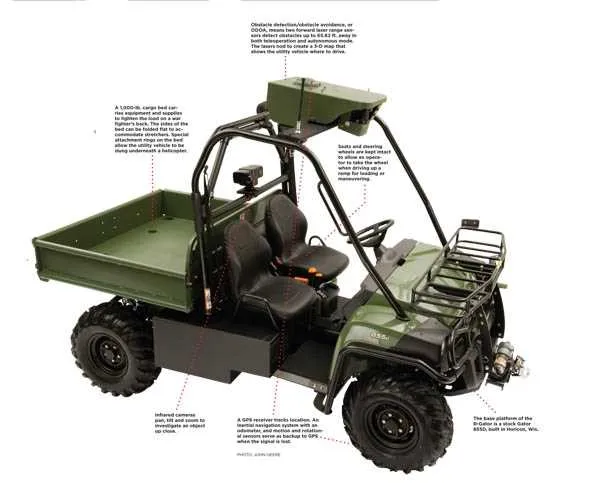
The John Deere M Gator is engineered for tough environments and heavy-duty tasks. Built with an advanced drivetrain, it delivers reliable performance for both personal and professional use. Whether you need it for transporting heavy loads or navigating challenging terrains, the M Gator’s robust design ensures durability and stability.
With a powerful engine and versatile towing capacity, the M Gator provides efficient transportation and smooth handling across various surfaces. The four-wheel drive system offers enhanced traction, making it a solid choice for demanding outdoor activities. Additionally, the vehicle is designed for ease of maintenance, ensuring long-term reliability in the field.
The M Gator’s compact size and agile maneuverability make it perfect for confined spaces while offering a larger load-carrying capacity than many comparable models. Equipped with a comfortable cab, it prioritizes operator comfort for extended use, ensuring efficiency even during long shifts. For those looking to get the job done quickly, the M Gator stands out with its practical features and dependability.
John Deere M Gator Specifications
The John Deere M Gator is built for robust performance in a variety of environments. It features a powerful engine designed to handle demanding tasks with ease. The model includes a 4×4 drive system for optimal traction, making it ideal for off-road operations.
Equipped with a 14.5-horsepower engine, the M Gator ensures smooth acceleration and consistent power delivery. The vehicle supports a payload capacity of up to 1,000 pounds, allowing it to carry heavy loads while maintaining stability.
The M Gator comes with a durable frame, ensuring long-lasting reliability. Its suspension system is engineered for a smooth ride, even in rough terrain. It also features a hydraulic dump bed for easy unloading of materials, providing added convenience for users.
The vehicle’s dimensions are compact, measuring approximately 8 feet in length and 4 feet in width, making it easy to maneuver in tight spaces. The bed capacity offers ample space for transporting tools or supplies on the job site.
Its fuel tank can hold up to 5.5 gallons, providing sufficient range for extended work periods without frequent refueling. The M Gator’s easy-to-operate controls and user-friendly design ensure that drivers can focus on the task at hand without distraction.
Engine and Powertrain Details
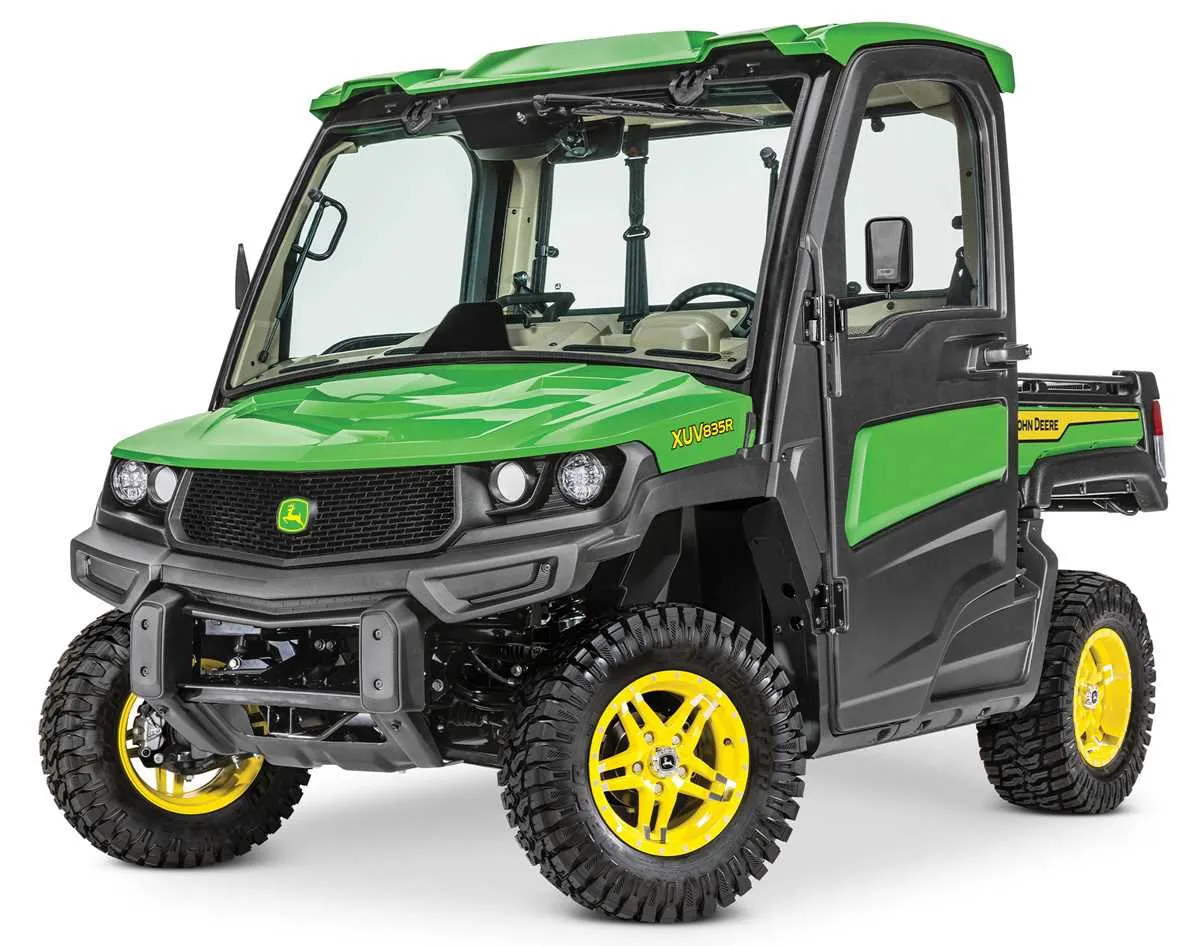
The John Deere M Gator features a reliable engine designed to deliver consistent performance across various terrains. Powered by a robust 4-stroke, twin-cylinder engine, it provides the necessary torque for heavy-duty tasks. The engine is built to offer optimal fuel efficiency while maintaining a high level of power, ensuring long operational hours without frequent refueling stops.
The engine is paired with a continuously variable transmission (CVT), allowing smooth and responsive speed control, making it adaptable to both low-speed maneuvers and high-speed travel. This system enhances traction and stability, especially on uneven surfaces.
The powertrain is engineered for durability, incorporating heavy-duty driveline components that reduce wear and tear over extended periods of use. This results in lower maintenance needs and ensures that the Gator maintains its performance under tough conditions.
The hydrostatic transmission enables seamless shifting and ensures that the operator can adjust to changing demands quickly, making it ideal for a variety of applications, from hauling to off-road work. The Gator’s powertrain also includes a durable drive shaft, offering reliability even during heavy loads.
Overall, the combination of engine and powertrain in the John Deere M Gator ensures high reliability, minimal downtime, and exceptional operational flexibility, making it suitable for demanding environments and tasks.
Performance and Load Handling Capabilities
The John Deere M Gator excels in performance, designed for demanding tasks and optimal load handling. With a robust engine and drivetrain, it delivers consistent power across various terrains, ensuring smooth operation even under heavy loads.
When it comes to load capacity, this model is engineered to carry significant weight without compromising stability or control. It supports a variety of attachments and cargo, making it versatile for work environments that require both mobility and strength.
- Maximum payload capacity: Up to 1,000 lbs (453 kg)
- Towing capacity: Capable of towing up to 1,200 lbs (544 kg) on flat ground
- Suspension system: Advanced independent suspension for better stability and comfort while handling heavy loads
Its high-torque engine and efficient powertrain allow the M Gator to navigate rough terrain, ensuring reliable performance during hauling or towing tasks. The transmission system is finely tuned to maintain optimal speed while carrying full loads, preventing excessive strain on the engine.
- Speed range: 0-25 mph (0-40 km/h) for a balance between speed and load handling
- Traction control: Electronic system adjusts power delivery to wheels for better grip, especially on slippery or uneven surfaces
Additionally, the John Deere M Gator incorporates a durable chassis and reinforced body, built to withstand the demands of heavy-duty use. The vehicle’s design allows for easy access to maintenance points, ensuring long-term reliability in high-load conditions.
Maintenance and Service Recommendations
Perform regular engine oil changes every 100 hours of operation or at least once a year, whichever comes first. Always use the recommended oil type to ensure proper engine function.
Inspect air filters frequently. Replace them if they appear clogged or damaged. Clean reusable filters as per the manufacturer’s guidelines to maintain engine performance.
Check tire pressure every 30 days or before heavy use. Low tire pressure can lead to reduced performance and increase the risk of damage.
Lubricate all moving parts regularly, especially the suspension system and steering mechanisms, to prevent excessive wear and tear.
Inspect the battery and electrical system every 200 hours of use. Clean battery terminals and check the charge to ensure optimal power delivery.
Replace spark plugs after every 200 hours of operation or when they show signs of wear, such as difficulty starting or engine misfires.
Inspect brake pads for wear. If braking performance deteriorates, replace the pads to avoid further damage to the braking system.
Regularly clean the cooling system to prevent overheating. Ensure that the radiator and cooling fan are free of debris to maintain proper engine temperature.
Examine the fuel system for leaks and blockages. Replace fuel filters as recommended by the manufacturer to ensure smooth fuel delivery.
Finally, follow the recommended service intervals outlined in the owner’s manual to extend the lifespan of your vehicle and maintain peak performance.