John Deere 525X Engine Specifications with Power Ratings and Technical Details
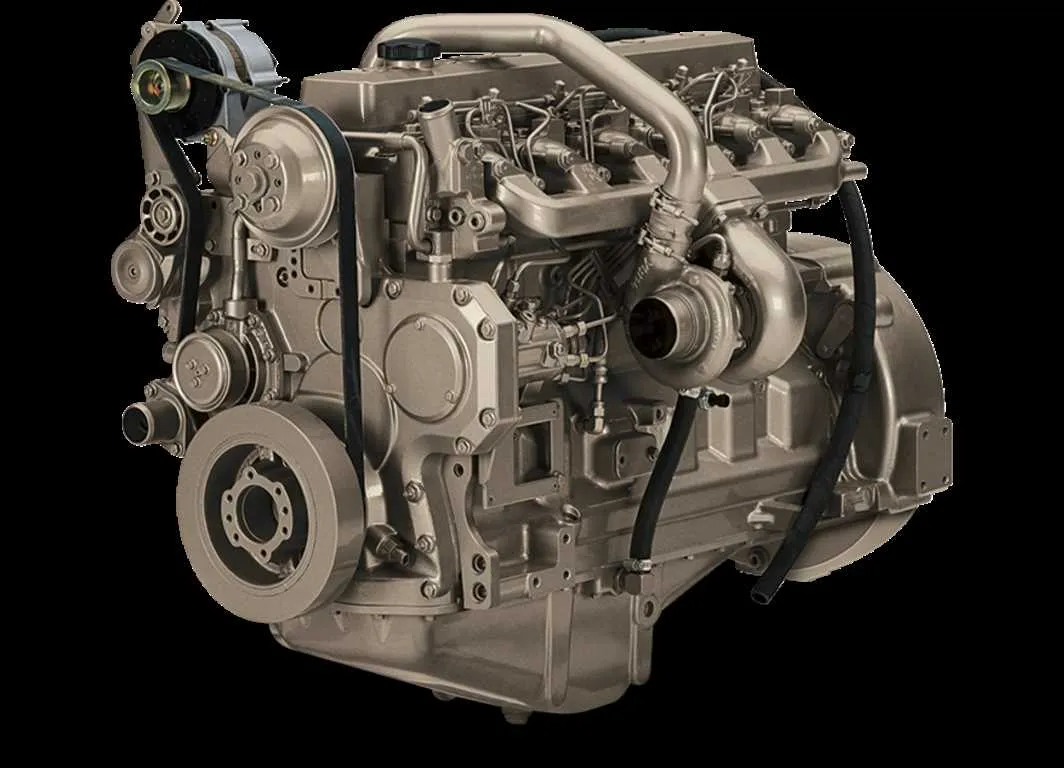
Choose the 525X engine for reliable mowing power that handles dense grass without strain. This model operates with a V-twin, air-cooled configuration delivering consistent torque across various load conditions. Its design ensures smooth performance and reduced vibration, giving you better control during long sessions.
The engine runs at 24 horsepower and uses a 724 cc displacement, balancing strength with durability for demanding lawn care tasks. A pressurized lubrication system maintains steady oil flow, reducing wear on internal parts and extending service life. Paired with an automotive-style oil filter, maintenance stays simple and predictable.
Expect a full-pressure lubrication system with spin-on filter and overhead valve design, which improves fuel combustion and extends valve life. Combine this with a dual-stage air filtration setup, and you minimize dirt intrusion, ensuring stable performance in dusty environments.
Fuel management relies on an electronic ignition system and a high-capacity carburetor, giving precise throttle response under variable conditions. The engine supports extended operation through a 13.4-liter fuel tank, allowing longer cutting sessions without interruptions.
John Deere 525X Engine Specifications and Technical Details
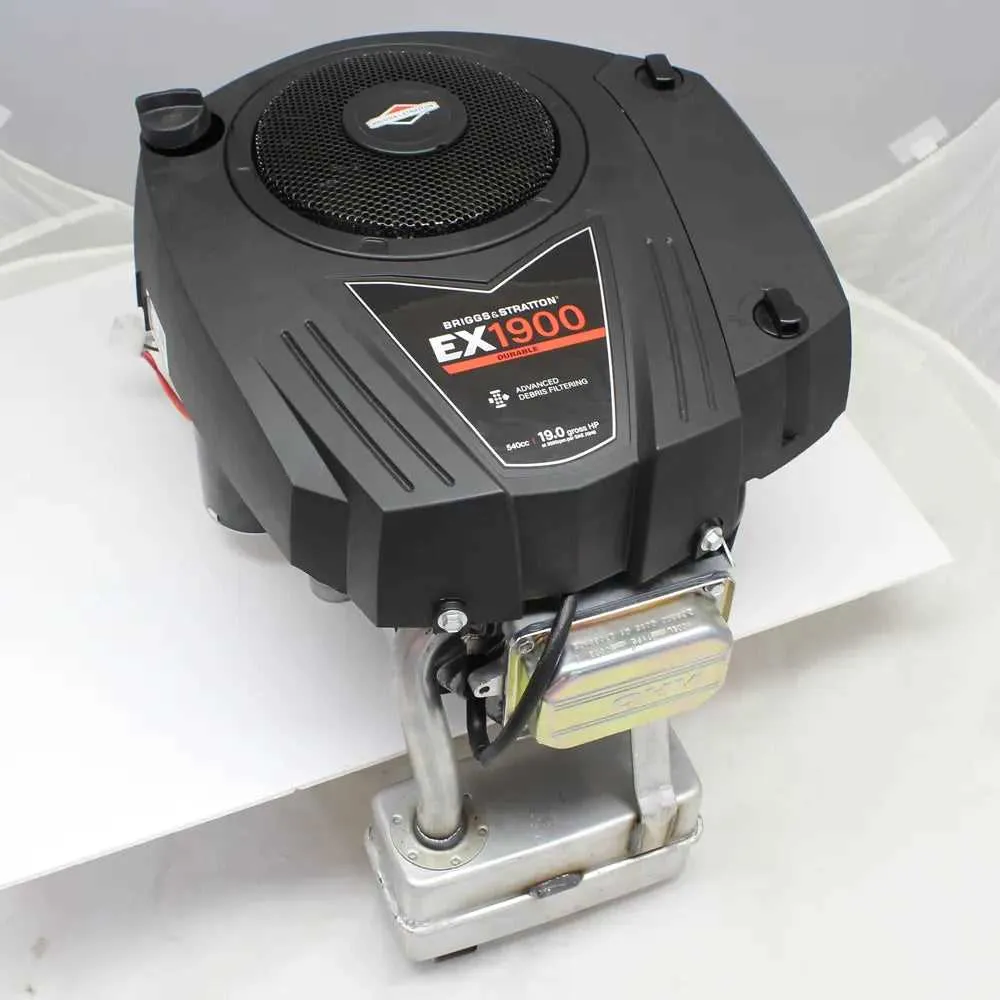
Choose the 525X engine for consistent performance under heavy workloads. Its design focuses on steady output and long service life with proper maintenance.
- Engine Type: Air-cooled, 4-cycle gasoline engine with V-twin configuration for balanced operation and reduced vibration.
- Displacement: 724 cc, ensuring a solid power base for demanding mowing and utility tasks.
- Horsepower: 25 HP rated output for dependable power delivery across variable conditions.
- Bore x Stroke: 3.12 in x 2.89 in, supporting smooth combustion and fuel efficiency.
- Compression Ratio: 8.2:1, contributing to reliable ignition and steady torque output.
For stable operation, use SAE 10W-30 oil with API classification SJ or higher. Maintain an oil capacity of 2.0 qt (1.9 L) and replace the oil filter every 100 hours. Inspect the dual-stage air filter regularly to prevent debris buildup and keep airflow consistent.
The fuel system includes a fixed main jet carburetor and a capacity of 4.4 gallons (16.7 L) in the main tank. Use unleaded gasoline with an octane rating of 87 or higher for optimal performance. Ensure spark plugs are gapped at 0.030 in (0.76 mm) and replace them every 100 hours for smooth ignition.
Cooling relies on a forced-air system with a large fan and shrouded design. Clean the cooling fins every 50 hours to prevent overheating. Follow these intervals to extend engine life and preserve performance under heavy workloads.
Engine Configuration and Power Ratings of John Deere 525X
Select the John Deere 525X engine for its reliable V-twin configuration, which offers a balanced layout and smooth operation. The engine runs on a 4-cycle gasoline system with an overhead valve (OHV) design that improves combustion and reduces fuel waste. This layout ensures stable performance under continuous load, making it suitable for heavy-duty mowing tasks.
The power rating stands at approximately 25 horsepower, providing the necessary strength for both flat terrain and slopes. With a displacement of around 724 cc, the engine maintains consistent torque output, ensuring steady blade speed during demanding conditions. The pressurized lubrication system with a replaceable oil filter keeps internal components protected during extended operation.
For peak performance, maintain recommended RPM levels between 3,200 and 3,400. Pair this with regular oil changes and clean air filters to sustain power and reduce wear. These specifications guarantee that the 525X delivers dependable results for residential and commercial mowing needs.
Fuel System Components and Performance Characteristics
Select high-quality injectors calibrated for the John Deere 525X to maintain stable fuel delivery at 2500 RPM. Use injectors designed for multi-hole spray patterns, as they ensure precise atomization and uniform combustion across all cylinders.
Install a mechanical or electronically controlled fuel pump rated for 3,000 psi to sustain optimal pressure under heavy load. Verify that the pump maintains pressure consistency during rapid throttle changes to avoid power dips and irregular combustion cycles.
Incorporate a dual-stage filtration system with a primary 30-micron water separator and a secondary 2-micron filter to prevent contaminants from reaching the injectors. Regularly monitor filter restriction levels and replace elements before pressure drop exceeds 10 psi.
Check the return line design for proper venting and flow control to prevent fuel aeration, which can reduce injector performance. Maintain return pressure below manufacturer limits to avoid pump cavitation and premature wear.
Measure fuel consumption at rated power; typical load-specific fuel use for this engine averages 0.38 lbs/hp-hr. If actual consumption exceeds this benchmark, inspect injectors for spray pattern deviation and verify pump calibration with OEM specifications.
Cooling and Lubrication Systems for Reliable Engine Operation
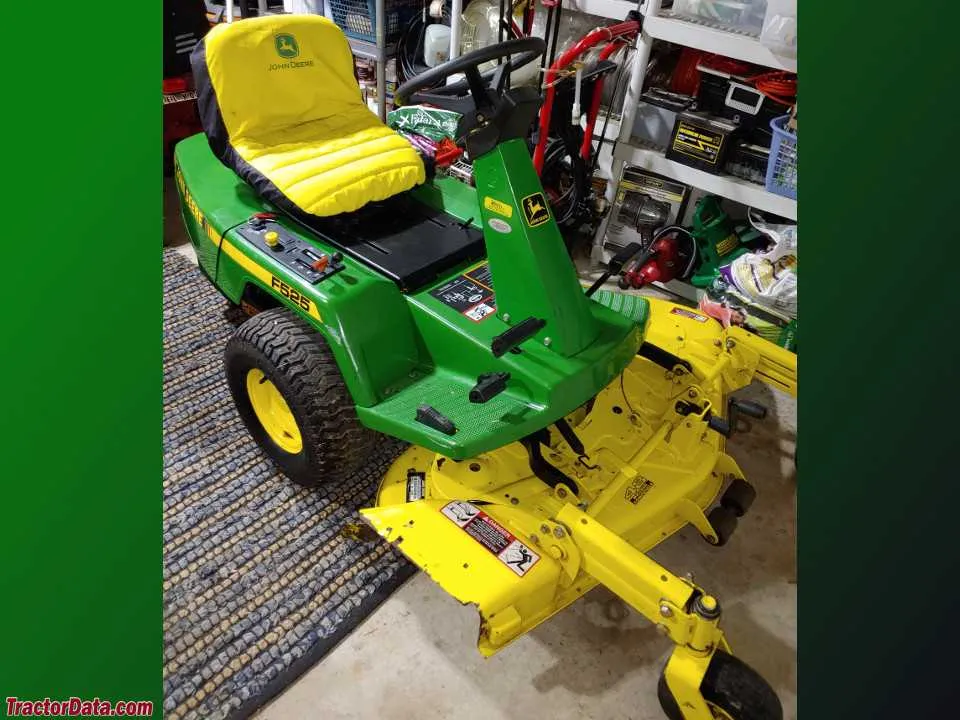
Keep coolant levels at the specified range to prevent overheating. The John Deere 525X relies on a liquid cooling system with a capacity of approximately 3.5 liters. Inspect the radiator fins regularly and remove debris to maintain proper airflow. Replace coolant according to the manufacturer’s service interval, usually every 1,000 operating hours or two years, using an approved low-silicate formulation.
Monitor the water pump for leaks and confirm the fan belt maintains the correct tension. A slipping belt can reduce coolant circulation, leading to high engine temperatures. Ensure the thermostat operates correctly, opening at around 82°C (180°F) for consistent thermal control.
Lubrication depends on a pressurized system that uses 15W-40 engine oil meeting API CJ-4 or higher. Maintain oil levels within the safe zone and change oil every 250 hours under normal conditions. Replace the oil filter with each oil change to prevent contaminants from circulating through bearings and camshaft surfaces. Avoid overfilling, as excess oil can cause aeration and reduce lubrication performance.
Inspect seals around the crankshaft and valve cover for signs of leakage. Worn seals or gaskets can cause oil loss and lead to insufficient pressure. Always warm the engine before heavy load operations to allow oil viscosity to stabilize for consistent protection.