John Deere Snow Blade Specifications and Key Features
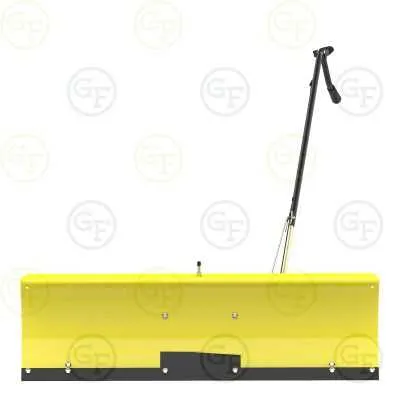
To ensure optimal performance, the John Deere snow blade offers robust design features and precise dimensions. The blade width typically ranges from 48 inches to 84 inches, providing versatility for different snow clearing tasks. The adjustable angle allows operators to efficiently manage snow direction, reducing the need for multiple passes.
The cutting edge of the snow blade is made from high-quality steel, built to withstand prolonged use in harsh conditions. This ensures durability and longevity, even under frequent, heavy-duty use. The blade’s weight is distributed to provide proper stability during operation, preventing shifting and enhancing control while plowing.
For maximum compatibility, the blade is designed to attach seamlessly to John Deere tractors, with quick-mount systems that reduce setup time. The hydraulic lift mechanism enables effortless adjustments, allowing the operator to raise and lower the blade with precision, improving overall maneuverability and efficiency.
John Deere Snow Blade Specifications
The John Deere Snow Blade is designed to efficiently clear snow and debris, offering adjustable configurations to suit various conditions. Its rugged construction ensures durability and reliability in tough environments.
The blade features a heavy-duty frame built from high-quality steel, providing strength to withstand the impact of hard snow and ice. The width of the blade varies, with options ranging from 60 inches to 84 inches, allowing flexibility for different tasks.
For precise control, the snow blade is equipped with adjustable angles, enabling users to direct snow effectively. The blade can be tilted from 0° to 30°, and the angle can be easily adjusted using the in-cab control system, reducing manual effort and improving operational efficiency.
Lift height is another important specification. The blade has a lifting capacity that allows it to clear snow piles efficiently. The lift mechanism is powered by hydraulic systems, ensuring smooth and reliable operation even under heavy loads.
Snow blade weight varies depending on the model and configuration, typically ranging from 300 to 600 pounds. This weight provides stability during use, preventing the blade from lifting off the ground when clearing deep snow or ice.
Additional features include a wear-resistant cutting edge, which is crucial for maintaining the blade’s effectiveness over time. These edges are designed to withstand harsh conditions and can be replaced when worn down.
For added versatility, the snow blade can be easily attached to a variety of John Deere machines, including tractors and utility vehicles. Its quick-attach system allows for fast setup and teardown, saving time between uses.
Blade Dimensions and Compatibility
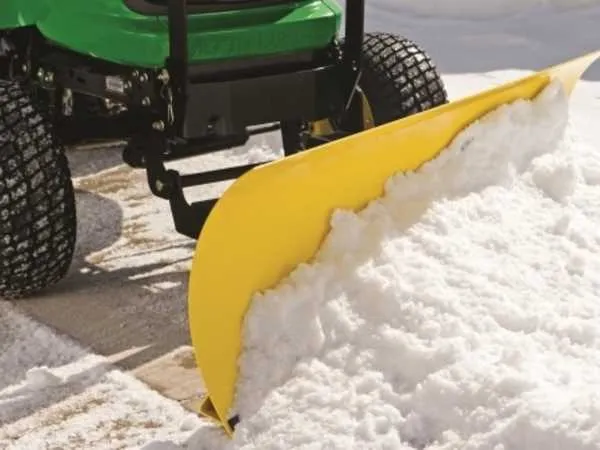
For optimal performance, ensure your snow blade’s dimensions match the specifications of your John Deere machine. The most common width for snow blades is between 48 and 84 inches, with a cutting height typically ranging from 20 to 30 inches. These measurements ensure that the blade provides adequate coverage for clearing snow without overburdening the vehicle’s hydraulic system.
The blade’s material thickness plays a key role in durability and ease of use. A 10-gauge steel blade is often recommended for its strength and resilience under tough conditions. For added performance, choose blades with adjustable angles, which allow users to modify the clearing direction based on the type of snow and terrain.
Compatibility is another critical factor. Make sure the blade is designed to attach securely to your John Deere model. Snow blades generally feature a quick-mount system compatible with a range of John Deere tractors. Always check the model number to confirm the blade’s fitment options. For optimal attachment, check if the required mounting brackets are included or sold separately.
Before purchasing, review the manufacturer’s guidelines for proper installation and compatibility. This will help you avoid compatibility issues and ensure safe, efficient use of the snow blade throughout the season.
Hydraulic System and Lift Mechanism
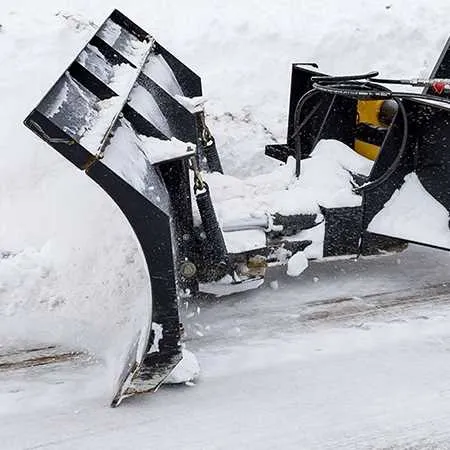
The hydraulic system of the John Deere snow blade is designed for quick and precise blade adjustments. It utilizes a high-capacity pump and robust cylinders to provide smooth lifting and lowering action. Ensure the hydraulic fluid is at the correct level and the system is free of air for optimal performance.
The lift mechanism relies on dual hydraulic cylinders to raise and lower the blade with precision. The system allows for easy angle changes, giving you better control over the blade’s position during snow removal. Periodically check for leaks and wear in hydraulic hoses to maintain the system’s efficiency.
For maximum lifting power, ensure the hydraulic lines are connected securely, and the valves are functioning properly. Proper maintenance of these components ensures the snow blade operates smoothly without undue strain on the tractor’s engine.
Durability and Maintenance Requirements
Regular inspection of the John Deere snow blade is key to maintaining its durability. Ensure that all components, especially the cutting edge and hydraulic system, are free from signs of wear or damage after each use. The blade’s structure is built for heavy-duty tasks, but consistent care will prolong its service life.
Check the cutting edge for any signs of wear or chipping. Replacing the blade at the first sign of wear ensures effective snow removal and prevents further damage to the mechanism. Pay attention to the mounting brackets and fasteners, ensuring they are tight and rust-free.
The hydraulic system should be inspected regularly for leaks or issues with fluid levels. Using the recommended hydraulic fluid and maintaining proper fluid levels ensures smooth operation and minimizes the risk of breakdowns during intense use. Hydraulic hoses should be checked for cracks or damage, which could lead to fluid loss or system failure.
Cleaning the blade after every use is a simple but important maintenance task. Remove any accumulated snow, ice, or debris from all parts, particularly the moving components. A clean system runs more efficiently and is less prone to mechanical failure.
Greasing moving parts, such as joints and pivot points, should be done according to the manufacturer’s guidelines. This prevents rust, ensures smooth movement, and reduces wear. Check for any loose bolts or nuts and tighten them as needed.
Finally, storing the snow blade in a dry, sheltered location when not in use will help protect it from harsh environmental conditions. Avoid leaving the blade outside for extended periods, as exposure to moisture and extreme temperatures can accelerate wear and rusting.