John Deere Tractors Engine Specifications and Performance Details
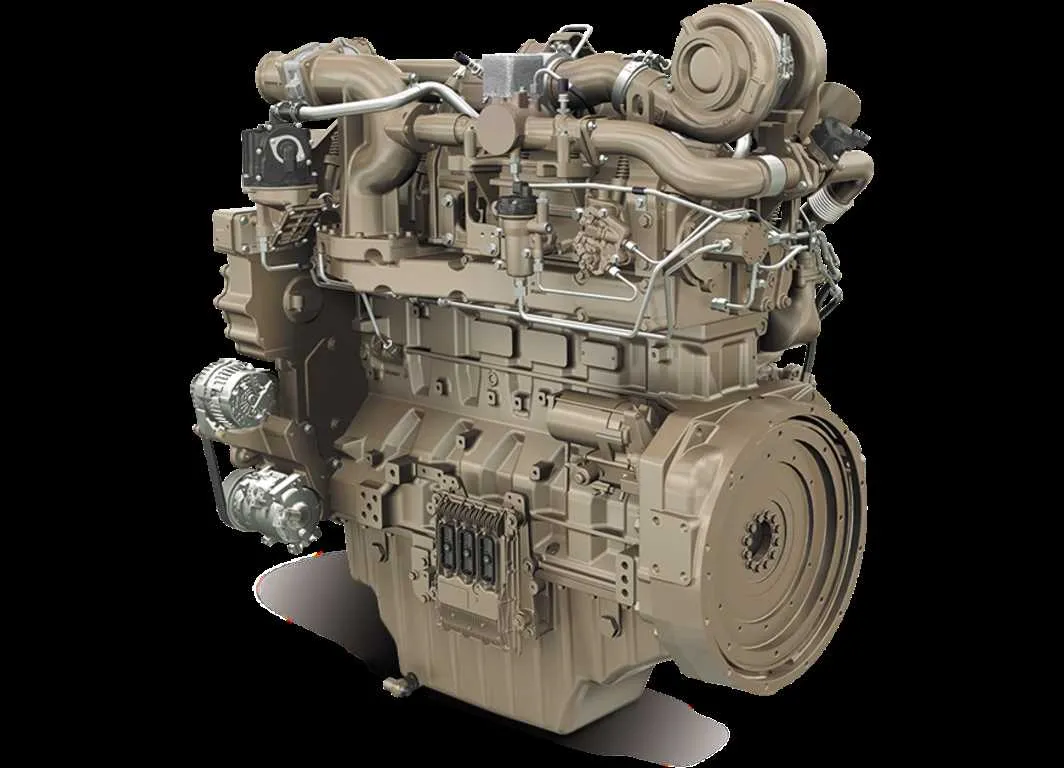
John Deere tractors are known for their reliability and performance. With a range of engines designed for specific tasks, these machines are engineered to tackle a variety of farming and construction jobs with ease. Whether you’re looking for fuel efficiency or raw power, John Deere offers options that can meet your needs.
The John Deere 6M Series tractors feature engines ranging from 85 to 155 horsepower, with both turbocharged and naturally aspirated models. These engines are built to handle heavy-duty tasks while maintaining low fuel consumption. The PowerTech engines offer high torque and smooth operation, ideal for large-scale farming operations.
For more intense work, the John Deere 9R Series tractors are equipped with engines that produce between 310 and 620 horsepower. These engines come with advanced cooling and air filtration systems to ensure longevity even under the most demanding conditions. The 9R tractors are perfect for large fields and tough terrain.
If you’re looking for a compact option, the John Deere 1 Series tractors offer engines between 24 and 40 horsepower, providing just the right amount of power for smaller tasks like landscaping or gardening. These engines are designed for easy maintenance and efficient performance, making them ideal for residential use or small farms.
When selecting a John Deere tractor, consider the specific engine specifications that best suit your operational needs. Whether it’s power, fuel efficiency, or durability, John Deere’s engine technology ensures maximum productivity with minimal downtime.
John Deere Tractors Engine Specs
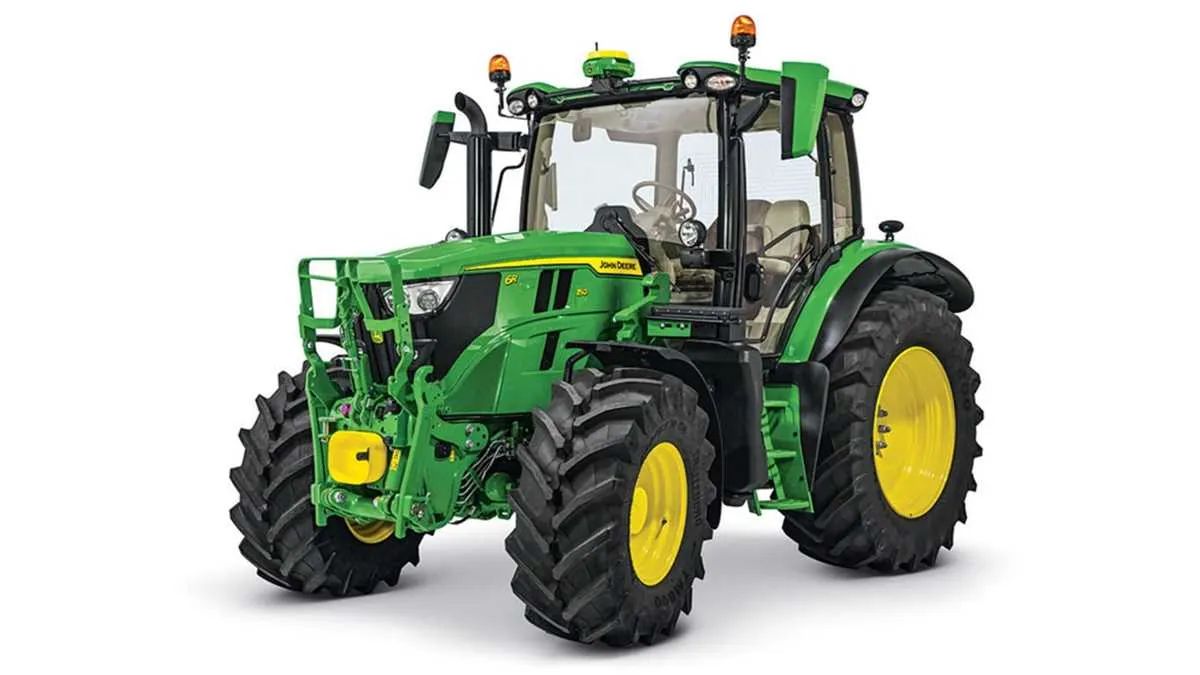
John Deere tractors come with a variety of engine options, designed to meet the demands of both light and heavy-duty farming tasks. Whether you are working on a small plot or managing a large agricultural operation, there’s an engine configuration to fit your needs.
The 5E Series, for instance, is equipped with a 3-cylinder, 2.9L engine that delivers up to 45-75 horsepower. This engine provides excellent fuel efficiency and reliability for everyday tasks such as tilling and mowing. The 5M Series steps up with a 4-cylinder, 3.6L engine, offering 75-105 horsepower, perfect for more demanding applications like plowing and hauling heavy loads.
For higher power requirements, the 6M Series is powered by a 4.5L, 4-cylinder engine that generates 105-135 horsepower, making it ideal for high-efficiency field operations and intensive lifting tasks. The 7R Series tractors are equipped with a 6.8L, 6-cylinder engine, providing between 210 and 310 horsepower. These engines are designed for large-scale farming, offering increased torque and performance for tasks such as deep tillage and large-scale hauling.
In terms of transmission, John Deere tractors often pair their engines with fully integrated systems that optimize both performance and fuel economy. Some models come with AutoQuad Plus transmission, ensuring smooth shifting and optimal power delivery to handle different soil conditions.
When choosing the right engine for your tractor, consider the type of work you will be performing, as well as the horsepower range that matches your requirements. Proper engine selection will help you maximize both the performance and lifespan of your tractor.
Engine Power and Torque for Different John Deere Tractor Models
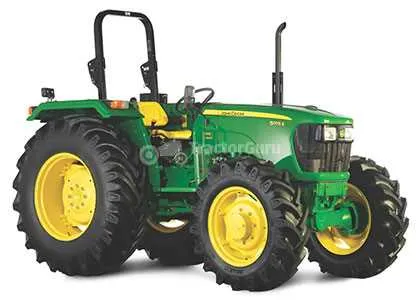
John Deere tractors offer a range of engine specifications, each tailored to specific tasks. Below are details about engine power and torque for several models, ensuring you choose the right machine for your needs.
- John Deere 1025R:
Power: 24.2 hp
Torque: 48.4 lb-ft
This sub-compact utility tractor delivers smooth operation for light landscaping, small farming, and other routine tasks.
- John Deere 5055E:
Power: 55 hp
Torque: 180 lb-ft
Designed for more demanding work, this utility tractor combines fuel efficiency with strong performance for medium-sized operations.
- John Deere 6105E:
Power: 105 hp
Torque: 352 lb-ft
With a high-torque engine, this model is ideal for heavy-duty tasks such as tilling and large-scale farming.
- John Deere 7030 Series (7030 Premium):
Power: 130 hp
Torque: 470 lb-ft
The 7030 Series offers increased power and torque, suited for large operations, demanding attachments, and tough terrains.
- John Deere 9R Series (9470R):
Power: 470 hp
Torque: 1,650 lb-ft
These high-powered tractors provide exceptional torque for plowing, hauling, and working under the most challenging conditions.
Choosing the right tractor model based on power and torque ensures efficient completion of your tasks, optimizing fuel consumption and minimizing wear on equipment.
Maintenance Requirements for John Deere Tractors Engines
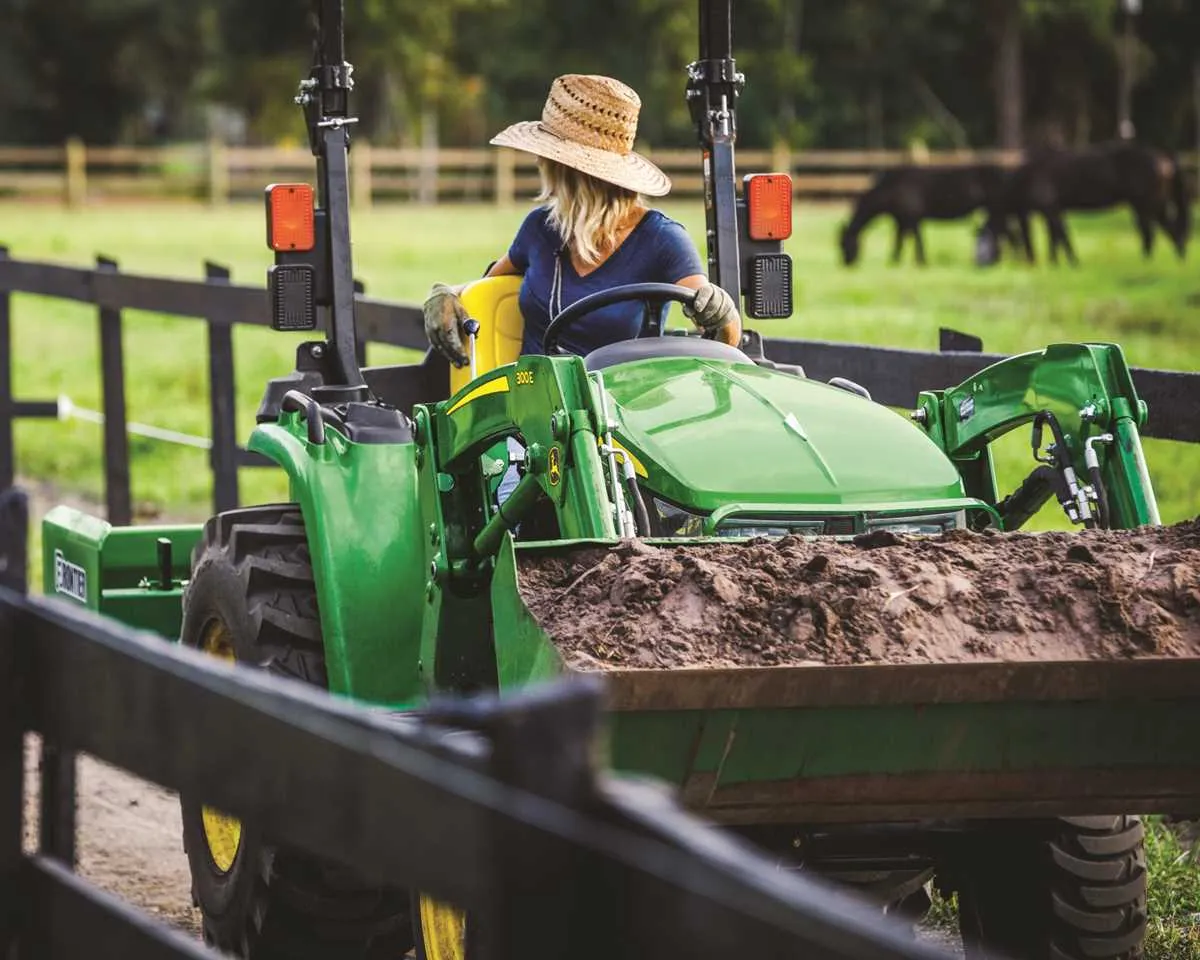
Check the engine oil regularly and change it at intervals recommended by John Deere. For most models, this is typically every 100 hours of operation or at least once a year, whichever comes first. Use the correct oil grade as specified in the owner’s manual, typically 15W-40 or 10W-30 for most engines.
Inspect and replace the air filter every 200 hours of use, or sooner if working in dusty environments. A clogged air filter reduces engine efficiency and can lead to damage over time.
Clean or replace the fuel filter based on manufacturer guidelines. Typically, this is every 500 hours of operation, but check your specific model’s requirements. Keeping the fuel system clean ensures smooth engine performance and prevents premature wear.
Maintain the cooling system by checking coolant levels regularly. Replace the coolant every 2 years or 2,000 hours of operation. Make sure the radiator and coolant hoses are free of leaks or cracks. The correct coolant type is specified in the engine manual and should be adhered to for optimal heat regulation.
Inspect the spark plugs at least once a year and replace them if worn or corroded. This helps with fuel efficiency and prevents misfiring.
Lubricate the engine’s moving parts with the appropriate grease or oil according to the maintenance schedule. This includes the valve train, crankshaft, and other critical engine components that require regular lubrication to avoid excessive wear.
Check the battery voltage and charge level regularly. Clean the terminals to prevent corrosion, which can impact engine starting performance. Ensure the battery is securely mounted and replace it when necessary, especially if it shows signs of wear or discharge issues.
Follow the manufacturer’s guidelines for fuel quality. Using contaminated or incorrect fuel can severely damage the engine. Always use fresh fuel from a reliable source, and avoid leaving fuel in the tank for extended periods, which can lead to sediment buildup.
Fuel Efficiency and Consumption Rates in John Deere Engines
John Deere engines are designed to deliver excellent fuel efficiency, helping farmers save on operational costs. Their advanced fuel management systems optimize consumption, ensuring each drop of fuel counts. For example, the 6R Series tractors typically feature fuel consumption rates around 5.5-6.0 gallons per hour, depending on load and terrain conditions.
For those using the 8R Series tractors, fuel usage is around 6.5-7.0 gallons per hour. This range can vary based on engine power and the type of attachments in use. Lower fuel consumption is a key advantage, as it reduces the overall cost of fuel per acre of land worked.
John Deere’s PowerTech™ engine technology significantly improves combustion efficiency. The engine’s ability to adjust fuel injection timing based on load and speed reduces excess fuel burn. This helps achieve up to 20% better fuel economy compared to older models. The Diesel Exhaust Fluid (DEF) system in these engines also reduces harmful emissions while maintaining fuel efficiency.
When it comes to choosing the best engine for fuel savings, consider both engine size and intended use. Tractors designed for lighter tasks will naturally consume less fuel than those tasked with heavier loads. John Deere’s smaller models, like the 5E Series, are built to work efficiently at 4.5-5.0 gallons per hour, making them ideal for smaller farms or gardens.
For optimal fuel savings, routine maintenance is key. Regularly checking tire pressure, cleaning air filters, and keeping the engine tuned ensures it runs at peak efficiency. Investing in the John Deere Fuel Saver System can also optimize fuel flow, further lowering consumption.