John Deere 6068 Engine Specifications and Performance Overview
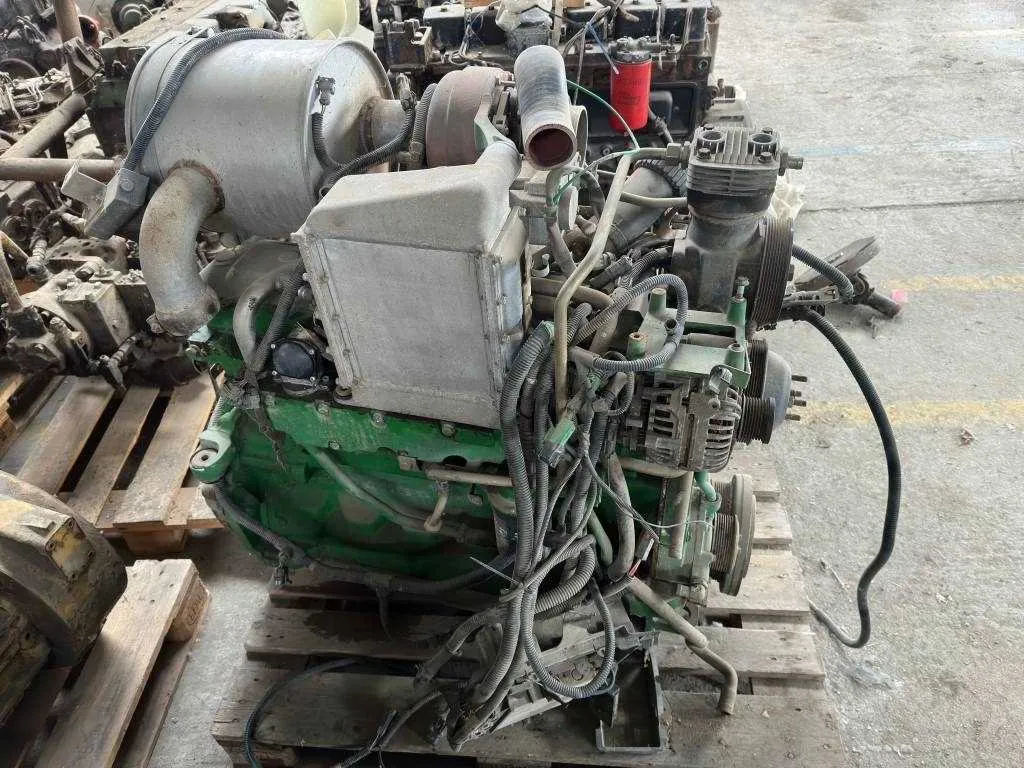
The John Deere 6068 engine offers impressive power and durability for a wide range of applications, from agricultural machinery to construction equipment. With a displacement of 6.8 liters, this inline 6-cylinder engine is designed to deliver optimal performance while maintaining fuel efficiency. Its power output typically ranges from 160 to 225 horsepower, depending on the specific model and application.
At the heart of the 6068 engine is a robust turbocharging system that enhances air intake, increasing efficiency and boosting torque at lower RPMs. This design ensures reliable operation under heavy loads, making it a popular choice for demanding environments. The engine also meets Tier 3 and Tier 4 emission standards, highlighting its commitment to environmental sustainability without sacrificing power.
Another key feature of the John Deere 6068 is its advanced cooling system, which helps maintain optimal operating temperatures during extended periods of use. Coupled with a proven fuel system, the engine excels in fuel economy, offering reduced downtime and maintenance costs. This makes the 6068 engine an ideal choice for both long-term investment and day-to-day productivity in harsh conditions.
John Deere 6068 Engine Specs
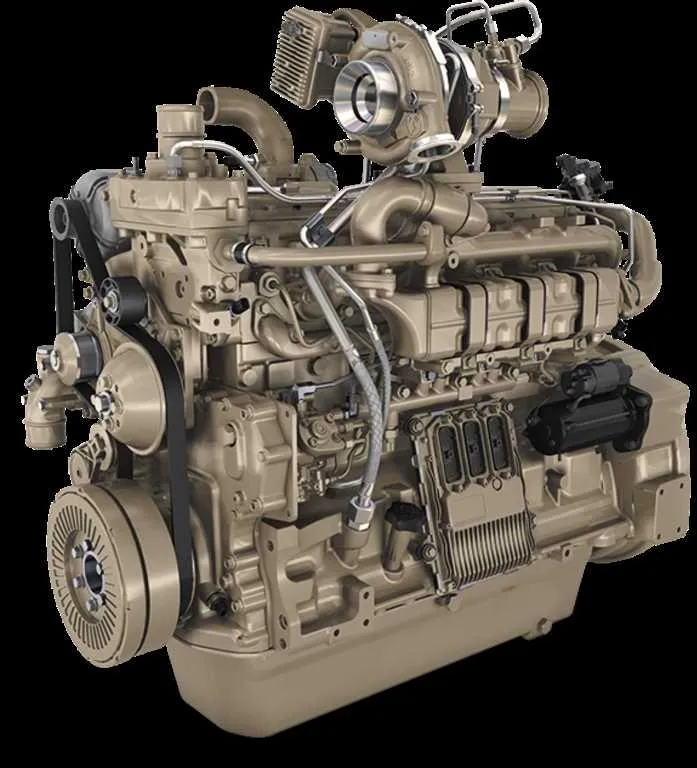
The John Deere 6068 engine is designed for reliable performance in demanding environments. It is widely used in agricultural and industrial applications, offering solid power and efficiency.
- Engine Type: 6-cylinder, in-line, turbocharged and air-to-air aftercooled
- Displacement: 6.8 liters (414 cubic inches)
- Horsepower: Ranges from 170 to 250 hp depending on configuration
- Torque: 513 lb-ft (695 Nm) @ 1400 rpm
- Compression Ratio: 17.5:1
- Fuel System: Electronic control fuel injection
- Cooling: Liquid-cooled
- Lubrication: Full-pressure lubrication with oil filter
The engine operates efficiently under varying load conditions, with high torque at low rpm, making it ideal for heavy-duty tasks. It features electronic fuel management, which improves fuel efficiency and reduces emissions. Maintenance is simplified by the engine’s modular design, reducing downtime for repairs and service.
The 6068 engine is equipped with advanced diagnostics, allowing for easier monitoring and troubleshooting. Whether you’re using it in a tractor, combine, or other industrial equipment, the 6068 engine provides both power and reliability for high-performance operations.
Power Output and Torque Characteristics of the John Deere 6068 Engine
The John Deere 6068 engine delivers a reliable power output of 175 to 230 horsepower, depending on the specific model and configuration. This range makes it suitable for heavy-duty applications, offering both efficiency and robustness in demanding environments. The engine is equipped with a turbocharger, ensuring high power density while maintaining fuel efficiency, which is crucial for equipment longevity and operational cost management.
In terms of torque, the 6068 engine excels with a peak torque value of 700 to 900 Nm (Newton-meters), depending on the variation. The torque curve is optimized for consistent performance at low to mid-range speeds, allowing for smooth operation even under load. This makes it ideal for machinery like loaders, tractors, and construction equipment that require sustained power over extended periods.
The engine’s design ensures optimal fuel combustion, which directly contributes to its impressive torque characteristics. As a result, the 6068 provides excellent fuel economy without sacrificing power delivery. Its ability to handle demanding tasks with minimal power loss makes it a reliable option for operators looking for long-term performance.
In addition to high torque and power output, the John Deere 6068 is designed to maintain stable operation across a wide range of operating conditions. Whether in a low-speed, high-torque scenario or a high-speed, lower-torque requirement, the engine can efficiently adapt, maintaining consistent performance and minimizing downtime.
Common Applications and Compatibility of the John Deere 6068 Engine
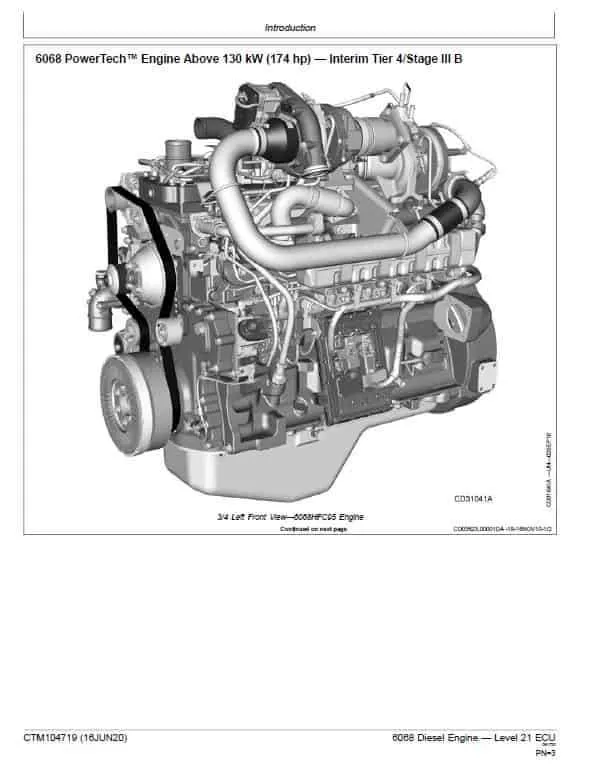
The John Deere 6068 engine is widely used in agriculture, construction, and industrial machinery. Its robust design and versatile performance make it ideal for demanding environments. In agricultural machinery, it powers tractors, combines, and harvesters, offering high torque and fuel efficiency for long working hours in the field.
In construction, the 6068 engine is compatible with excavators, loaders, and other heavy equipment. Its durability and performance in tough conditions ensure optimal power delivery, even in extreme temperatures. This engine is commonly found in equipment that requires reliable power for digging, lifting, and moving materials.
Additionally, the 6068 is often used in industrial applications like power generators and pumps. Its reliable performance and ability to handle continuous loads make it a popular choice for backup power systems and heavy-duty pumping units. The engine’s compatibility with various fuel types adds to its versatility in different settings.
The engine’s compact design and flexible mounting options make it compatible with a wide range of machines. It can be easily integrated into both new builds and retrofitted into existing models, providing excellent support for upgrading older machinery. Its compatibility with a variety of drivetrain systems also ensures smooth integration across multiple sectors.
Maintenance and Service Requirements for the John Deere 6068 Engine
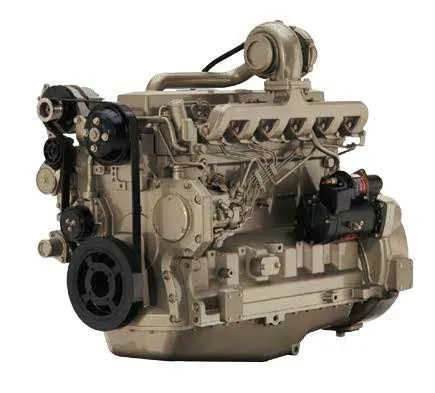
Change the engine oil every 250 hours of operation or annually, whichever comes first. Use John Deere Plus-50 II oil for optimal performance. Ensure that the oil filter is replaced at each oil change to maintain engine efficiency.
Inspect the air filter every 500 hours or as needed, depending on operating conditions. Replace it if it’s dirty or damaged. Clean the filter regularly to prevent clogging, especially in dusty environments. Replace the filter element every 1,000 hours or when recommended by the manufacturer.
Check the fuel system for leaks, cracks, or wear every 500 hours. Replace the fuel filters at 500-hour intervals or sooner if the fuel is contaminated. Always use clean, high-quality fuel to prevent damage to the injectors and fuel pump.
Coolant should be changed every 1,000 hours or annually. Ensure the cooling system is flushed properly to remove any deposits that could hinder heat transfer. Check the coolant level regularly and top it off as necessary with a mixture of antifreeze and water in the correct ratio as specified in the owner’s manual.
Inspect the belts and hoses for wear, cracks, or damage every 500 hours. Replace any components that show signs of deterioration. Belts should be tensioned properly to prevent slippage and unnecessary strain on the engine components.
Perform valve adjustments every 1,000 hours to ensure proper engine performance. Follow the manufacturer’s specifications for clearance settings to avoid excessive wear or engine inefficiency.
Check the battery every 500 hours, ensuring that it is clean, tightly secured, and properly charged. Replace the battery every 2 to 3 years to avoid unexpected power failure.
Monitor the engine’s exhaust system for signs of blockage or corrosion. Clean and replace the exhaust filter if necessary, as restricted exhaust flow can lead to engine overheating or poor performance.
Keep the engine free from debris, dirt, and dust, especially around the cooling fins and intake areas. Use compressed air to blow out dirt from the engine compartments regularly, but avoid using excessive pressure that could damage sensitive components.
Consult the operator’s manual for any model-specific maintenance schedules and recommendations. Following these intervals ensures that the engine performs at its best and prolongs its life. Regular servicing reduces the risk of costly repairs and downtime.