John Deere Mower Belt Specifications and Compatibility Guide for Lawn Equipment
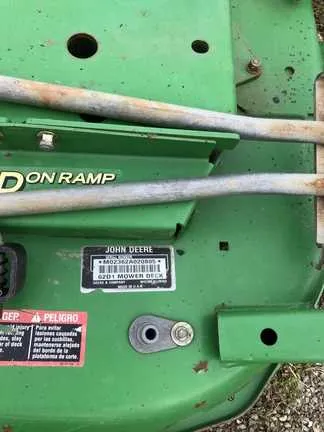
When selecting a replacement mower belt for your John Deere machine, always check the model number and belt size. John Deere provides specific belt specifications for each mower, which ensures proper performance and durability. For example, the John Deere GX20072 belt is commonly used in several mowers, offering a 1/2-inch width and 104-inch length, fitting a variety of mowers like the Z225 and Z245.
Ensure you match the belt’s specifications to the exact model you’re working with. Using the wrong size can lead to premature wear or failure. The length and width are critical, as they determine how tightly or loosely the belt fits within the mower’s system. Pay attention to the belt material as well; a high-quality reinforced belt lasts longer and resists stretching and fraying, minimizing downtime.
Another consideration is the type of mower. For riding mowers, there are multiple belts that control different parts of the machine, such as the transmission or blade drive. Knowing the difference helps prevent unnecessary replacements. For example, the John Deere M144423 belt is a common blade drive belt for mowers like the D100, while the John Deere AM141031 is often used in the transmission system of the same model.
Lastly, always inspect the belt for any signs of wear or cracking before replacing it. A well-maintained mower belt can last for years, but when it’s time to replace, make sure you choose the exact specifications to maintain mower performance and avoid costly repairs.
John Deere Mower Belt Specs
When selecting a replacement belt for your John Deere mower, it’s important to match the right specifications for optimal performance. The belts are specifically designed for different mower models, ensuring proper fit and durability. Make sure to check the model number of your mower before purchasing. The most common belts for John Deere mowers are the Deck Drive Belt, Transmission Belt, and Engine Drive Belt.
For the Deck Drive Belt, you’ll typically find the part numbers like GX20072 or GX20250 depending on the mower deck size. These belts are made of high-quality rubber and reinforced with steel cords to prevent stretching and wear. They’re designed to handle the constant tension and force required to turn the mower blades effectively.
The Transmission Belt, found in models such as the John Deere 100 Series, often has part numbers like GX20072 or GX20250. These belts transfer power from the engine to the transmission, allowing smooth operation of the mower’s drive system. Always check the width and length when replacing, as an incorrect fit can lead to poor drive performance or damage.
For the Engine Drive Belt, often used in riding mowers and lawn tractors, belts such as GY20867 are commonly used. These belts connect the engine to various systems, transferring the engine’s power to other parts of the mower. Proper tension is crucial for avoiding slipping or misalignment.
When replacing any belt, it’s vital to check the condition of pulleys and other related components. Worn pulleys can quickly damage new belts. Always verify the belt’s length, width, and material to ensure compatibility with your mower’s model.
For most John Deere models, the deck drive belts range from 1/2″ to 1″ in width and vary in length depending on the specific model. Some decks require V-belts, while others use flat belts, so confirming this before purchasing is key to getting the right one. Using the incorrect belt type will affect the mower’s cutting efficiency and possibly damage the system.
Regular inspection of your mower’s belts for wear, cracking, or fraying will help you avoid unexpected downtime. Replace any damaged belts immediately to maintain your mower’s performance and prevent further issues.
How to Choose the Right John Deere Mower Belt Size
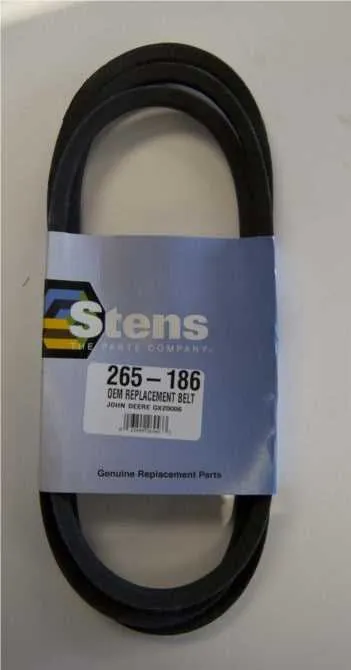
To select the correct mower belt size for your John Deere, refer to the model number of your mower and check the manufacturer’s specifications. Measure the belt’s length and width if you’re replacing an old one. Ensure that the new belt matches the original belt’s dimensions exactly. A belt that is too long or too short will cause performance issues or even damage the mower.
Start by identifying the correct part number from your mower’s manual. Most John Deere mowers have a clear specification for the belt, which includes length, width, and sometimes even the material type. You can also find this info online on John Deere’s parts website or consult with a local dealer.
If you don’t have the original belt, use a tape measure to measure the belt’s total length from end to end. The width can be measured at the widest point of the belt. Keep in mind that the belt should fit snugly over pulleys, but not too tight to avoid excessive strain on the engine and other parts.
When buying a replacement belt, also check its material. Rubber belts are commonly used for residential mowers, while more durable materials like Kevlar may be recommended for heavy-duty commercial models. The type of material impacts durability and performance, especially under intense use.
Lastly, verify the belt’s compatibility with your mower model. Even if the belt appears to match in size, always double-check that it is intended for your specific John Deere model to ensure proper fit and function. An ill-fitting belt could lead to slipping, premature wear, or even damage to your mower’s drive system.
Understanding John Deere Mower Belt Material and Durability
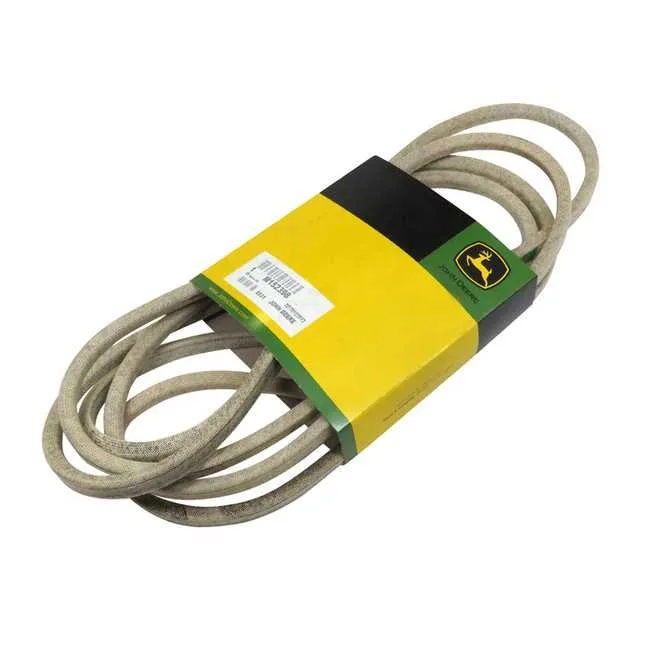
John Deere mower belts are engineered with specific materials that ensure longevity and performance in various mowing conditions. Most mower belts are made from high-quality rubber compounds reinforced with synthetic fibers, providing both flexibility and strength to resist wear and tear. These materials allow for smooth operation and prevent stretching, ensuring your mower works efficiently for longer periods.
Polyester and Kevlar are commonly used in John Deere mower belts. These fibers offer increased resistance to heat and abrasion, reducing the risk of belt failure. Kevlar, in particular, enhances the belt’s tensile strength, making it more durable under high-stress conditions like thick grass or rough terrain. These materials help the belt maintain its shape, providing consistent performance and preventing it from slipping or breaking under load.
Durability is a key feature of John Deere mower belts. With proper maintenance, these belts can last for several mowing seasons. Regular inspection for signs of wear, such as cracks or fraying, helps prevent unexpected breakdowns. Keeping the belt properly tensioned and ensuring it remains clean of debris will also extend its life.
- Check the belt regularly for visible damage like cracks or excessive wear.
- Ensure proper tension to avoid unnecessary stress on the belt.
- Clean the mower deck and belt area to remove grass clippings and debris.
Choosing the right replacement belt that matches the specifications for your John Deere model ensures optimal performance. Always refer to the manufacturer’s recommendations for the correct part number and material type to maintain your mower’s efficiency and longevity.
Step-by-Step Guide to Replacing a John Deere Mower Belt
First, disconnect the mower’s battery to avoid any accidental start-ups during the repair process. This simple step ensures your safety when working on the machine.
Next, raise the mower deck to its highest setting to give yourself enough room to work comfortably. Use a jack if needed to secure the deck at the proper height.
Locate the belt tensioner and release the tension on the belt. This is usually done by using a socket wrench to move the tensioner pulley away from the belt. Carefully slip the belt off the pulleys, starting from the drive pulley and moving towards the engine pulley.
Remove the old belt from the mower deck and dispose of it. Take the new belt and route it around the pulleys following the same path as the old one. Make sure the belt is properly aligned with all the pulleys and that it sits snugly in the grooves.
Reattach the belt tensioner by pulling the pulley back into place and securing it with the socket wrench. Ensure the belt is tight, but not too tight, to prevent excessive wear.
Double-check the belt’s alignment and make sure it runs smoothly along the pulleys. Turn the mower by hand to test for any friction or misalignment.
Reconnect the battery and test the mower at low speed. Observe the belt in operation to ensure it functions properly without slipping or making any unusual noise.
If everything runs smoothly, lower the mower deck back into its working position. You’ve now successfully replaced the belt on your John Deere mower! Regularly inspect the belt to keep your mower running efficiently.