770 John Deere Grader Specifications and Features Detailed Overview
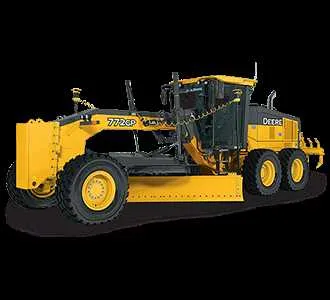
The 770 John Deere grader stands out for its ability to handle heavy-duty grading tasks with precision. Its engine, a 6.8-liter, 6-cylinder diesel, delivers robust power to tackle tough terrain, with an impressive 175 horsepower that allows for smooth operation even under demanding conditions. Equipped with a Powershift transmission, this grader ensures seamless shifting between gears, giving operators control over the machine’s speed and responsiveness.
With a moldboard width of 12 feet, the 770 is ideal for larger grading projects. The machine’s advanced hydraulics allow the blade to be adjusted quickly and accurately, ensuring consistent surface grading. The 12-volt electrical system and enhanced operator controls contribute to ease of use, making the grader suitable for both new operators and experienced users.
Operator comfort is prioritized with a fully enclosed cab, air conditioning, and ergonomic controls. The spacious cab design provides excellent visibility, which is crucial for maintaining accuracy in grading. The machine’s overall durability is another standout feature; built with high-strength materials, it can withstand harsh working conditions over time without sacrificing performance.
770 John Deere Grader Specs
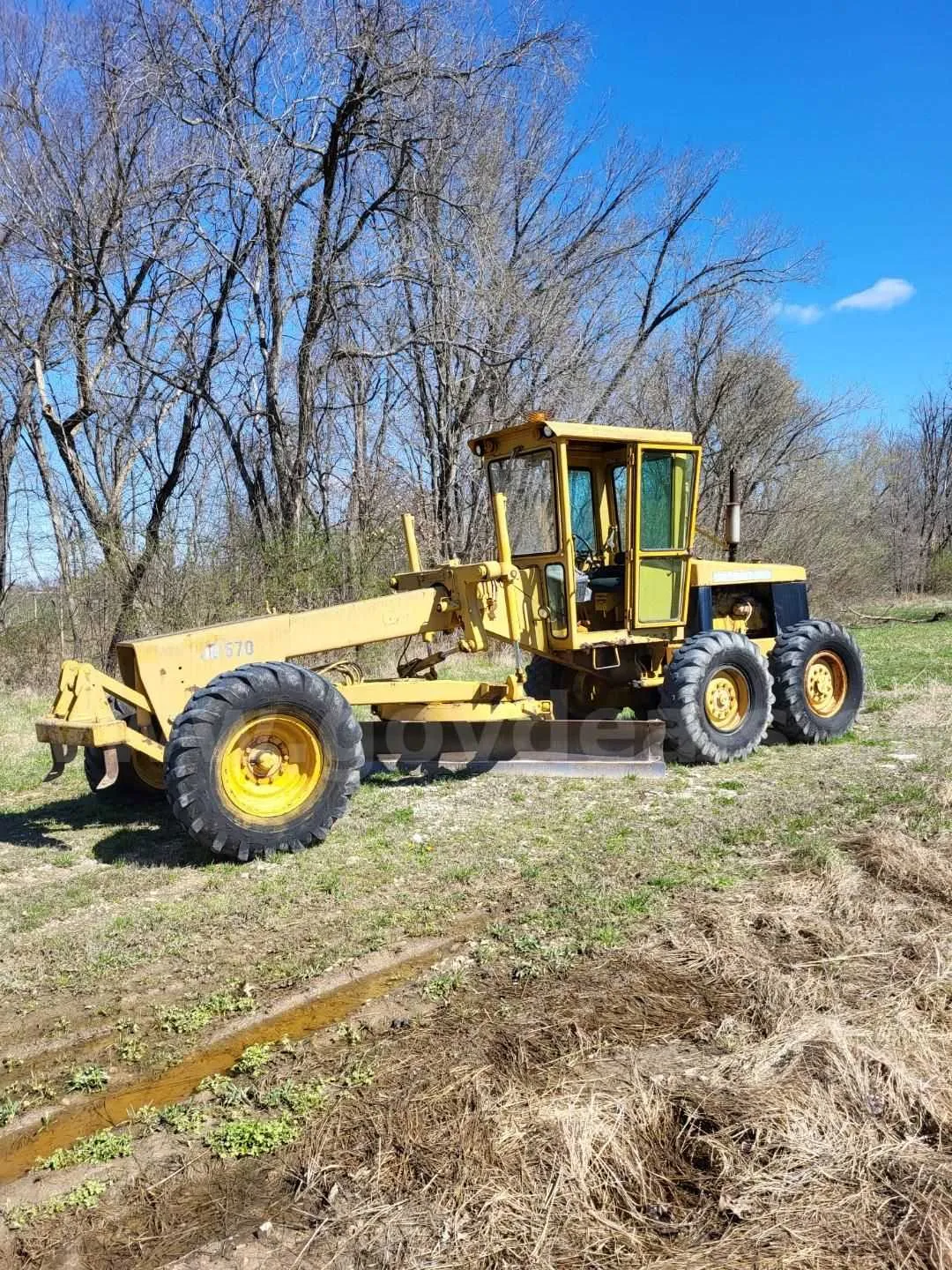
The John Deere 770 Grader provides solid performance in road maintenance and construction with its robust design and powerful engine. Below are the key specifications that define its capability and versatility.
- Engine: Powered by a 6.8L, 6-cylinder, turbocharged diesel engine with a net power of 140 horsepower (104 kW).
- Operating Weight: The 770 grader has an operating weight of approximately 14,400 kg (31,750 lbs), offering a solid balance of power and control.
- Maximum Speed: It can achieve a maximum speed of 37 mph (60 km/h), making it efficient for travel between job sites.
- Blade Length: The standard moldboard length is 12 feet (3.66 meters), ensuring effective grading over wide surfaces.
- Hydraulic System: Features an open-center hydraulic system with a flow rate of 40 gpm (151 L/min), providing smooth and efficient blade adjustments.
- Fuel Capacity: With a fuel tank capacity of 160 gallons (606 liters), the grader offers extended operational hours without frequent refueling.
- Transmission: Equipped with a fully automatic transmission with powershift capabilities, providing smooth shifting and enhanced control during grading.
- Turning Radius: The 770 model has an impressive minimum turning radius of 16.4 feet (5 meters), allowing it to operate efficiently in tight spaces.
- Cab Features: The operator’s cab is designed for comfort, featuring air conditioning, ergonomic controls, and excellent visibility to improve productivity and safety on the job.
The 770 John Deere Grader combines power, comfort, and versatility, making it a reliable choice for a variety of grading tasks. Its specs ensure both performance and durability, whether for heavy-duty operations or fine grading work.
Engine Specifications and Power Output of the 770 John Deere Grader
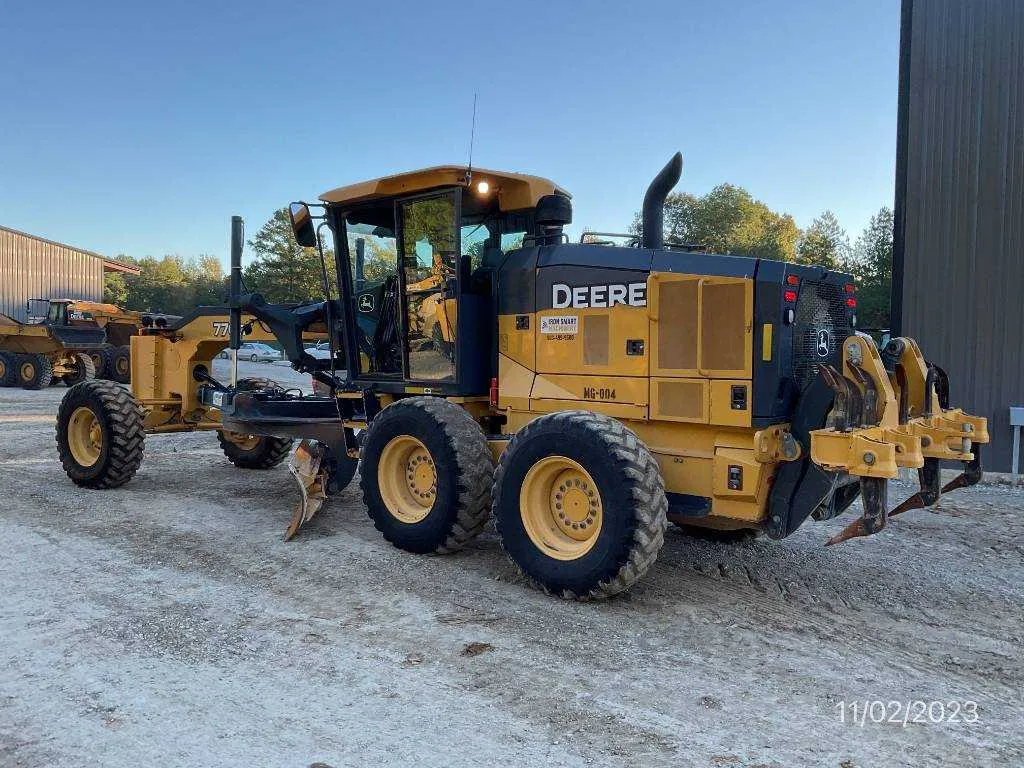
The 770 John Deere Grader is powered by a robust 6.8L PowerTech engine, delivering 155 horsepower (116 kW). This engine is built to handle demanding tasks, providing the necessary torque and reliability for construction and maintenance operations.
The engine uses a turbocharged design, which enhances fuel efficiency and ensures consistent power output even under heavy loads. It operates at a rated RPM of 2,000, maximizing performance across a wide range of operating conditions.
Fuel efficiency is a key advantage, with the engine optimized for long hours of operation without sacrificing power. The 770 John Deere Grader achieves low fuel consumption rates while maintaining its full operational capabilities, making it a practical choice for cost-conscious operators.
To further support its performance, the engine is paired with a closed-loop cooling system that keeps temperatures stable, preventing overheating during extended use. This feature is critical for maintaining engine longevity and minimizing downtime.
Operators will appreciate the smooth power delivery and responsive acceleration, making the grader highly maneuverable and efficient in a variety of environments.
Hydraulic System Performance and Capabilities
The hydraulic system of the John Deere 770 Grader delivers superior performance, ensuring smooth and reliable operation in demanding conditions. With a hydraulic pump that provides up to 34.7 gpm (131.6 L/min) at maximum pressure, it allows for fast response times and efficient operation of all implements.
It is equipped with a high-flow hydraulic system that operates at a pressure of 3,000 psi (20,684 kPa), providing exceptional lifting and pushing force. This enables precise control over blade and ripper functions, making it suitable for heavy-duty grading tasks. The system also ensures minimal energy loss, maximizing machine output with reduced fuel consumption.
The load-sensing hydraulics adjust flow automatically based on load demands, which improves efficiency and response time while preventing system overloading. Whether moving earth, leveling roads, or handling tougher materials, the hydraulics offer the power needed to get the job done.
Additionally, the John Deere 770 Grader is designed with a dual-circuit system that provides enhanced safety and redundancy. If one circuit fails, the other can maintain operation, minimizing downtime and ensuring continued productivity. The hydraulic tank has a capacity of 25.4 gallons (96 L), allowing for extended operation before the need for fluid replenishment.
In terms of versatility, the hydraulic system can be easily adjusted to meet specific task requirements. The control valves offer precise modulation, making it easy to fine-tune blade angle, elevation, and side shift without unnecessary delays.
Maintenance Requirements and Service Intervals for the 770 John Deere Grader
Change engine oil every 250 hours or as per the manufacturer’s recommendation, whichever comes first. Use high-quality, recommended oil to prevent excessive wear on the engine. Regularly inspect the oil filter and replace it alongside the oil to ensure optimal engine performance.
The hydraulic system requires attention every 500 hours. Replace the hydraulic fluid and inspect all hoses and connections for any signs of wear or leaks. Regular checks of the hydraulic filter will help prevent system malfunctions and extend its life.
Air filters must be checked and cleaned every 100 hours in dusty conditions, or every 500 hours under normal usage. If necessary, replace the air filter to prevent contaminants from entering the engine and compromising performance.
Inspect the cooling system every 250 hours. Check the coolant level and condition, and replace it every 2,000 hours. Ensure the radiator fins are clean and unobstructed to maintain efficient engine temperature management.
Grease the grader’s pivot points and other moving parts at least every 10 operating hours. Pay special attention to the moldboard, blade, and articulation joints. Keeping these areas well-lubricated reduces wear and tear and ensures smooth operation.
The transmission oil should be checked every 500 hours, and it’s advised to replace the transmission fluid and filter every 1,000 hours or after 12 months of operation. This helps maintain shifting performance and prevents transmission damage.
Inspect tires and the undercarriage regularly for wear. Tire pressures should be checked before each use, adjusting as needed for optimal performance. Replacing worn tires ensures better grip and stability, crucial for effective grading operations.
Perform a full inspection of the machine’s steering and suspension system every 1,000 hours. Check all joints, bearings, and linkages for any signs of damage or wear and replace components as necessary to maintain precise handling and control.