John Deere Gator 825i Compression Specifications and Performance Details

The John Deere Gator 825i is equipped with a 812cc, 3-cylinder engine that delivers reliable power and performance. When considering the compression specifications for this model, the standard range is 150 to 170 psi. This range ensures optimal engine function, providing sufficient pressure for the combustion process. Regular monitoring of compression helps in maintaining engine efficiency and preventing unnecessary wear.
To maintain peak performance, it’s recommended to check compression every 300-400 hours of operation, or sooner if you notice any issues with starting, power loss, or rough idling. If the compression falls outside the normal range, it could indicate a problem with the piston rings, valves, or cylinder head. Addressing compression issues early can prevent more significant engine damage down the line.
During a compression test, ensure that all spark plugs are removed and the throttle is fully open. This allows the engine to turn over freely, giving an accurate reading. If the readings are lower than expected, you may need to adjust or replace parts such as the cylinder head gasket or valve seals to restore proper compression levels.
John Deere Gator 825i Compression Specs
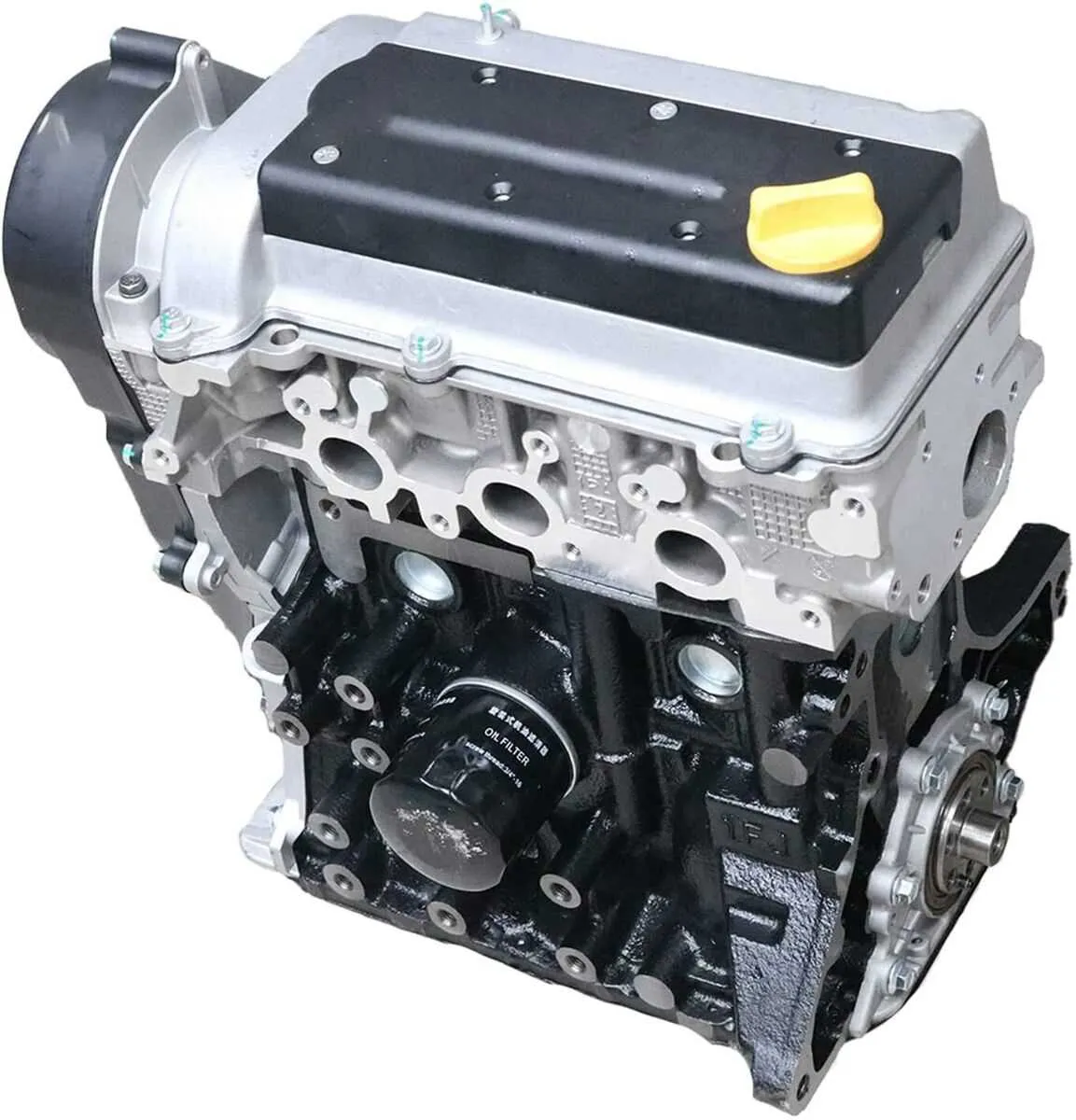
The John Deere Gator 825i has a compression ratio of 10:1, offering a solid balance between power and efficiency for various tasks. The 4-stroke, 812cc, 3-cylinder engine is designed for durability and optimal performance under different conditions. The specific compression readings ensure smooth engine operation, especially during high-load situations.
When testing compression, the readings typically range between 150 to 175 PSI. These values indicate a healthy engine, with any significant deviation suggesting potential issues, such as worn piston rings, cylinder heads, or valves. It’s recommended to perform a compression test at regular intervals to ensure the engine’s longevity and avoid costly repairs.
For a more accurate assessment of the engine’s health, use a reliable compression tester and ensure that the engine is at operating temperature before taking measurements. If compression readings fall below the normal range, it’s advisable to check for air leaks or examine the valve seals and head gaskets for signs of wear.
Regular maintenance, including keeping the air filter clean and using quality fuel, can help maintain the engine’s compression over time. Additionally, ensuring proper oil levels and timely oil changes will aid in keeping the internal components well-lubricated, further preventing premature wear and tear.
| Specification | Value |
|---|---|
| Engine Type | 4-stroke, 3-cylinder, 812cc |
| Compression Ratio | 10:1 |
| Compression Range | 150-175 PSI |
| Oil Type | 10W-30 |
| Oil Capacity | 2.4 liters (2.5 quarts) |
Understanding the Compression Ratio of the John Deere Gator 825i Engine
The John Deere Gator 825i engine features a compression ratio of 9.0:1. This specific ratio is designed to provide a balance between power, fuel efficiency, and engine longevity. A higher compression ratio improves combustion efficiency, increasing horsepower, while also reducing fuel consumption. However, this can put additional stress on engine components, so proper maintenance is crucial to maintain optimal performance.
If you’re experiencing engine performance issues, understanding the compression ratio can help diagnose underlying problems. Low compression can result in poor engine starting, misfires, or a noticeable drop in power. If compression falls below normal levels, it may indicate worn piston rings, damaged valves, or other internal issues that require immediate attention.
For regular maintenance, always use high-quality fuel that matches the engine’s specifications. The Gator 825i is optimized for 87-octane fuel, so using lower-grade fuel can lead to knocking or knocking sounds, especially at high RPMs. The compression ratio plays a key role in preventing these issues by promoting efficient fuel combustion.
When conducting a compression test on the 825i engine, you should expect a reading between 125 and 175 psi on each cylinder, depending on the engine’s condition. Significant deviation from this range could indicate problems that need to be addressed to restore performance. Make sure to follow the manufacturer’s guidelines when performing any engine diagnostics or maintenance to avoid voiding the warranty or causing further damage.
How to Check and Adjust Compression on the John Deere Gator 825i

To check and adjust the compression on your John Deere Gator 825i, follow these steps carefully:
- Gather the Tools: You will need a compression gauge, socket set, spark plug wrench, and a clean rag to prevent dirt from entering the engine.
- Locate the Spark Plug: Remove the spark plug cover and use the spark plug wrench to take out the spark plug.
- Install the Compression Gauge: Screw the compression gauge into the spark plug hole. Ensure it fits tightly to avoid leaks during the test.
- Crank the Engine: Have a helper turn the ignition key while you observe the gauge. Let the engine turn over about 5–7 times to get an accurate reading.
- Check the Compression Reading: The John Deere Gator 825i should have a compression reading of about 180–200 psi. If it’s significantly lower, it could indicate a problem like worn piston rings or a valve issue.
- Adjust Compression (If Necessary): If the compression is low, first check the condition of the spark plug. If it looks dirty or damaged, replace it. If compression remains low after replacing the spark plug, the issue may lie in the valve adjustment or piston rings, requiring more detailed engine work.
- Reassemble the Engine: Once the test is complete, remove the compression gauge and reinstall the spark plug. Tighten it securely and replace the spark plug cover.
If compression issues persist, consider consulting the Gator’s service manual or a mechanic for further diagnosis. Regularly checking compression can help prevent engine problems and ensure optimal performance.
Common Compression Issues and Solutions for the John Deere Gator 825i

Low compression in the John Deere Gator 825i often points to worn-out piston rings or a damaged cylinder head gasket. To fix this, first check the compression using a gauge. If the readings are below 100 PSI, inspect the rings and piston for wear. Replacing the rings may restore proper compression.
If compression is uneven across cylinders, the issue might lie in the cylinder head. Cracked heads or improperly torqued bolts can lead to air leaks. Inspect the head for cracks and re-torque the bolts to the manufacturer’s specifications. In some cases, replacing the gasket will resolve this issue.
Another common cause is a stuck or malfunctioning valve. If a valve fails to seal properly, compression will drop. Check the valves by performing a leak-down test to determine if they’re sealing well. Cleaning or replacing the valve seats could resolve the problem.
In some cases, the problem could be related to the timing. If the timing belt or chain slips, it can lead to misalignment between the camshaft and crankshaft, causing poor compression. Adjusting or replacing the timing components may fix this issue.
Lastly, poor maintenance habits, such as using the wrong oil or neglecting air filter changes, can contribute to compression loss. Ensure you’re following the recommended maintenance schedule and using the correct oil for your Gator model to prevent these issues from arising.