John Deere Break-In Oil Specifications for Optimal Engine Performance
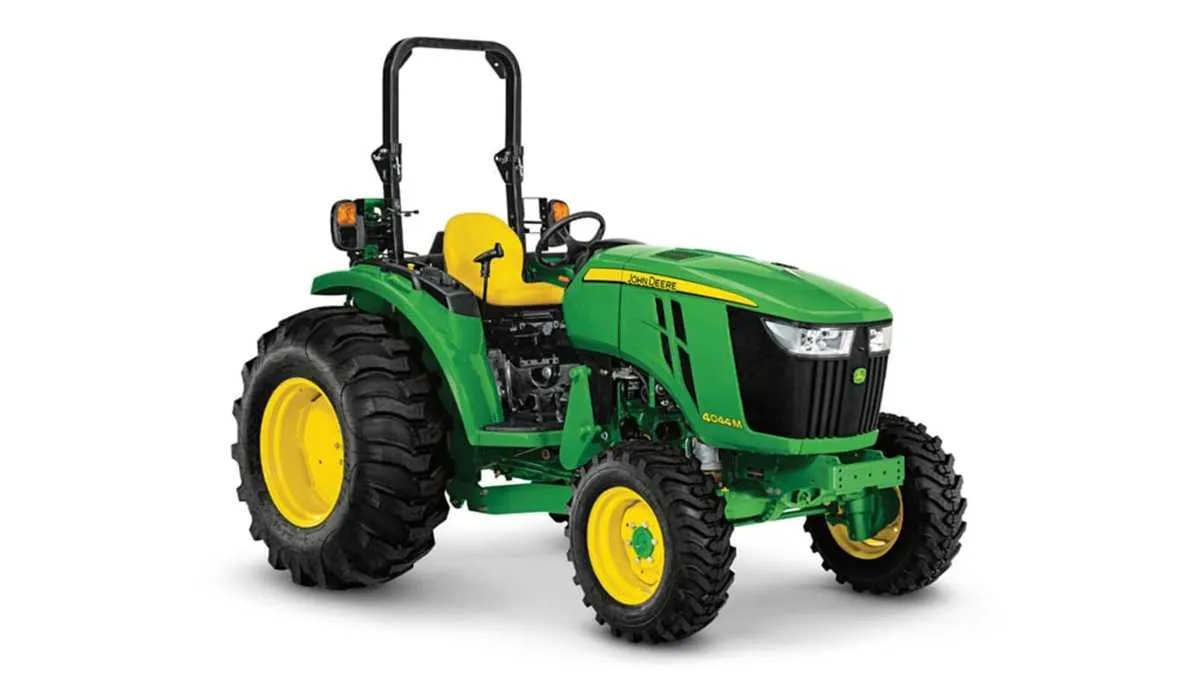
For the proper break-in of your John Deere engine, it’s important to use the recommended break-in oil. This oil ensures the engine components wear in correctly and establishes an optimal layer of lubrication. Stick with high-quality multi-viscosity oil, ideally 10W-30 or 15W-40, to meet the engine’s demands during its initial hours of operation.
The break-in oil should be changed after the first 50 to 100 hours of engine use. This change helps remove metal particles and other contaminants that accumulate during the initial run. Opt for an oil filter replacement at the same time to ensure your engine remains free of debris, supporting its long-term performance.
Always consult your owner’s manual for any specific oil recommendations for your particular John Deere model. Using the right oil during the break-in period prevents potential engine issues and guarantees the highest performance from the start.
John Deere Break-In Oil Specs

For the break-in period, use John Deere’s recommended oil, typically a multi-grade oil such as 15W-40. This ensures proper lubrication and protection during the engine’s initial hours of operation. It is crucial to use an oil that meets John Deere’s specifications to avoid premature wear and tear.
Here are the key specifications to follow:
- Viscosity: 15W-40 or as recommended in the owner’s manual
- API Classification: API CJ-4 or higher
- Oil Change Interval: Change the break-in oil after the first 50 hours of use
- Oil Filter: Replace the oil filter with every oil change during the break-in period
Always check the owner’s manual for specific recommendations for your equipment model. Regular monitoring of the oil levels and ensuring it meets the correct specifications is key to optimal engine performance during the break-in phase.
Recommended Oil Types for John Deere Engines
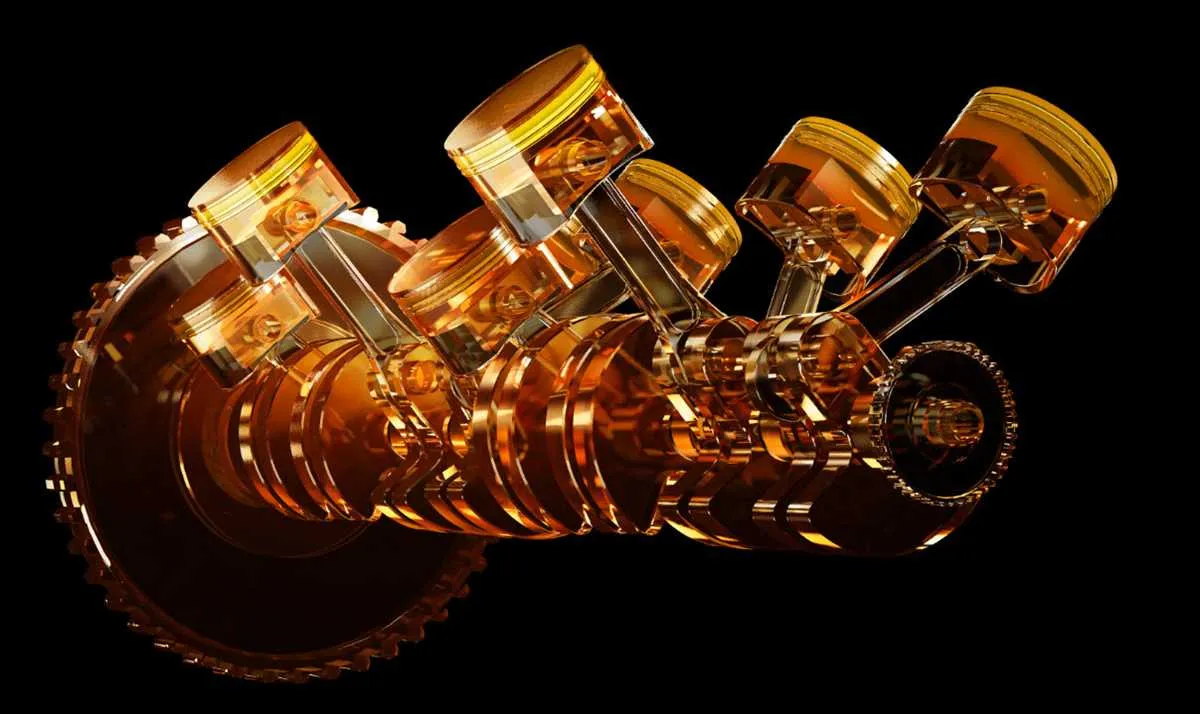
For John Deere engines, use oils that meet API service classifications such as API CJ-4, CI-4, or higher. These oils ensure proper engine protection and performance. A multi-viscosity oil like 15W-40 is highly recommended for most climates, providing efficient start-up and optimal lubrication across a wide temperature range.
For colder climates, consider using 5W-30 or 10W-30 oils to maintain engine efficiency during low temperatures. These oils flow better in cold weather, preventing wear on engine parts during startup. Always ensure the oil is suitable for diesel engines and meets the specific viscosity requirements outlined in your engine’s manual.
For better performance and longer engine life, synthetic oils or semi-synthetic blends can be a good option. These oils offer superior stability, reduce engine wear, and improve fuel economy under demanding conditions.
How to Properly Change Break-In Oil
Drain the break-in oil as soon as the recommended period or hours of operation are met. Make sure the engine is warm before draining; this helps the oil flow more easily. Place a drain pan underneath the oil pan and remove the drain plug carefully to avoid spills. Let the oil drain completely for several minutes.
After draining, replace the drain plug securely. Inspect the oil filter and replace it with a new one if necessary. Ensure the filter is properly tightened to avoid leaks.
Refill the engine with the correct type and amount of oil. Use an oil that meets the manufacturer’s specifications, ensuring it’s designed for break-in purposes. Overfill or underfill the engine can cause performance issues, so double-check the oil level after adding the new oil.
Run the engine briefly to circulate the new oil and check for any leaks around the drain plug or filter. Turn off the engine and allow it to sit for a few minutes before checking the oil level again. If necessary, add more oil until the level reaches the recommended range.
Dispose of the used oil and filter properly at a designated recycling center. This is not only environmentally friendly but also prevents any potential harm to local ecosystems.
Common Mistakes During Break-In Oil Process
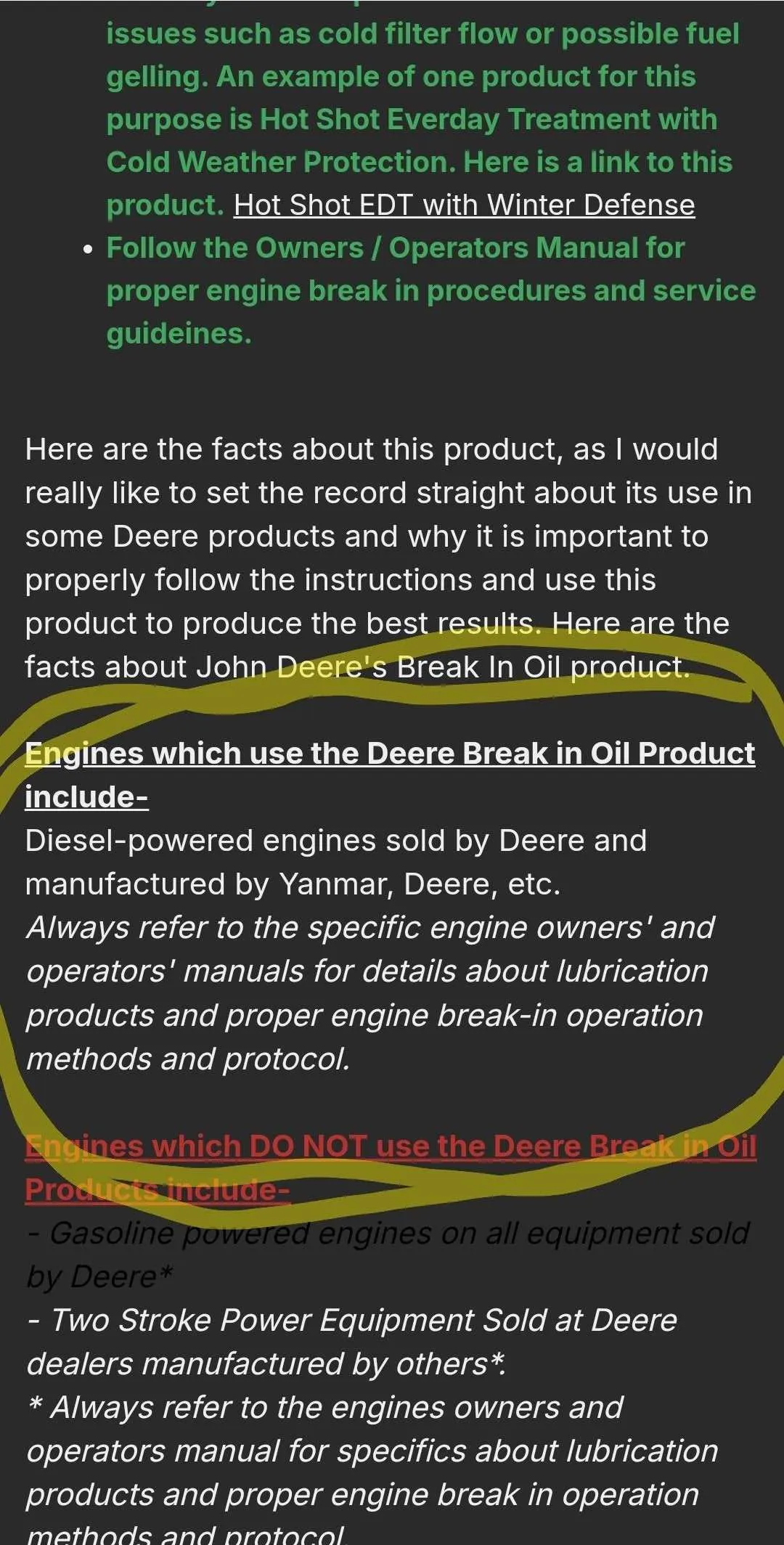
One of the most frequent errors is failing to change the oil after the initial break-in period. Many owners overlook the need for this crucial step, believing that the oil will continue to perform optimally. However, it is essential to replace it at the specified interval to remove contaminants and particles from the engine.
Another mistake is using the wrong type of oil. Some may choose an oil that doesn’t meet the required specifications for the break-in period. Always consult the manufacturer’s guidelines for the recommended oil type and viscosity, as using the wrong oil can lead to engine strain and premature wear.
Rushing the process by not allowing enough time for the oil to properly circulate and break in the engine components is another issue. Make sure the engine runs for the recommended duration before performing the oil change, as premature removal of the break-in oil can leave particles inside the engine that could damage it over time.
Many individuals also neglect the importance of monitoring oil levels during the break-in period. It is crucial to check the oil level regularly and top it off when necessary. Low oil levels can lead to engine damage, particularly during the critical break-in phase.
Skipping the proper warm-up procedure is another common mistake. The engine should be gradually warmed up to operating temperature before being put under load. Cold starts or excessive idling can result in inefficient oil circulation and increased wear on engine components.