John Deere 567 Baler Specifications and Key Features Overview
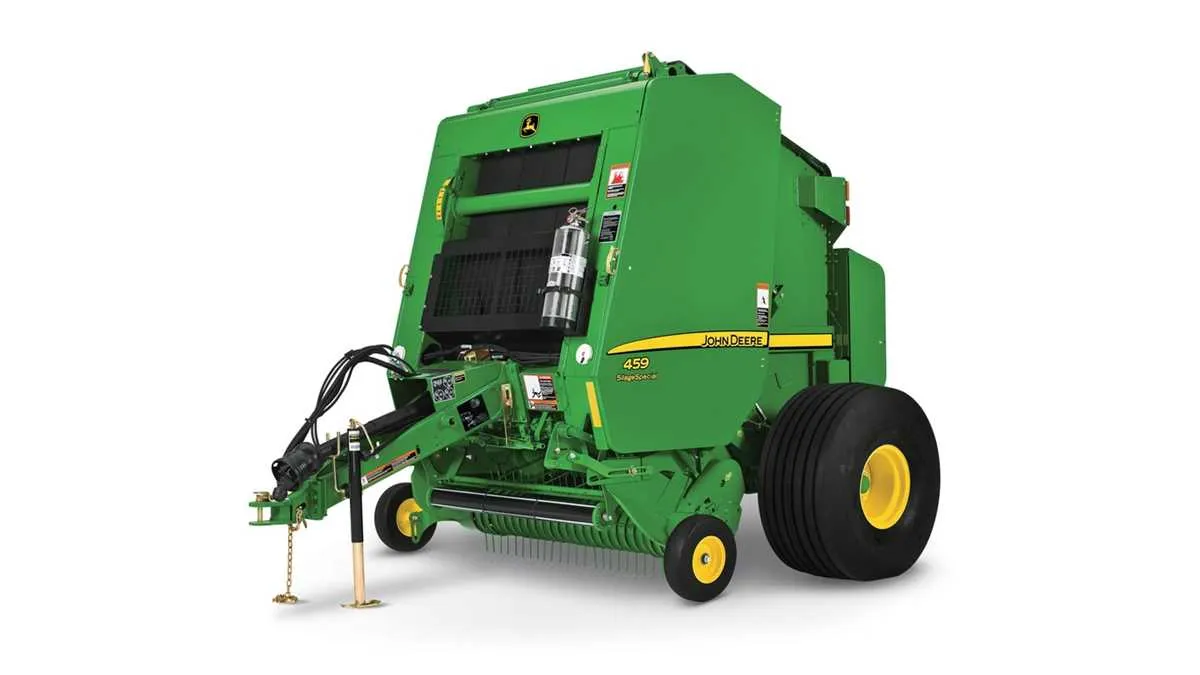
The John Deere 567 Baler delivers consistent performance for farmers and contractors. With a 5×6 bale size, it offers high-density bales that provide excellent storage and transport efficiency. The design ensures smooth operation, even in demanding conditions, enhancing productivity across different environments.
It features a reliable 540 RPM PTO drive that efficiently powers the baler, ensuring that you get the most out of each bale. The hydraulic system used for tieing bales and operating the bale chamber helps maintain operational ease with minimal maintenance needs.
With its exclusive MegaWide HC pickup, the 567 Baler efficiently collects more material from the field, reducing the number of passes needed. This model also includes an adjustable tension system that allows operators to set the desired bale density, providing versatility for different crops and field conditions.
The 567 is built with durability in mind. Its heavy-duty components, such as the durable pickup drive and strong net wrap system, ensure longevity even in challenging environments. The addition of the auto lube system reduces downtime, keeping the baler in optimal working condition with minimal intervention.
John Deere 567 Baler Specifications
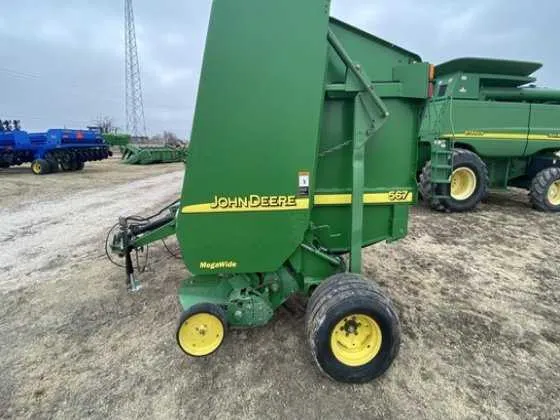
The John Deere 567 Baler offers a combination of power and precision. This model features a 5′ x 6′ bale size, ideal for handling large quantities of hay, straw, or silage with ease. The hydraulic system operates smoothly to adjust bale density and wrap, ensuring consistent results across various materials.
- Bale Size: 5′ x 6′ (1.5m x 1.8m)
- Weight: Approximately 3,700 lbs (1,678 kg)
- Power Requirement: 70-90 HP
- Maximum Bale Weight: Up to 1,200 lbs (544 kg)
- Feed System: Heavy-duty, 10-knife, pre-cut system
- Twine and Net Wrap: Dual net wrap capability
- Pickup Width: 6′ 6″ (1.98m)
- Variable Core Diameter: Adjustable from 12″ to 24″ (30.5cm to 61cm)
This baler is built with durability in mind. It features a rugged design to withstand the demands of frequent use. The 567 Baler offers precise control over bale formation and consistency, reducing downtime and maximizing productivity. Its user-friendly controls simplify operation, making it easy for operators to adjust settings on the go. With its ability to handle high-capacity bales, the John Deere 567 is a solid choice for large-scale farming operations.
Key Features of the John Deere 567 Baler
The John Deere 567 Baler excels in productivity with its ability to produce uniform, tightly compressed bales, enhancing storage and transport efficiency. It features a 5′ x 6′ bale size, ideal for a range of applications, from hay to straw. The advanced variable core system ensures consistent bale formation, while the hydraulic density control adjusts compaction levels based on crop type and field conditions.
This model uses an advanced net wrap system, which ensures reliable and quick coverage for optimal bale preservation. The patented BaleTrak™ system provides real-time monitoring and control, reducing downtime and ensuring smooth operation. Additionally, the 567 Baler’s pick-up width of 67 inches allows for faster collection, minimizing time spent in the field.
Designed for high-performance, the John Deere 567 is equipped with a reliable, high-capacity feed system that keeps the machine running without interruptions. The self-cleaning pick-up mechanism minimizes debris build-up, ensuring optimal functionality even in challenging conditions. Its heavy-duty frame enhances durability, making it suitable for long-term use in demanding environments.
Understanding Bale Size and Density Settings
Set the bale size to the desired dimensions through the machine’s control system. For consistent results, adjust the size based on the material being baled. Larger bales require more power, so monitor the tractor’s load during operation to avoid strain.
Adjust the bale density for optimal compaction. Higher density bales provide better storage and transportation efficiency, but require a balance to prevent overloading the baler. Use the density control lever to fine-tune compression based on the moisture content and type of crop.
Monitor the pressure settings regularly. Too much pressure can cause excessive wear on the machine, while too little can lead to loose bales. A well-set baler ensures uniform bale density, reducing waste and improving productivity.
For best results, calibrate the baler before each use, especially when switching between different crops or conditions. Regular calibration ensures that the bale size and density settings remain accurate and consistent.
Maintenance and Care for Optimal Performance
Check the baler’s hydraulic system regularly. Ensure all hoses are intact and free from leaks. Tighten connections to avoid pressure drops and potential failures during operation.
Lubricate moving parts like chains, bearings, and the main drive. Use the manufacturer-recommended grease to reduce wear and friction. Apply lubrication at the intervals specified in the manual for maximum longevity.
Inspect the netting and twine system for damage. Replace worn or broken components immediately to avoid operational interruptions. Keep the rollers clean to maintain proper tension and avoid unnecessary strain on the system.
Monitor the bale chamber for debris buildup. Clean the chamber after each use to prevent material blockages and improve bale consistency. Use compressed air or a hand scraper to remove stuck material.
Check tire pressure regularly. Underinflated tires can lead to uneven wear and reduced mobility. Adjust the pressure according to the specifications in the manual for optimal transport and field performance.
Examine belts and gears for wear. Replace them if you notice signs of cracking, fraying, or slippage. A well-maintained drive system ensures smooth operation and prevents costly downtime.
Lastly, store the baler in a dry, sheltered location when not in use. Exposure to moisture accelerates rust and corrosion, leading to a decline in overall performance. Keep the unit covered during storage for additional protection.