John Deere 40 Ton Rock Truck Specifications and Key Features
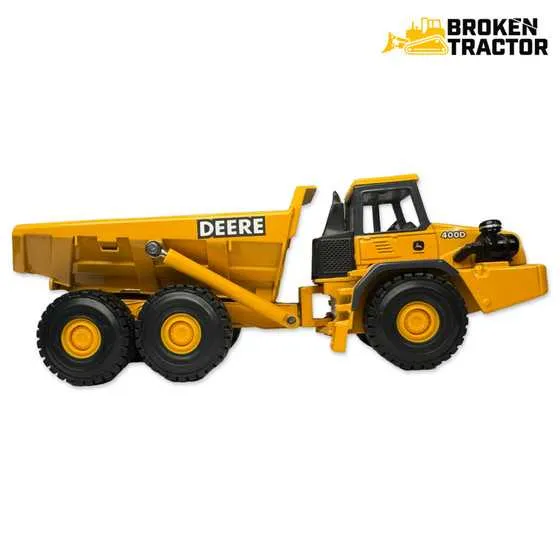
The John Deere 40-ton rock truck offers remarkable capacity and performance for heavy-duty hauling tasks. With a robust payload of 40 tons, this truck efficiently manages large materials, making it ideal for construction and mining operations.
Powered by a 6-cylinder engine, the 40-ton rock truck provides reliable output with a focus on fuel efficiency and reduced emissions. The engine is paired with an advanced transmission system designed for smooth shifting and optimal power delivery, even in the most challenging conditions.
Featuring an innovative suspension system, the truck ensures a smooth ride on rough terrains. This reduces wear and tear on the vehicle while enhancing driver comfort. The hydraulic braking system delivers precise control and responsiveness, critical for safe operations when navigating steep or uneven surfaces.
The John Deere 40-ton rock truck is equipped with a spacious and ergonomic cabin. It offers improved visibility, making the operator’s tasks easier, and the intuitive controls provide a more straightforward driving experience. This truck is engineered for high productivity, combining durability and performance to handle demanding workloads.
John Deere 40 Ton Rock Truck Specs
The John Deere 40 Ton Rock Truck offers impressive hauling capabilities with a focus on performance and durability. Its payload capacity stands at 40 tons, making it a strong contender for heavy-duty operations in mining and construction sectors. The truck is powered by a 13.5-liter engine that delivers 469 horsepower, ensuring a smooth operation even in challenging conditions.
The machine features an all-wheel drive system and has a top speed of 34 mph (55 km/h), providing a balance between power and speed for transportation over rough terrain. With an advanced suspension system, it can handle uneven surfaces while maintaining load stability. The hydraulic dump system ensures that the bed is emptied efficiently, reducing cycle time and improving productivity.
Fuel efficiency is a key aspect of the John Deere 40 Ton Rock Truck, with a fuel tank capacity of 211 gallons (800 liters), allowing for extended operations without frequent refueling. Its durable design includes a heavy-duty chassis and reinforced components, ideal for handling the stresses of continuous heavy hauling. For operator comfort, the cabin is equipped with ergonomic controls and ample visibility, ensuring both safety and ease during operation.
The truck is also designed with easy maintenance in mind. Key components are accessible for quick servicing, reducing downtime and increasing overall reliability. With a turning radius of 40 feet (12 meters), it offers great maneuverability despite its size, making it suitable for confined workspaces.
Load Capacity and Weight Distribution
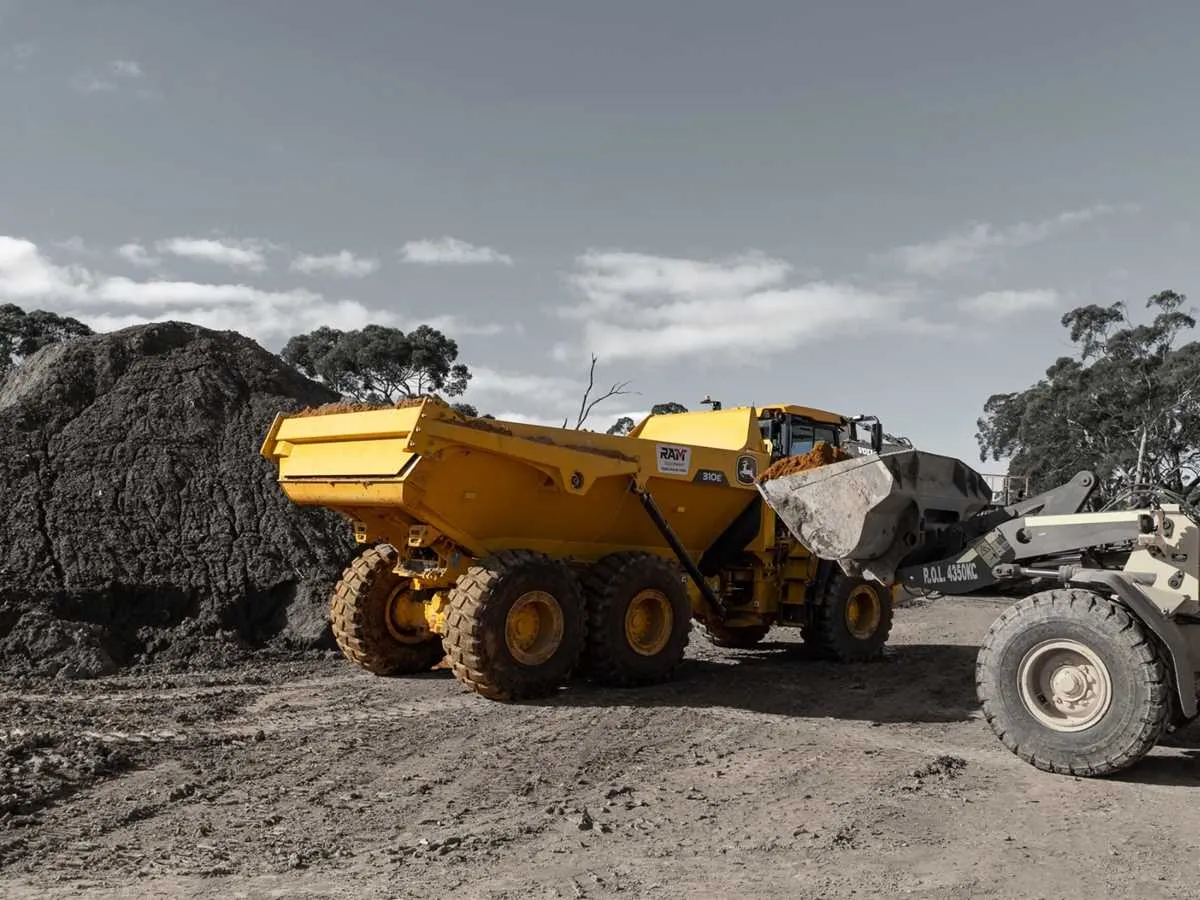
The John Deere 40-ton rock truck offers a maximum payload capacity of 40,000 kg, ensuring it can handle substantial loads in tough environments. Its design prioritizes stability, with a focus on evenly distributing the weight across the axles. The truck’s robust suspension system enhances weight balance, preventing excessive strain on any single component. This design is key to maintaining performance while carrying heavy materials.
For optimal weight distribution, load placement plays a vital role. The heaviest part of the load should be positioned centrally to avoid shifting during movement. This helps preserve the truck’s balance and minimizes the risk of tipping or damaging the chassis. Ensure that the load is spread evenly, keeping the center of gravity low to maximize control, especially when navigating rough terrain.
Pay attention to the truck’s axle ratings and load limits. Overloading the axles can lead to premature wear and reduced lifespan of critical components, such as the tires, suspension, and transmission. Adhering to weight limits ensures smoother operations and fewer maintenance issues over time.
Properly managing weight distribution also contributes to fuel efficiency. By avoiding uneven loads, the truck can operate more smoothly, reducing fuel consumption and extending the life of the drivetrain. Always ensure that weight is distributed as evenly as possible to maintain consistent power output and minimize unnecessary strain on the engine.
Engine Power and Fuel Efficiency
The John Deere 40-ton rock truck is equipped with a high-performance engine designed for heavy-duty tasks. With a robust 9.0L 6-cylinder engine, it delivers 410 horsepower, allowing the truck to handle large payloads with ease and maintain a steady pace even in tough conditions.
When considering fuel efficiency, the engine’s advanced fuel management system optimizes combustion, ensuring a balance between power output and consumption. The truck’s fuel tank capacity of 340 liters allows for long operational hours without frequent refueling, which is critical for remote or high-volume work sites.
The engine is also paired with a highly responsive transmission system, which helps maintain optimal power delivery while reducing fuel consumption. By adjusting to load conditions, the transmission minimizes wasted energy, improving fuel economy during both high-demand and cruising phases.
Additionally, the truck is designed with aerodynamics in mind, reducing drag and further enhancing fuel efficiency. Combined with an efficient braking system that recaptures energy during deceleration, the overall design supports lower fuel costs and a reduced environmental footprint.
For operators, maintaining the right engine speed and ensuring proper tire pressure can further boost fuel efficiency. Routine maintenance, such as checking air filters and fuel injectors, also contributes to preserving the engine’s power and reducing fuel use over time.
Maintenance Requirements and Durability
Regularly inspect and replace the air filters to maintain optimal engine performance. Cleaning or replacing these filters prevents dirt buildup and ensures smooth operation, especially in harsh environments.
Check the hydraulic system for leaks or pressure inconsistencies. Ensuring the system is tight and properly lubricated reduces wear on the pump and cylinders, extending their life span.
Monitor tire pressure and tread wear. Uneven tire wear or low pressure affects handling and increases fuel consumption. Rotate tires regularly to ensure even wear and replace them when the tread depth reaches a critical level.
Inspect the suspension and steering components frequently. Grease the pivot points, joints, and linkages to prevent rust and wear, especially in rough terrain.
Change the engine oil and hydraulic fluid as per the manufacturer’s recommended intervals. Using the right fluids reduces engine wear and ensures the longevity of key components.
Examine the transmission system for any signs of wear, such as grinding or unusual noises. Regular servicing of the transmission ensures smooth shifting and helps avoid costly repairs.
Pay attention to the cooling system. Regularly check the radiator, hoses, and coolant levels to prevent overheating, which can severely damage the engine.
Clean the exhaust and muffler systems to prevent buildup of carbon deposits. This ensures the engine runs efficiently and reduces the risk of overheating or poor performance.
Inspect the braking system frequently. Replace brake pads and check for fluid leaks. Proper maintenance of brakes ensures safe operation and minimizes the risk of failure under heavy loads.
Following a routine maintenance schedule will not only prolong the truck’s lifespan but also improve its reliability and performance in challenging conditions.