John Deere 323D Engine Specifications and Performance Details
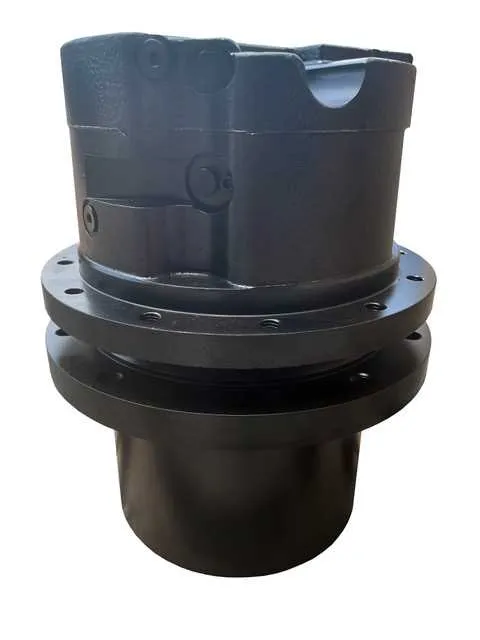
The John Deere 323D engine is designed for durability and high performance in tough working conditions. With a powerful 2.4L engine, it delivers impressive torque and efficiency. The engine’s design ensures reliable operation even in challenging environments.
For optimal performance, it’s crucial to maintain the engine’s cooling system and ensure proper fuel quality. Regular checks on the air filter and oil levels will keep the engine running smoothly and prevent costly repairs. The engine offers a maximum horsepower of 55.4 hp, making it suitable for demanding tasks on construction sites.
The 323D’s engine is equipped with a direct injection system that improves fuel efficiency and reduces emissions. The hydraulic system complements the engine, providing consistent performance and power output. Always follow manufacturer guidelines for fluid changes to maintain the engine’s longevity and efficiency.
John Deere 323D Engine Specifications
The John Deere 323D features a powerful 4-cylinder engine designed for optimal performance and reliability in demanding applications. The engine provides strong torque and efficient fuel consumption, ensuring both productivity and cost-effectiveness. Below are the key specifications of the 323D engine:
| Specification | Details |
|---|---|
| Engine Model | John Deere 4024T |
| Displacement | 2.4 L (146 cu in) |
| Power Output | 60 hp (44.7 kW) @ 2,300 rpm |
| Torque | 174 lb-ft (236 Nm) @ 1,500 rpm |
| Fuel System | Electronic Fuel Injection (EFI) |
| Cooling Type | Liquid Cooled |
| Emissions | Meets Tier 4 Final Standards |
| Compression Ratio | 17.0:1 |
This engine delivers consistent power and exceptional fuel efficiency, making the 323D ideal for various applications, including construction and landscaping. The engine’s design ensures minimal maintenance and long-term durability, enhancing productivity on the job site. With a liquid cooling system, it maintains optimal operating temperatures, even during intense workloads.
The electronic fuel injection system contributes to smoother engine operation and more precise fuel delivery, ensuring better performance across different load conditions. The John Deere 323D engine is engineered to provide reliable power for a variety of tasks while adhering to environmental standards.
Engine Power and Performance Details
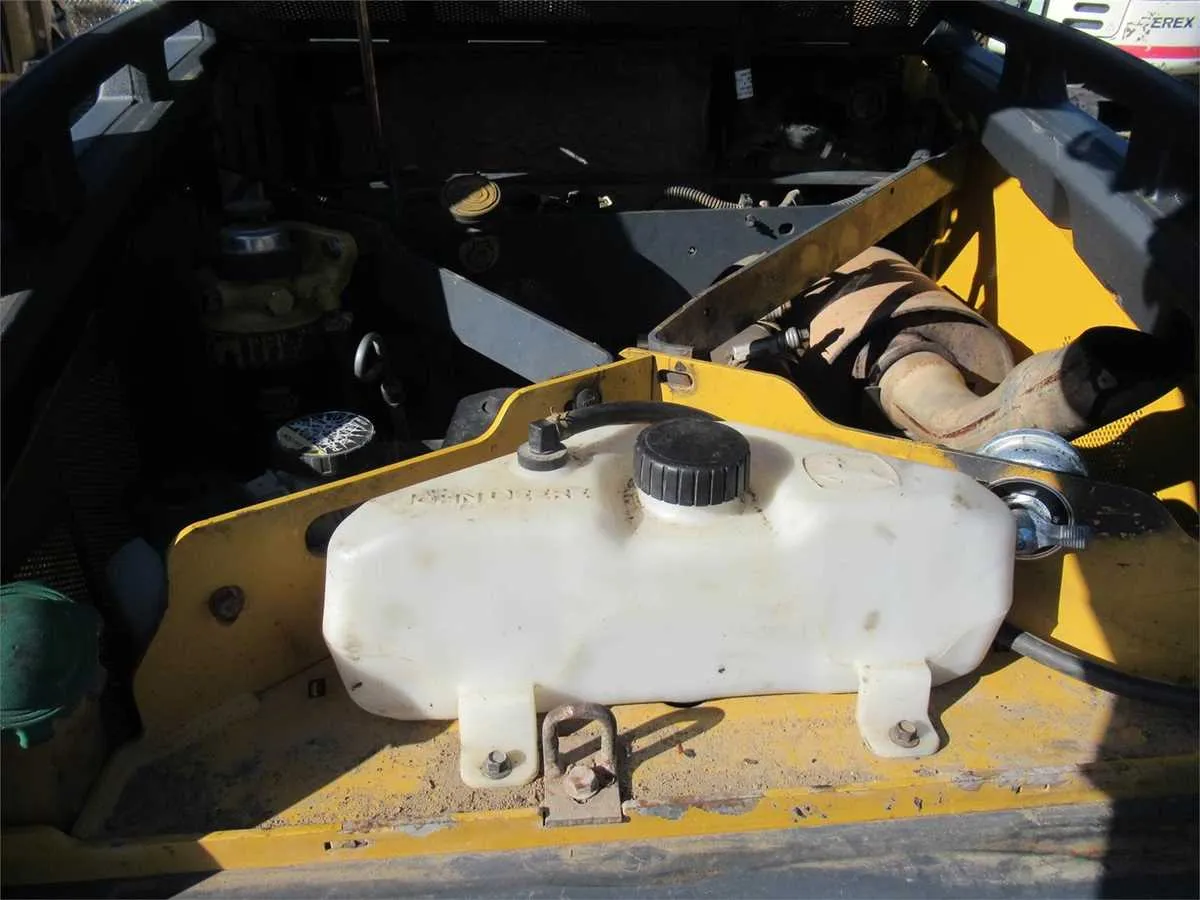
The John Deere 323D is equipped with a 2.4L, 4-cylinder diesel engine. This engine produces a maximum horsepower of 74.3 HP (55.4 kW), ensuring robust performance for various heavy-duty tasks. The engine is paired with a hydrostatic transmission, offering smooth power delivery and optimal fuel efficiency.
Operating at a peak torque of 238 Nm at 1,400 rpm, the engine provides consistent and reliable performance even under demanding conditions. The cooling system is designed to maintain optimal engine temperatures, preventing overheating and ensuring longevity during extended operations.
With a total displacement of 2.4 liters, this engine provides a balance of power and efficiency. The John Deere 323D engine is also designed with minimal vibration, enhancing operator comfort while reducing wear on internal components.
For performance in different conditions, the engine integrates a direct fuel injection system, enhancing fuel atomization and improving combustion efficiency. This system ensures better throttle response and reduced emissions, making the 323D suitable for both indoor and outdoor applications.
Maintenance is straightforward, with easily accessible components and a user-friendly layout for routine checks and servicing. Keep the engine well-maintained to ensure optimal power output and extend the operational lifespan of your John Deere 323D.
Fuel System and Efficiency Metrics
The John Deere 323D engine features a high-performance fuel system designed to optimize combustion and maximize fuel efficiency. With its direct fuel injection system, the engine delivers precise fuel control for better combustion efficiency. This allows the engine to run cleaner, reducing fuel consumption while maintaining optimal power output.
Fuel efficiency is also enhanced by the use of a precise fuel management system, which adjusts fuel flow based on load conditions, ensuring that fuel is used as effectively as possible. The system’s design minimizes waste, leading to lower operational costs and longer intervals between refueling. The 323D typically offers impressive fuel efficiency, achieving up to 15% better fuel consumption compared to older models in similar categories.
In terms of operational metrics, the 323D is equipped with a fuel tank capacity of 60 liters (15.85 gallons), allowing for extended working hours without the need for frequent refueling. Additionally, the engine’s fuel return system ensures that any unused fuel is efficiently recycled, further contributing to overall efficiency and reducing emissions.
Regular maintenance, such as cleaning the fuel filter and checking the fuel injectors, will help sustain the fuel system’s efficiency over time, keeping the engine running smoothly and reducing the risk of clogging or fuel wastage.
Maintenance and Service Considerations
Regular maintenance of the John Deere 323D engine keeps the machine running smoothly and prolongs its service life. Follow these key recommendations to maintain engine performance:
- Engine Oil: Replace the engine oil every 250 hours or as specified in the operator’s manual. Use high-quality oil suited for the working environment and temperature range.
- Oil Filter: Change the oil filter at every oil change to prevent contaminants from entering the engine and reducing its efficiency.
- Air Filter: Inspect the air filter every 250 hours. Clean or replace it if clogged to maintain optimal air intake and prevent engine strain.
- Fuel System: Replace fuel filters regularly, typically every 500 hours, to ensure proper fuel flow and prevent injector clogging.
- Cooling System: Check coolant levels regularly, topping off when necessary. Flush and replace coolant every 2 years or 2,000 hours to prevent overheating and corrosion.
- Battery Maintenance: Keep battery terminals clean and check voltage regularly. Replace the battery every 3–4 years to avoid unexpected failures.
- Belts and Hoses: Inspect belts and hoses for wear every 500 hours. Replace any damaged components to prevent system breakdowns.
Be mindful of hydraulic fluid and filter changes to maintain proper hydraulic function, ensuring the machine’s lifting and digging capacities stay intact.
Follow the recommended service intervals as outlined in the operator’s manual for best results. Always use genuine John Deere parts for replacements to maintain warranty and performance standards.