Detailed Specifications of John Deere 27 Excavator
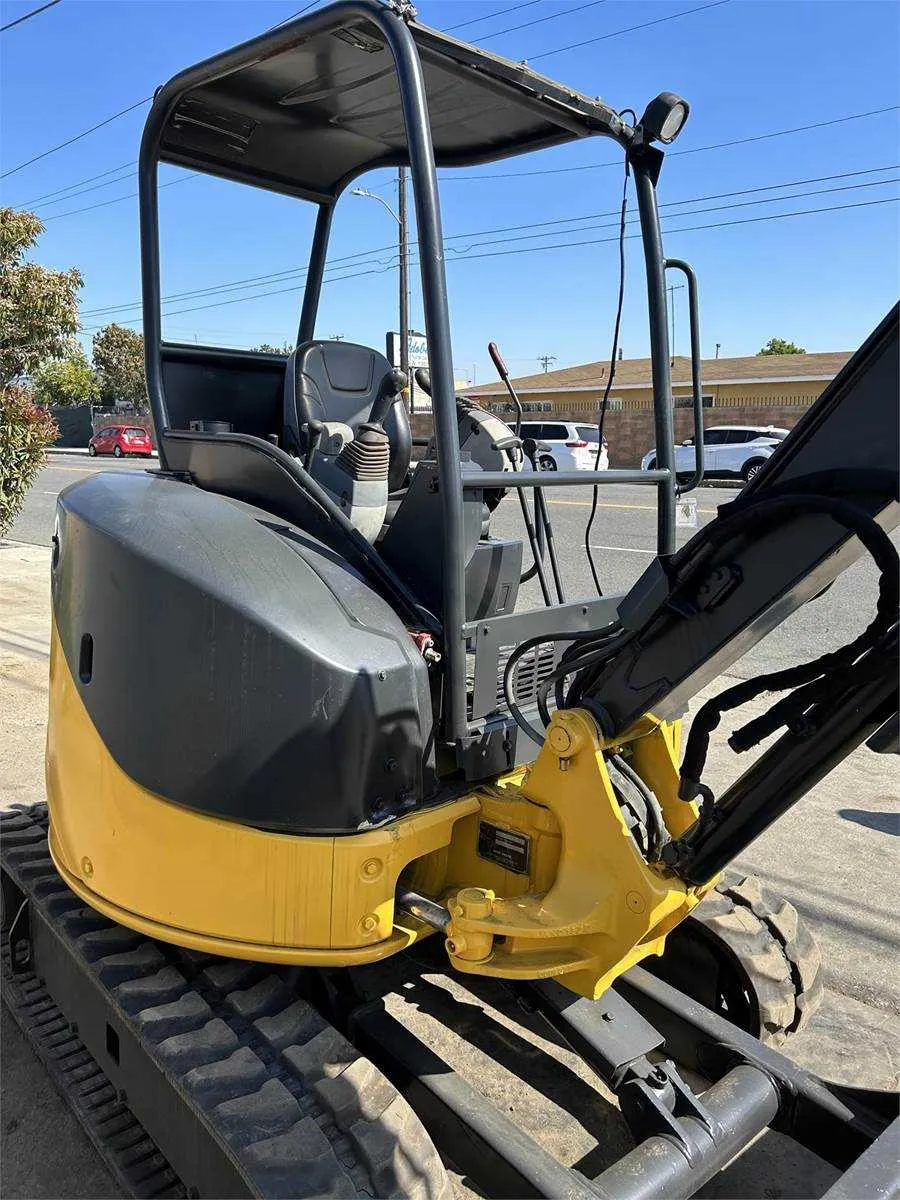
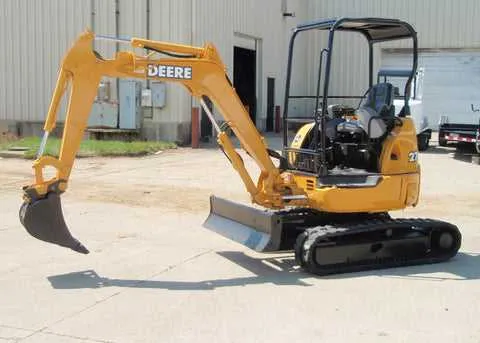
The John Deere 27 excavator provides exceptional digging power and precision, designed for compact operations in tight spaces. Its engine performance delivers reliable fuel efficiency while maintaining high output, making it a top choice for construction tasks that demand power and maneuverability.
With a digging depth of up to 2.6 meters, the 27 series is built to handle tasks in challenging environments. The hydraulic system ensures smooth operation, while the compact size allows for easy transport and setup at job sites with limited access.
The machine’s operator comfort is prioritized with ergonomic controls and a well-designed cabin, offering a safe and efficient work environment. The undercarriage design improves stability, ensuring durability even on uneven terrain. This excavator combines power with practical features for optimal performance in construction and landscaping applications.
John Deere 27 Excavator Specifications
The John Deere 27 excavator is equipped with a reliable engine that delivers power for various construction tasks. It features a 16.6 kW (22.2 hp) engine that provides consistent performance for digging and lifting operations.
For improved efficiency, the 27 model is designed with a maximum digging depth of 2.6 meters (8.5 feet). This allows operators to tackle deeper excavation projects with ease. The arm has a reach of up to 4.3 meters (14.1 feet), providing substantial reach for digging in tight spaces.
- Engine Power: 16.6 kW (22.2 hp)
- Digging Depth: 2.6 meters (8.5 feet)
- Maximum Reach: 4.3 meters (14.1 feet)
- Operating Weight: 2,760 kg (6,085 lbs)
- Bucket Capacity: 0.08 m³ (0.1 yd³)
The John Deere 27 features a compact design ideal for confined spaces. With an operating weight of 2,760 kg, it balances power and agility, making it suitable for small-scale excavation projects. Its zero-tail swing design minimizes the risk of damage in tight quarters, enhancing its versatility.
Maintenance is simplified with the well-positioned service points. Regular inspections and timely servicing help ensure the excavator’s long-term functionality and reliability in demanding environments.
For enhanced stability, the John Deere 27 comes with adjustable tracks, providing the necessary support when operating on uneven terrain. Its hydraulic system is designed for smooth operation, ensuring precise control during lifting and digging tasks.
Engine Performance and Output Details
The John Deere 27 Excavator is equipped with a powerful engine that delivers impressive performance for a variety of tasks. The engine’s output is carefully optimized to balance power and fuel efficiency, providing the ideal combination for both productivity and operational cost management.
The engine generates a peak horsepower of 24.8 kW (33.2 hp), ensuring efficient digging and lifting capabilities in tough conditions. Its design incorporates advanced fuel management, allowing for reduced fuel consumption while maintaining high torque for optimal machine performance.
Operating at an ideal RPM range, the engine allows for smooth power delivery, even under heavy load conditions. The engine’s torque is engineered to ensure that the excavator can perform efficiently, even in difficult terrains, with minimal strain on the components.
The powertrain is designed for long-term durability, incorporating heavy-duty components that withstand the rigors of daily operations. Regular maintenance of the engine, including air and fuel filter changes, is key to preserving its performance over time and preventing potential downtimes.
When operating in varying environmental conditions, the engine’s temperature management system ensures that the machine maintains optimal operating temperatures, even in extreme conditions, preventing overheating and ensuring consistent output.
Hydraulic System and Lift Capacity
The hydraulic system in the John Deere 27 excavator ensures powerful lifting and digging capabilities. It operates with precision and responsiveness, enabling the machine to perform heavy lifting tasks efficiently. With a high-flow pump, the system delivers consistent pressure to the boom, arm, and bucket, enhancing overall performance during demanding operations.
The lift capacity of the John Deere 27 is robust, making it suitable for a variety of tasks. It can lift substantial loads, thanks to its efficient hydraulic design, which allows for a smooth and controlled lift. The excavator can easily handle large materials, contributing to higher productivity during construction or demolition projects.
For optimal performance, it is crucial to regularly monitor the hydraulic fluid levels and check for any signs of wear or leaks in the system. Maintaining these elements ensures the hydraulic system’s longevity and prevents costly repairs. Regular service intervals help keep the excavator’s lift capacity at its peak, ensuring that the machine can handle its rated lifting capacity safely and efficiently.
Maintenance Requirements and Intervals
To ensure long-lasting performance of the John Deere 27 excavator, regular maintenance is crucial. The machine requires oil and filter changes every 500 hours of operation or every six months, whichever comes first.
Hydraulic system components, including the oil and filter, should be inspected every 1000 operating hours. Replace hydraulic fluid and filters if any signs of contamination or degradation are observed.
Check the undercarriage every 250 hours to prevent wear and tear. Inspect tracks, rollers, and sprockets for any signs of damage. Adjust tension as needed to ensure optimal track life.
Engine air filters must be replaced every 500 hours. Additionally, fuel filters should be checked and replaced every 500 hours of operation or as necessary based on fuel quality.
Inspect the cooling system, including the radiator and fan, after every 1000 hours to prevent overheating. Cleaning the radiator is recommended every 500 hours to maintain efficient cooling.
Periodically check the battery terminals and cables for corrosion. Clean terminals every 1000 hours or as required, and replace the battery if it shows signs of reduced capacity.
Finally, always refer to the operator’s manual for specific details on service intervals and maintenance recommendations tailored to your machine’s operational environment.