John Deere 753G Feller Buncher Technical Specifications and Features
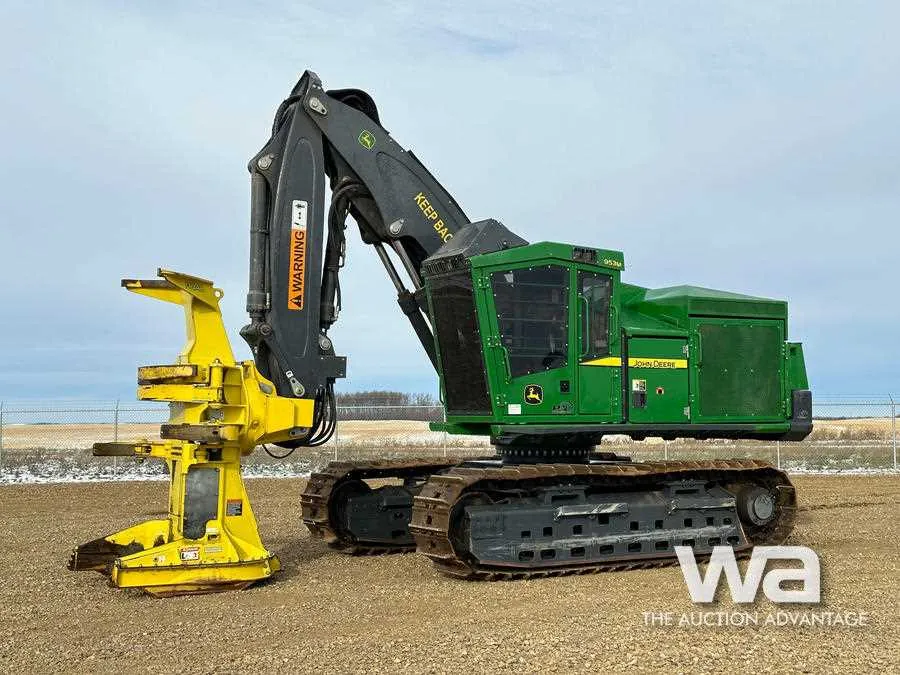
The John Deere 753G Feller Buncher is designed for high productivity in demanding logging operations. Equipped with a powerful deere 6068T engine, it delivers 173 horsepower, providing the muscle needed for continuous, heavy-duty use. This machine excels in both fuel efficiency and operational power, making it ideal for both felling and bunching tasks in challenging environments.
The hydrostatic transmission allows for smooth and precise control, improving the efficiency of each movement, even in steep terrain. Combined with the advanced boom and head design, it provides the precision necessary for quick, accurate cuts while maintaining maximum stability during operation. Operators can rely on the high-capacity hydraulic system to ensure fast cycle times for increased productivity.
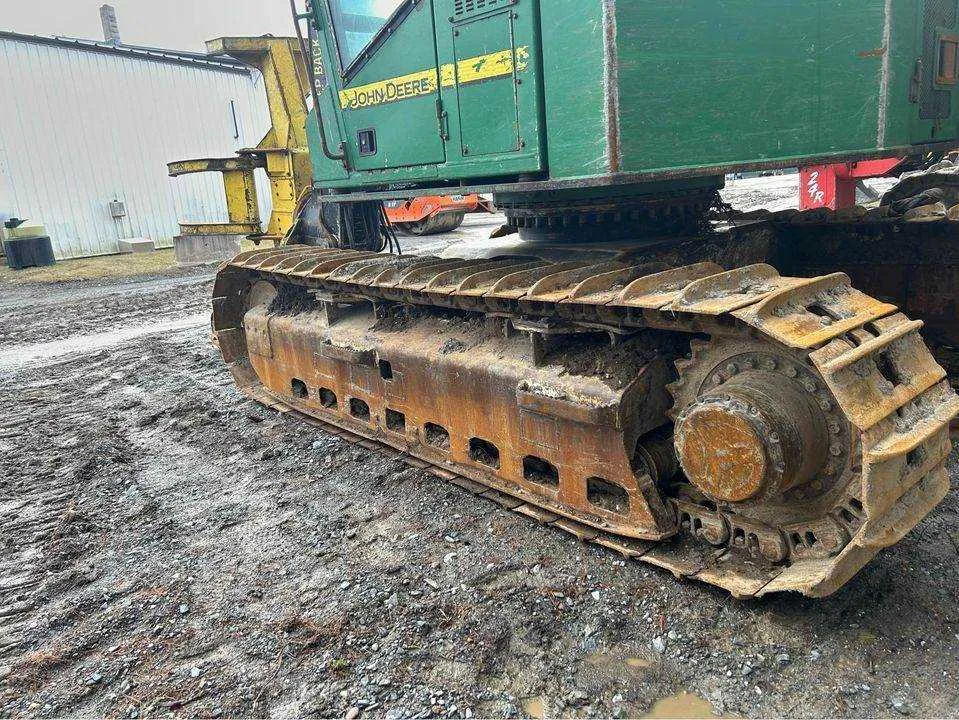
The undercarriage is designed with durability in mind, featuring robust components that withstand the harshest conditions, prolonging the service life of the equipment. With a wide stance and heavy-duty tracks, the John Deere 753G ensures superior stability, reducing ground pressure and increasing efficiency when working in soft or uneven soils.
John Deere 753G Feller Buncher Specs
The John Deere 753G Feller Buncher is built for maximum productivity and durability in tough forestry environments. With its powerful engine and advanced hydraulics, it can handle a variety of tree-felling tasks efficiently.
The 753G features a 225-horsepower engine, providing ample power for cutting and processing large timber. Its hydraulic system supports rapid cycle times, allowing operators to move trees quickly and reduce operational downtime.
The feller buncher head is designed for versatility. It offers the ability to cut and bundle trees of different sizes with minimal effort. The head also integrates multi-functional capabilities, such as delimbing and cutting, improving overall work efficiency.
The high-strength undercarriage of the 753G ensures optimal stability and traction in varied terrain. This is complemented by wide tracks that minimize ground pressure, preventing damage to sensitive soil and providing better flotation in soft ground.
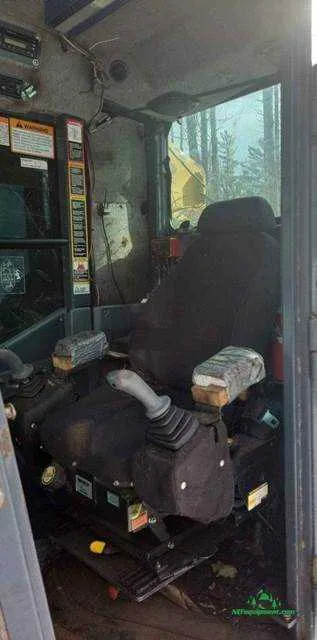
For operator comfort, the machine is equipped with a spacious, fully enclosed cab that provides excellent visibility and ergonomic controls. The advanced climate control system ensures a comfortable working environment, even during long shifts.
With a weight of approximately 23,000 kg and a maximum lifting capacity of 1,000 kg, the 753G is capable of handling a wide range of tasks. The machine’s durability and reliable performance make it a solid choice for forestry operations that demand consistent, high-output performance.
Key Performance Specifications of the John Deere 753G Feller Buncher
The John Deere 753G Feller Buncher is designed for maximum productivity in challenging forestry environments. Below are the critical performance metrics that make it a reliable choice for operators in various conditions.
| Specification | Value |
|---|---|
| Engine Power | 230 hp (172 kW) |
| Operating Weight | 37,000 lbs (16,780 kg) |
| Hydraulic Flow | 55 gpm (208 lpm) |
| Fuel Tank Capacity | 120 gal (454 l) |
| Max Travel Speed | 7.5 mph (12 km/h) |
| Ground Clearance | 18 in (457 mm) |
| Track Length | 11 ft 4 in (3.45 m) |
| Track Width | 24 in (610 mm) |
These specifications provide the John Deere 753G with the power and agility needed to handle dense forests while maintaining efficient fuel usage. The hydraulic system’s high flow rate ensures swift response for faster cutting cycles, and the operating weight allows for stability during operation on uneven terrain.
Hydraulic System and Attachments Compatibility for John Deere 753G
The John Deere 753G features a high-performance hydraulic system designed to enhance productivity and maximize attachment compatibility. With a robust hydraulic pump delivering up to 40.4 gpm (152.6 lpm) flow, the system ensures smooth operation for heavy-duty tasks. The system is equipped with a closed-center load-sensing (CCLS) system, providing precise control over hydraulic functions and minimizing energy loss during operation.
When selecting attachments for the 753G, it’s crucial to choose equipment that matches the hydraulic output capabilities. Attachments such as saw heads, grapples, and other specialized forestry tools are optimized for seamless integration with the hydraulic system. Always verify that the attachment pressure requirements align with the 753G’s hydraulic specifications to ensure optimal performance and prevent system strain.
For maximum efficiency, consider hydraulic attachments with adjustable flow settings. These attachments allow for fine-tuning the hydraulic output based on the specific needs of the job, ensuring consistent power delivery while extending the lifespan of both the machine and the attachment.
- Maximum Hydraulic Flow: 40.4 gpm (152.6 lpm)
- Hydraulic Pressure: 5,800 psi (400 bar)
- Recommended Attachments: Saw heads, grapples, mulchers, and harvester heads
- Hydraulic Couplers: Compatible with John Deere’s quick coupler system for fast attachment changes
Ensure proper maintenance of the hydraulic system by checking fluid levels and replacing filters regularly. Routine inspections help avoid overheating, fluid contamination, or component wear, maintaining the system’s efficiency over time.
Maintenance and Service Requirements for John Deere 753G Feller Buncher
Regular maintenance for the John Deere 753G Feller Buncher is crucial to maintain its performance and longevity. Keep the hydraulic system clean and inspect it for leaks. Replace filters every 500 hours of operation to ensure proper flow and minimize wear. The engine oil should be changed after every 250 hours, or as indicated by the machine’s operating conditions.
Check and clean the air filters frequently, especially in dusty environments. Clogged filters reduce engine efficiency and can lead to overheating. Inspect the cooling system regularly, ensuring that the coolant levels are adequate and the radiator is free of debris. The cooling fan should be tested every 200 hours of use.
Inspect the undercarriage and tracks every 100 hours. Any wear or damage to the tracks should be addressed immediately to prevent further issues. Lubricate the pins and bushings regularly to avoid excess friction that can lead to component failure.
The felling head requires frequent checks for wear, especially the cutting components. Replace the teeth and felling saws when they show significant wear or damage. Always monitor the hydraulic pressure of the head to ensure it operates within specified parameters.
Transmission fluid should be checked and topped off as needed. Inspect the gear systems and the drivetrain for signs of wear or oil leaks. Any unusual sounds or vibrations should be investigated immediately to avoid further damage.
Perform a full service inspection every 1000 operating hours or at the manufacturer’s recommended intervals. This includes checking all bolts, hydraulic lines, electrical connections, and structural components for signs of stress or damage. Keep detailed records of all maintenance performed to track wear and predict future needs.