John Deere HY-Guard Oil Specifications and Performance Standards
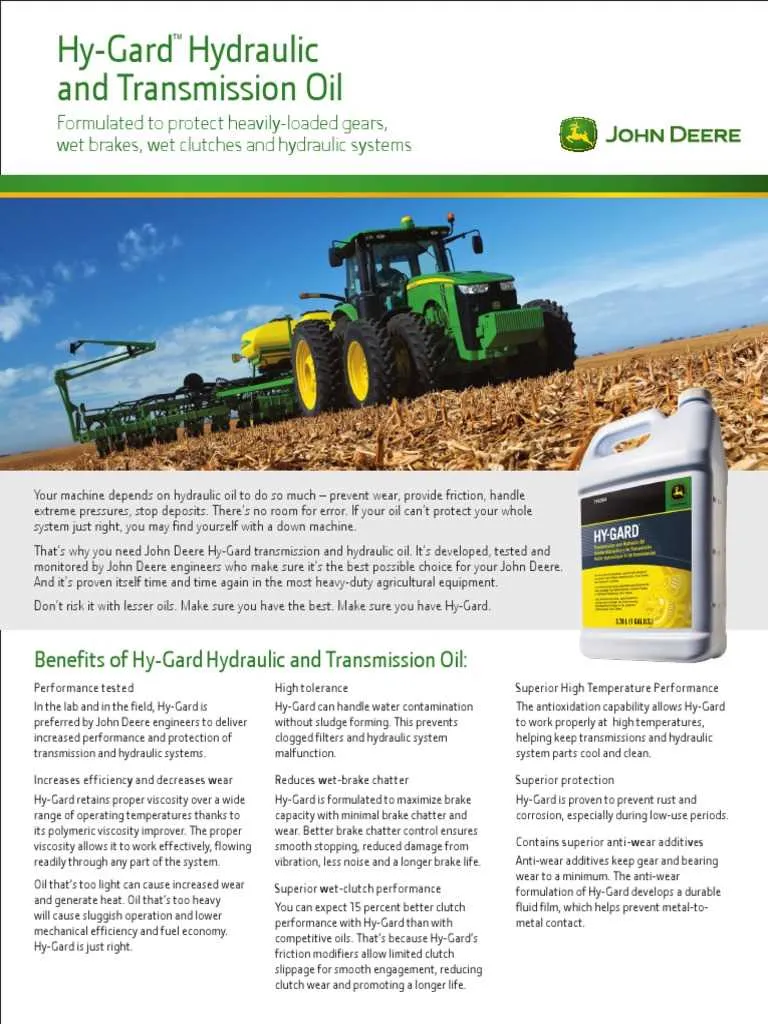
To ensure the optimal performance of your John Deere machinery, use only the recommended HY-GUARD oil. This high-performance hydraulic and transmission fluid is specifically designed for John Deere equipment to maintain smooth operation and reliability.
The recommended viscosity grade is SAE 10W-30, which suits a wide range of operating conditions. For best results, avoid mixing HY-GUARD with other oils, as this could impair its effectiveness. Always check for compatibility before use.
HY-GUARD oil meets the standards set by John Deere J20C and provides superior protection against wear and corrosion. Its unique formulation helps to prevent oxidation and ensures consistent performance under heavy loads and extreme temperatures.
John Deere Hy-Guard Oil Specifications
John Deere Hy-Guard oil is formulated specifically to meet the needs of John Deere equipment, providing optimal performance for hydraulic, transmission, and final drive systems. This fluid is recommended for tractors, combines, and other agricultural machinery requiring a multi-functional fluid.
The oil has a viscosity grade of 10W-30, designed to operate effectively under both high and low temperatures. This ensures smooth operation even in extreme conditions, offering consistent lubrication and protection across various components.
It is designed with advanced additives that provide exceptional anti-wear protection, helping extend the life of critical components such as pumps and valves. Additionally, the fluid resists oxidation and foam, ensuring stable performance and reducing the risk of system failures.
John Deere Hy-Guard meets or exceeds the performance requirements of several global standards, making it a reliable choice for machines operating in various environments. Its anti-corrosion properties protect metal parts from moisture and contaminants, keeping systems clean and reducing maintenance needs.
For best results, use John Deere Hy-Guard oil according to the manufacturer’s recommendations and maintenance schedules, ensuring that it maintains optimal fluid levels and is replaced at the appropriate intervals.
Key Properties of Hy-Guard Oil for John Deere Equipment
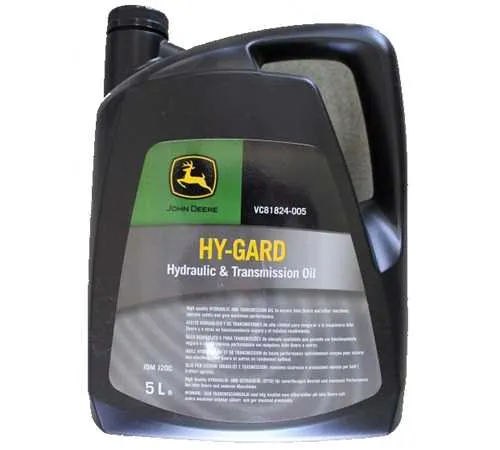
Hy-Guard oil stands out for its exceptional ability to enhance the performance of John Deere machinery. Its high viscosity index allows it to maintain effective lubrication across a broad range of temperatures. This ensures reliable operation even under harsh working conditions.
The advanced additive package in Hy-Guard oil promotes longer equipment life by reducing wear and tear on critical components. It prevents the build-up of contaminants, protecting the engine and hydraulic systems from damage. This makes it ideal for both low and high-speed operations.
Oxidation stability is another key property. Hy-Guard oil resists degradation when exposed to high temperatures, ensuring its performance remains consistent throughout extended use. This reduces the need for frequent oil changes, lowering maintenance costs and downtime.
Its anti-foam capabilities ensure that the oil remains stable even under extreme pressure. This helps maintain a consistent flow, which is crucial for the efficiency of hydraulic systems and engine components.
Additionally, Hy-Guard oil offers excellent corrosion protection. It prevents rust and corrosion in the system, helping to extend the life of metal parts, especially in humid or wet conditions.
Recommended Application and Usage Guidelines for Hy-Guard Oil
Use Hy-Guard Oil in agricultural equipment and machinery to ensure smooth operation and optimal performance. Apply the oil for transmission, differential, and hydraulic systems, following the specific capacity requirements for each model. Always check the manufacturer’s recommendation to confirm the correct oil grade and viscosity suitable for the operating environment.
For high-performance machines, regularly monitor oil levels and replace the fluid according to the service intervals outlined in the equipment’s manual. This will prevent wear and extend the life of the engine and related components. In extreme weather conditions, adjust the oil change frequency based on the environment’s demands, as high or low temperatures can affect oil performance.
Before using Hy-Guard Oil, ensure all contaminants are removed from the oil system to maintain the fluid’s integrity. Drain old oil completely, flush the system if necessary, and replace the filter to avoid any risk of cross-contamination. Always dispose of used oil responsibly according to local environmental guidelines.
When storing Hy-Guard Oil, keep it in a sealed container, away from extreme temperatures, and ensure it is not exposed to moisture. Proper storage extends the shelf life and preserves the oil’s properties. Do not mix with other oils or lubricants unless specified by the manufacturer.
Common Issues and Maintenance Tips for Hy-Guard Oil
Regularly check the oil for signs of contamination. Contaminated oil can cause clogging in filters and affect the performance of the hydraulic system. Replace the oil if it appears thick or sludgy.
Ensure that the oil level remains consistent. Low oil levels may lead to insufficient lubrication, increasing wear and reducing the lifespan of the components. Top up the oil as needed, following the manufacturer’s recommendations for capacity.
Monitor the oil’s temperature during use. High temperatures can degrade the oil faster, leading to reduced lubrication properties. If the equipment operates in hot environments, consider using an oil cooler to maintain optimal temperatures.
Replace the oil filter at regular intervals, ideally when changing the oil. Clogged filters can impede oil flow and cause excessive wear on internal components.
- Check for leaks around the oil reservoir and lines regularly.
- Perform oil changes at recommended intervals to avoid contamination buildup.
- Inspect the oil for signs of metal particles, which could indicate internal damage.
Use only the recommended additives when performing maintenance. Incorrect additives can alter the oil’s characteristics and may void any warranties on the equipment.
Lastly, always dispose of used oil properly by following local regulations. Never pour used oil onto the ground or down drains to avoid environmental contamination.