John Deere B Torque Specifications and Guidelines for Maintenance
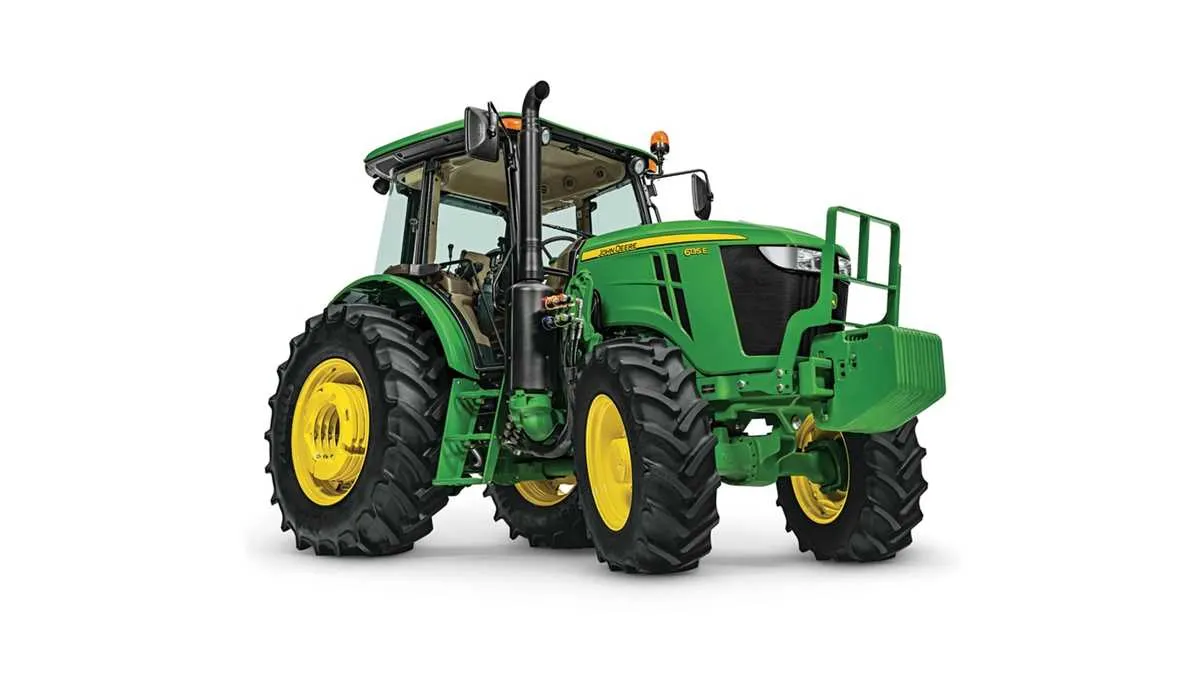
For accurate performance and durability, it’s critical to apply the correct torque specifications on the John Deere B tractor. The right torque ensures proper functioning of the engine components, prevents over-tightening, and avoids potential damage to the threads. Always use a calibrated torque wrench to meet the manufacturer’s exact requirements.
The engine block, cylinder head, and crankshaft require precise torque values for optimal compression and safe operation. Tightening these components to the specified torque avoids issues such as head gasket leaks or internal engine damage. Make sure to follow the recommended sequence and torque values to maintain the tractor’s performance.
Consult the owner’s manual for exact torque settings. Different parts of the tractor have varying requirements, and it’s important to address each with precision. Regularly check your torque settings as part of your maintenance schedule to ensure reliable engine function over time.
John Deere B Torque Specifications
The John Deere B engine requires precise torque settings for optimal performance and longevity. Ensuring correct torque values during assembly and maintenance is critical to avoid engine damage or suboptimal function.
For the cylinder head bolts, torque them to 55-60 ft-lbs in three equal steps. Begin by tightening the bolts to 30 ft-lbs, followed by 45 ft-lbs, and finish at 55-60 ft-lbs. This method ensures even pressure distribution across the head.
For the connecting rod bolts, use a torque of 30-35 ft-lbs. These bolts must be tightened progressively to avoid misalignment or failure under pressure. Ensure the bolts are not overtightened as it can cause permanent deformation.
Crankshaft pulley bolts should be tightened to 85-90 ft-lbs. These bolts help secure the pulley to the crankshaft, and proper torque ensures the pulley remains firmly in place during engine operation.
Flywheel bolts need a torque of 100 ft-lbs. Ensure the bolts are tightened in a crisscross pattern for even pressure distribution across the flywheel, which contributes to smooth engine operation.
Lastly, valve tappet bolts should be set to 40-45 ft-lbs. Proper torque on the tappet bolts guarantees the correct valve clearance and prevents improper valve operation.
Recommended Torque Values for Engine Components
For optimal engine performance and reliability, it is crucial to apply the correct torque values to each component during assembly. Below are the recommended torque values for key engine parts on the John Deere B:
- Cylinder Head Bolts: 65-70 ft-lbs (88-95 Nm)
- Connecting Rod Bolts: 35-40 ft-lbs (47-54 Nm)
- Crankshaft Main Bearings: 80-85 ft-lbs (108-115 Nm)
- Oil Pan Bolts: 12-15 ft-lbs (16-20 Nm)
- Timing Gear Bolts: 35-40 ft-lbs (47-54 Nm)
- Flywheel Bolts: 80-85 ft-lbs (108-115 Nm)
- Valve Cover Bolts: 10-12 ft-lbs (14-16 Nm)
Be sure to follow these specifications carefully and use a calibrated torque wrench for accurate measurements. Always refer to the operator’s manual for any model-specific adjustments and check the torque periodically during routine maintenance.
How to Properly Torque the Cylinder Head on John Deere B
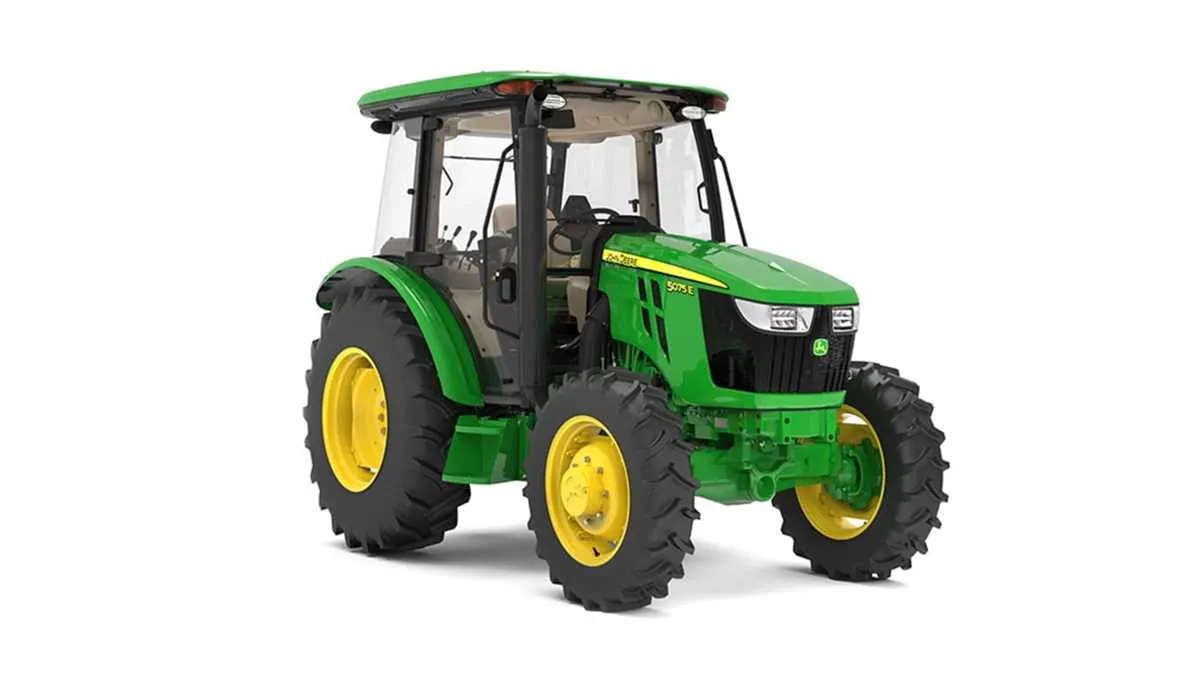
To torque the cylinder head on a John Deere B engine, begin by tightening the bolts in a specific sequence. Follow the factory-recommended torque value for each bolt to ensure proper sealing and prevent damage. For this model, the cylinder head bolts should be tightened to 55 ft-lbs (75 Nm).
Start with the center bolts and work your way outward in a crisscross pattern. This helps distribute pressure evenly across the cylinder head. Tighten each bolt gradually in several stages. First, snug each bolt to about 25 ft-lbs (34 Nm), then proceed to the final torque value of 55 ft-lbs (75 Nm).
Always use a reliable torque wrench for accurate measurements. Double-check each bolt after completing the sequence to confirm that all are properly torqued. Avoid over-tightening, as it can lead to gasket failure or warping of the cylinder head.
For the best results, replace any worn-out or damaged bolts. It’s also recommended to lubricate the threads lightly with engine oil to prevent galling and ensure smooth operation during tightening.
By following this procedure, you’ll achieve proper torque on the cylinder head, ensuring a secure seal and optimal engine performance.
Torque Settings for Transmission and Differential Parts
For the transmission assembly, tighten the main bearing caps to 45-50 ft-lb. This ensures a secure fit and optimal performance. Always check the specific torque values for different parts, such as the transmission shaft and coupling, which require 35-40 ft-lb of torque to avoid excessive stress or damage.
The differential gears require a specific setting of 60 ft-lb for the side bearings. Over-tightening can cause premature wear, so be sure to apply torque gradually to ensure even distribution. For the ring gear bolts, a torque value of 75-80 ft-lb is ideal, providing sufficient clamping force without overloading the components.
When installing the differential cover, use 20-25 ft-lb for the bolts. This ensures a proper seal while preventing warping of the cover. Tighten the bolts in a crisscross pattern to ensure an even seal around the entire cover perimeter.
Ensure the correct lubricant levels are maintained in both the transmission and differential to allow proper cooling and minimize friction. Always follow manufacturer guidelines for periodic inspection and retorquing to maintain longevity.