John Deere Hy Gard Low Viscosity Specifications and Performance
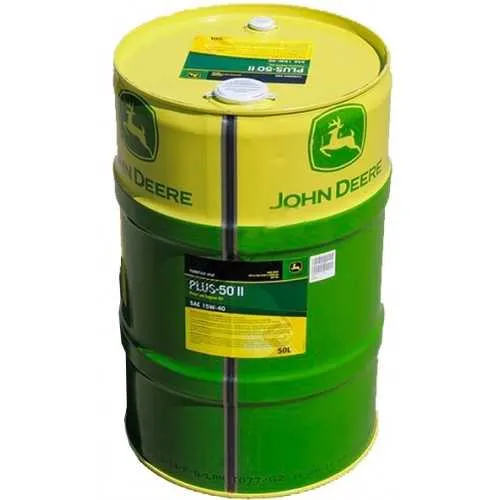
The John Deere Hy-Gard Low Viscosity fluid is designed to provide smooth hydraulic and transmission performance in cold weather conditions. Its low viscosity allows for easier starting in lower temperatures and minimizes power loss in cold environments.
With a viscosity index of 170, it ensures a stable performance range, especially in temperatures between -25°C and +40°C. The product meets John Deere’s high standards for transmission, hydraulic, and wet brake systems, offering protection against wear and oxidation. It is formulated to provide effective lubrication, even in extreme cold, maintaining operational efficiency in challenging conditions.
When choosing this fluid for your machinery, it’s crucial to consider the operating environment. Cold starts in heavy machinery can be a challenge, but Hy-Gard Low Viscosity ensures reliability with a low pour point, improving fluid flow during startup and reducing engine wear. This makes it an ideal choice for regions experiencing freezing temperatures.
John Deere Hy-Gard Low Viscosity Specs
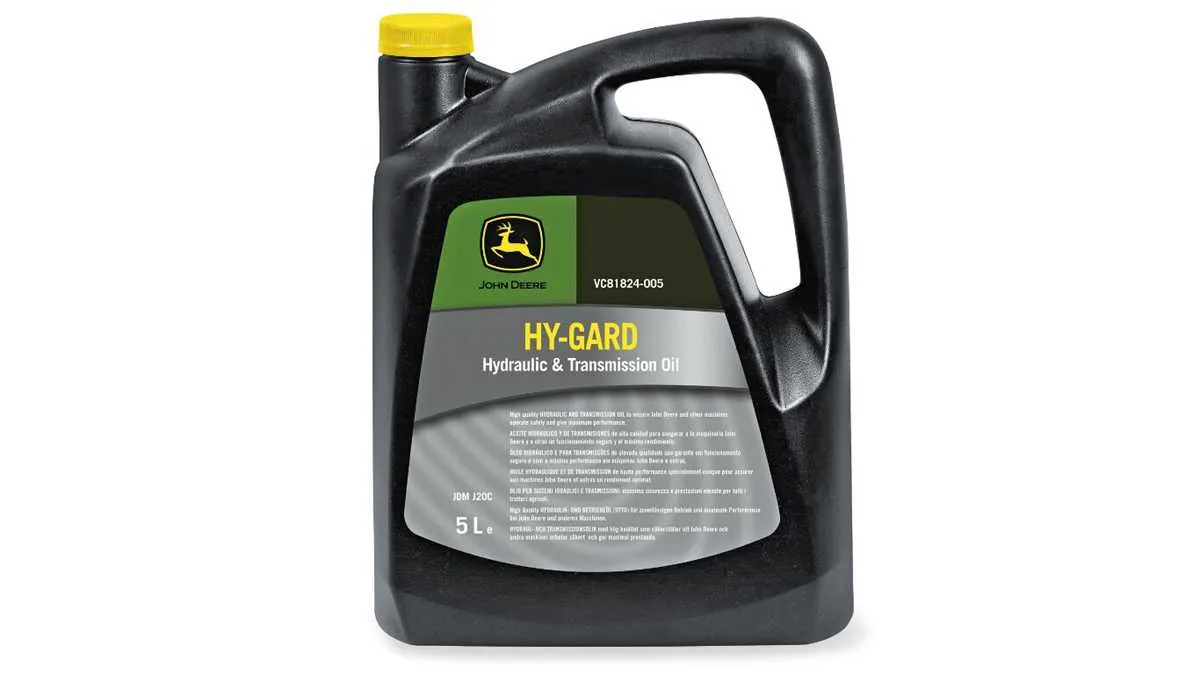
John Deere Hy-Gard Low Viscosity fluid is designed to provide superior performance in various machines. With a viscosity of approximately 10 cSt at 100°C, it ensures quick flow at lower temperatures, reducing wear on mechanical components. It is ideal for use in systems that demand low friction and fast hydraulic response. The fluid maintains excellent shear stability, which is essential in maintaining consistent hydraulic pressure under varying operational conditions.
The low viscosity characteristics of Hy-Gard fluid offer increased efficiency, as it improves fluid circulation and reduces the risk of cavitation. This is particularly beneficial in colder environments where thicker oils may struggle to circulate efficiently. For optimal performance, it is important to use this fluid in machines that operate within its recommended temperature range of -20°C to 40°C.
The fluid also meets John Deere’s stringent specifications for low foaming and corrosion protection. This makes it suitable for use in a wide variety of Deere equipment, including tractors, excavators, and combines. For best results, it is recommended to check the fluid level regularly and replace it at intervals specified by the manufacturer to maintain peak performance.
Optimal Temperature Ranges for Hy-Gard Low Viscosity
The optimal temperature range for John Deere Hy-Gard Low Viscosity is between 0°C and 40°C (32°F to 104°F). Operating within this range ensures that the fluid maintains the correct viscosity, providing reliable hydraulic performance.
At temperatures below 0°C, the fluid may thicken, reducing pump efficiency and response time. Above 40°C, the viscosity can decrease too much, potentially leading to improper lubrication and wear in critical components.
For best results, always monitor the ambient temperature and ensure the equipment operates within the recommended temperature range. If temperatures exceed this range, consider using a cooling system or selecting a different oil specification to maintain performance standards.
Comparing Hy-Gard Low Viscosity with Other Hydraulic Fluids
John Deere’s Hy-Gard Low Viscosity fluid is specifically designed to meet the needs of modern hydraulic systems, offering superior performance compared to many other fluids available in the market. When comparing it to traditional hydraulic fluids, Hy-Gard stands out for its ability to maintain optimal operation at a wider range of temperatures.
Hy-Gard Low Viscosity fluid performs exceptionally well in colder environments. Its lower viscosity enables smoother operation of hydraulic components during startup, reducing wear and improving system response time. This feature contrasts with conventional fluids, which may experience sluggish operation at low temperatures due to higher viscosity.
Another key difference is the wear protection Hy-Gard offers. It contains advanced additives that protect against rust, corrosion, and foaming, which enhances the longevity of hydraulic components. Traditional hydraulic fluids often lack this comprehensive protection, requiring additional maintenance and fluid changes to ensure equipment longevity.
- Temperature Stability: Hy-Gard Low Viscosity maintains consistent performance across a broader temperature range, making it ideal for both extreme cold and warm conditions.
- Wear Protection: Superior anti-wear properties extend the lifespan of components and reduce costly downtime.
- Corrosion Resistance: Hy-Gard reduces the risk of internal corrosion, safeguarding valuable hydraulic components.
In comparison with synthetic fluids, Hy-Gard offers a balance between performance and cost-effectiveness. While synthetic fluids may offer marginally higher performance in specialized applications, Hy-Gard remains a more affordable solution for most equipment while still delivering reliable protection and efficiency.
For operations in environments where cold starts are frequent, Hy-Gard Low Viscosity fluid is an ideal choice, providing smooth performance without the need for complex modifications. Traditional fluids, on the other hand, may require the addition of special additives to achieve similar results.
Maintenance Tips for Maximizing Performance of Hy-Gard Low Viscosity
Regularly check fluid levels to ensure consistent performance. Low fluid levels can lead to poor system efficiency and potential damage. Refill Hy-Gard Low Viscosity fluid as needed, following the manufacturer’s guidelines for optimal volume.
Use only the recommended fluid for your equipment. Mixing different hydraulic fluids can result in reduced efficiency and potential damage to seals and components.
Inspect hydraulic filters periodically. Clogged or damaged filters restrict fluid flow and affect overall performance. Replace filters according to the maintenance schedule to keep the system running smoothly.
Maintain proper operating temperatures. Overheating fluid can degrade its performance. Ensure your equipment operates within the specified temperature range and monitor the system for any signs of excess heat.
Clean and inspect hydraulic components regularly. Look for signs of wear, leaks, or damage in hoses, fittings, and seals. Prompt repairs will prevent further issues and maintain optimal hydraulic system function.
Change the fluid as recommended by the manufacturer. Even if fluid appears clean, it can break down over time and lose its effectiveness. Scheduled fluid changes help preserve system performance.
Check for contamination. Contaminants like dirt and moisture can degrade fluid quality and damage the system. Always use clean containers and tools when handling or refilling hydraulic fluid.