Comparison of John Deere 210C 4×2 and 4×4 Specifications
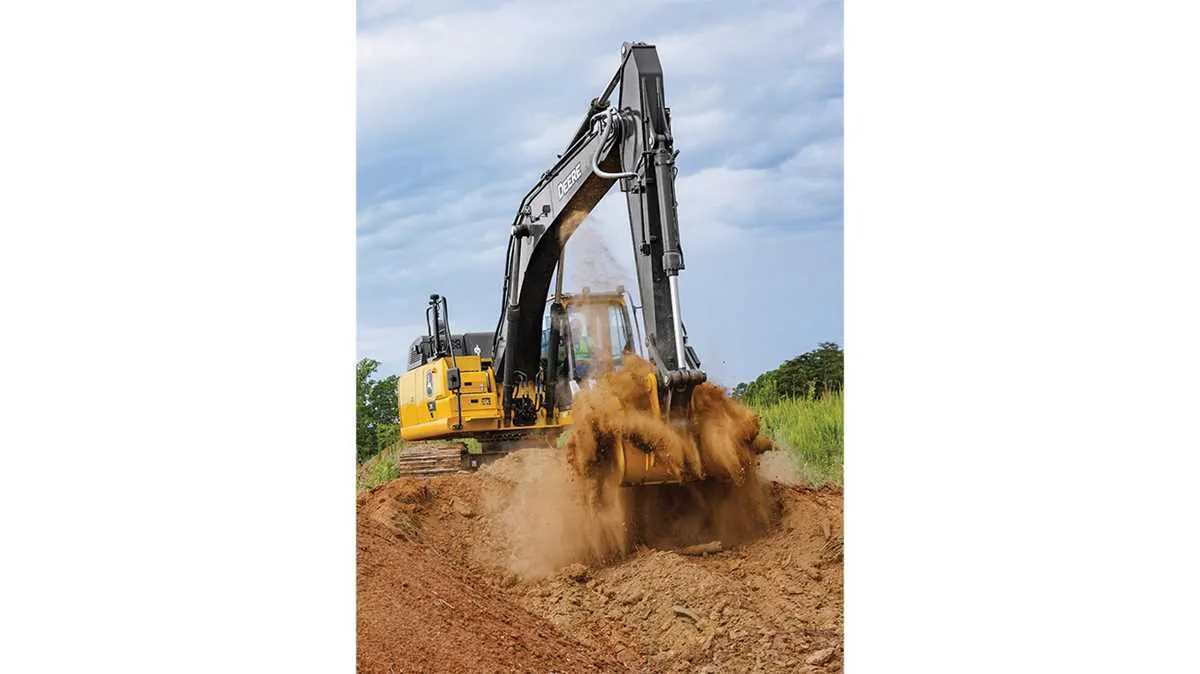
The John Deere 210C offers two distinct drive configurations: 4×2 and 4×4. Choosing between them depends on the terrain and load handling requirements of your tasks. For operations on flat surfaces or mild slopes, the 4×2 configuration is an efficient choice, providing ample power for routine tasks. On the other hand, the 4×4 version excels in challenging conditions, offering improved traction and stability on rough or uneven terrain.
When working in areas with steep inclines or when handling heavier loads, the 4×4 drive system is preferred. Its ability to distribute power to all four wheels enhances its ability to navigate difficult conditions, ensuring smoother operation and less wear on components. Conversely, the 4×2 system remains lighter, more fuel-efficient, and easier to maintain for more straightforward jobs.
Consider your specific needs: for light-duty tasks, the 4×2 is cost-effective and sufficient. However, for more demanding environments, the 4×4 configuration offers the durability and performance required to handle tougher challenges with ease. Both configurations are designed for efficiency, but the choice comes down to where and how the equipment will be used.
John Deere 210C 4×2 vs 4×4 Specifications
The choice between the John Deere 210C 4×2 and 4×4 models depends on specific needs and work conditions. The 4×2 offers standard traction and is suited for lighter work environments, while the 4×4 provides enhanced mobility and power distribution for more demanding tasks.
The key differences between the two models lie in their drivetrain and the resulting performance capabilities:
- 4×2 Drivetrain: The 4×2 version uses a standard two-wheel drive system, which is more fuel-efficient and offers a lower initial cost. This makes it ideal for jobs where excessive traction is not required.
- 4×4 Drivetrain: The 4×4 model features four-wheel drive, offering superior traction and stability, particularly in challenging terrains or when carrying heavy loads. It’s designed for tougher, more rugged applications.
Additionally, the 4×4 variant has a higher towing capacity, which is crucial for operations involving larger implements or attachments. On the other hand, the 4×2 model is more agile and easier to maneuver in smaller spaces.
For operators who frequently work on uneven surfaces or in wet conditions, the 4×4 version is the better choice. However, if the work environment is predominantly flat and firm, the 4×2 model will be sufficient while offering cost savings in both purchase price and fuel consumption.
In terms of maintenance, the 4×4 requires more attention due to the complexity of its drivetrain, but its increased durability may justify the extra care in heavy-use scenarios.
Key Differences in Drivetrain Performance
The 4×2 and 4×4 versions of the John Deere 210C display significant differences in drivetrain performance. The 4×4 model provides superior traction and stability, especially on uneven terrain or when handling heavy loads. With all four wheels engaged, it can better distribute engine power, reducing the likelihood of wheel slippage and offering increased control.
On the other hand, the 4×2 version, equipped with rear-wheel drive, is better suited for smoother, more even surfaces. It’s more fuel-efficient and requires less maintenance due to the simplified drivetrain. However, it lacks the off-road capability and towing power of the 4×4 variant.
If operating in environments with challenging conditions such as mud, steep inclines, or slippery surfaces, the 4×4 model is the recommended option. Its enhanced drivetrain performance ensures reliability and minimizes downtime, particularly in demanding tasks like hauling or grading.
The 4×2 model, however, offers a cost-effective choice for less strenuous work, where full-time four-wheel drive isn’t necessary. It offers a balance of power and efficiency for lighter tasks while reducing operational expenses.
Impact of 4×2 vs 4×4 on Maneuverability
The 4×4 drivetrain offers superior traction, making it a better option for navigating rough terrains or steep inclines. Its ability to distribute power to all four wheels enhances stability and control, especially in challenging environments.
The 4×2, on the other hand, offers improved fuel efficiency and is generally easier to maneuver on flat, smooth surfaces. It is ideal for lighter tasks where maximum traction isn’t required, allowing for quicker turns and better handling in tight spaces.
When operating on tight job sites or in limited spaces, the 4×2 model’s agility gives it an edge, allowing for quicker, sharper turns without sacrificing control. However, the 4×4 model excels when working in muddy, snowy, or uneven terrain, offering more consistent performance across various conditions.
In applications where maximum control and maneuverability are key, a 4×2 may be sufficient. However, for environments that demand high traction and stability, especially in off-road or uneven conditions, the 4×4 system is more effective.
Cost Comparison and Maintenance Considerations
When evaluating the John Deere 210C 4×2 and 4×4 configurations, it’s essential to consider the upfront cost differences. Typically, the 4×4 model carries a higher price due to its added drivetrain complexity and all-wheel-drive capabilities. The 4×2 variant, with a simpler drivetrain, generally offers a more affordable purchase price.
Maintenance costs also differ between the two models. The 4×4 configuration may require more frequent service due to its additional components, such as the transfer case and extra axles. In contrast, the 4×2 version has fewer moving parts, leading to lower service fees and a more straightforward repair process.
Fuel consumption is another key factor. The 4×4 version, while providing better traction and off-road capability, tends to consume more fuel than the 4×2 model. This can add up over time, especially if the machine operates primarily in conditions that don’t require the extra drive capability of 4×4.
In terms of parts replacement, the 4×4 model will generally incur higher costs for parts like tires, axles, and differentials, which are more prone to wear and tear due to the additional stress placed on them. Routine checks for the 4×4 drivetrain, such as differential fluid and axle maintenance, should be prioritized to avoid expensive repairs.
In summary, while the 4×4 model provides superior traction and versatility, it comes at a higher cost both initially and in long-term maintenance. The 4×2 model offers a more economical option, particularly if off-road capabilities are not frequently needed.