John Deere 500A Loader Specifications and Performance Features
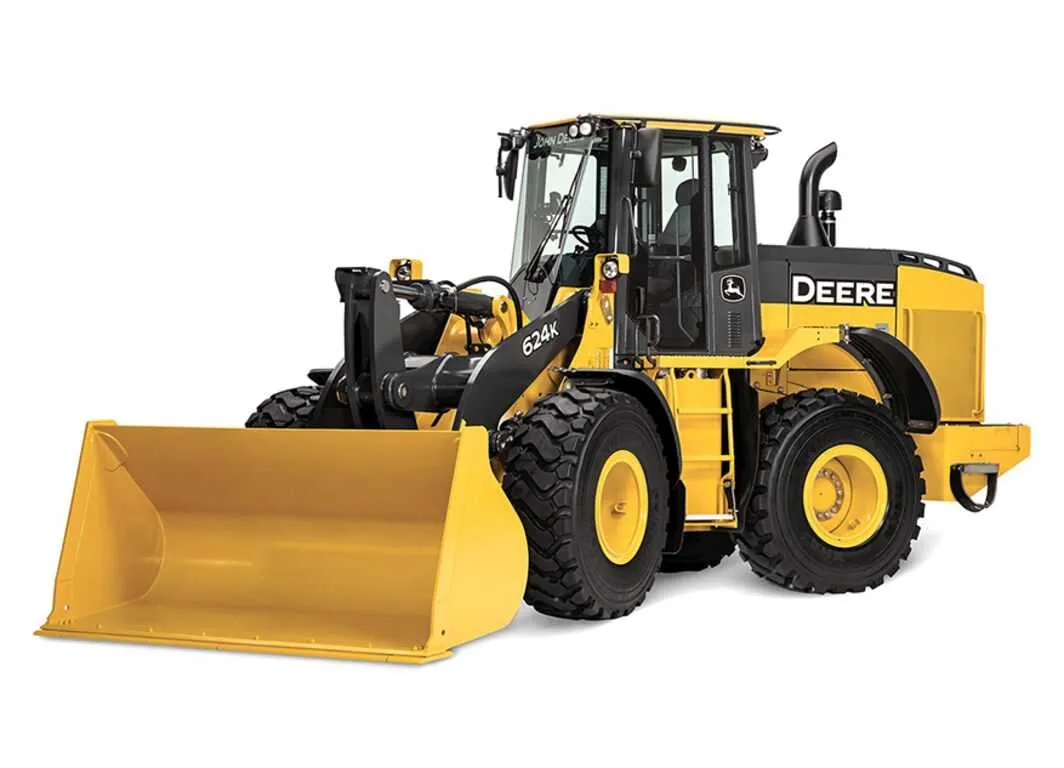
If you’re considering the 500A John Deere with a loader for your operations, you’ll appreciate its balance of power and versatility. With a 4-cylinder diesel engine, it delivers solid performance in a variety of tasks, from lifting materials to digging and grading. The loader’s lifting capacity ensures you can handle heavy loads efficiently, making it an ideal choice for construction, farming, and landscaping.
The 500A features a hydraulic system that provides smooth control and responsive operation. The maximum lift height of around 10 feet allows for effective material handling, while the breakout force ensures the loader can handle tough jobs. Additionally, the machine’s transmission is designed for ease of use, making it accessible for operators at any skill level.
When it comes to maintenance, the 500A’s design ensures simplicity. The engine and hydraulic systems are easily accessible, reducing downtime for repairs and routine checks. With durable components and a reputation for reliability, this John Deere model is built to last, delivering consistent performance over the long haul.
500A John Deere with Loader Specs
The John Deere 500A with loader is built for both durability and power. Its engine delivers 56 horsepower, allowing for optimal performance in various tasks. With a lift capacity of up to 2,100 pounds, it can handle a variety of materials with ease, from dirt to heavier loads.
The machine features a hydraulic system with a 12.5 gallon per minute pump, providing strong lifting power and control. The loader’s breakout force reaches 3,200 pounds, making it effective for heavy-duty applications. With a bucket capacity of 0.9 cubic yards, it can cover a large work area in fewer passes, improving efficiency.
With an 8-speed transmission, the 500A John Deere provides smooth shifting between gears, helping the operator adjust for different terrain types or load requirements. The rear axle comes with a standard differential lock, ensuring better traction on tough surfaces.
In terms of maneuverability, the 500A boasts a turning radius of just 9.4 feet, making it easy to navigate tight spaces or congested job sites. The 4WD system enhances stability and traction, especially in challenging environments like mud or gravel.
Operator comfort is a key factor with the 500A. The cabin is designed for easy access and includes adjustable seating, a straightforward control layout, and ample visibility. Its design allows for prolonged use without sacrificing comfort, crucial for long working hours.
Maintenance on the 500A is simplified with accessible components and easy-to-service parts. The durable construction and easy upkeep make it a reliable choice for both large-scale projects and routine tasks.
Engine Performance and Power Output of the 500a John Deere
The 500a John Deere delivers solid performance with its reliable engine. The machine is equipped with a 4.5L, 4-cylinder engine that produces a maximum power output of 75 horsepower, ensuring sufficient power for a variety of tasks, including heavy lifting and material handling. This engine is designed to provide optimal fuel efficiency while maintaining durability over long operational hours.
The engine features direct fuel injection, which improves combustion efficiency and reduces emissions. This technology helps maintain consistent power delivery while keeping fuel consumption in check. The engine also incorporates a turbocharger to further enhance performance, especially during demanding operations such as digging or moving large loads.
Thanks to its hydrostatic transmission, the 500a John Deere ensures smooth power transfer and improved control over the loader’s speed and torque. This makes it ideal for both precise operations in tight spaces and high-speed maneuvers when necessary.
The power output remains stable even under load, with high torque available at lower engine speeds, ensuring that operators can rely on consistent power across a wide range of tasks. The engine’s cooling system ensures efficient temperature regulation, even during extended periods of operation.
The 500a John Deere engine is engineered to handle tough conditions, providing a balance of power and efficiency without compromising on reliability. This makes it a dependable choice for operators who need sustained performance throughout the workday.
Loader Capacity and Hydraulic System Features
The John Deere 500A loader offers impressive lifting capabilities, with a maximum lift capacity of 2,700 lbs at full height. This makes it ideal for handling various materials such as dirt, gravel, and sand efficiently.
The hydraulic system on the 500A is designed for high performance and durability, providing a flow rate of 22.5 GPM (gallons per minute) at 2,250 PSI. This ensures smooth operation under heavy loads and increases cycle times for faster work completion.
Key hydraulic system features include:
- Hydraulic pump with load-sensing technology that adjusts pressure based on load size, optimizing energy usage.
- Heavy-duty hoses and fittings that provide enhanced resistance to wear and tear.
- Dual hydraulic control valves, offering precise control over the loader’s movements.
The system also includes a self-leveling feature, ensuring that the bucket stays parallel to the ground as it lifts, making loading and unloading more accurate. Additionally, the loader’s lifting arms and tilt cylinders are designed to withstand high stress, ensuring longevity even during demanding tasks.
With a breakout force of up to 4,500 lbs, the 500A loader excels in tasks requiring significant force to lift and transport heavy loads. The combination of hydraulic power and robust design allows operators to work with confidence, knowing the loader will perform reliably under tough conditions.
Maintenance and Service Guidelines for the 500a John Deere Loader
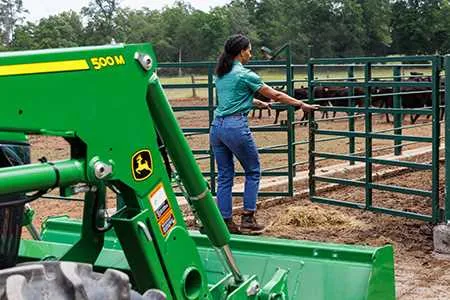
Check the engine oil level regularly and replace it every 250 hours of operation or annually, whichever comes first. Use John Deere-approved oil to maintain engine efficiency. Make sure to replace the oil filter during every oil change to prevent contaminants from circulating within the engine.
Inspect the hydraulic system frequently for leaks and wear. Replace hydraulic fluid every 1,000 hours or annually, whichever occurs first. Ensure all hoses are free from cracks or abrasions, and check the hydraulic oil level daily. Keep the hydraulic filters clean to avoid clogging and reduce stress on the system.
Maintain the battery by inspecting connections and cleaning terminals with a solution of baking soda and water. Tighten any loose connections and test the battery voltage regularly to prevent sudden failures. Replace the battery if it no longer holds a charge properly.
Keep the air filters clean to avoid engine performance issues. Clean the pre-filter after every 50 hours of use and replace the main filter as recommended by the manufacturer, typically every 500 hours. Ensure the air intake is free from obstructions and debris.
Inspect the tires regularly for damage, proper inflation, and wear patterns. Ensure they are inflated according to the specifications found in the operator’s manual. Rotate the tires every 500 hours or as necessary to maintain even wear.
Lubricate all pivot points and moving components every 10-15 hours or as per the operator manual to prevent premature wear. Use high-quality grease and be thorough to avoid any ungreased joints, which can lead to rust or seizing.
Regularly clean the loader to prevent dirt and debris from accumulating on key components, especially near the engine and undercarriage. This not only helps with performance but also prolongs the life of critical parts. Pressure wash with care, avoiding electrical connections and sensitive areas.
Schedule periodic inspections of the loader’s cooling system. Check the radiator for debris and ensure the fan is working efficiently. Replace the coolant every 1,000 hours or annually, depending on the working conditions.
Finally, always follow the service intervals outlined in the owner’s manual and keep detailed records of all maintenance activities. This ensures that your 500a loader remains in optimal working condition and prolongs its service life.