John Deere 950 Engine Specifications and Key Features
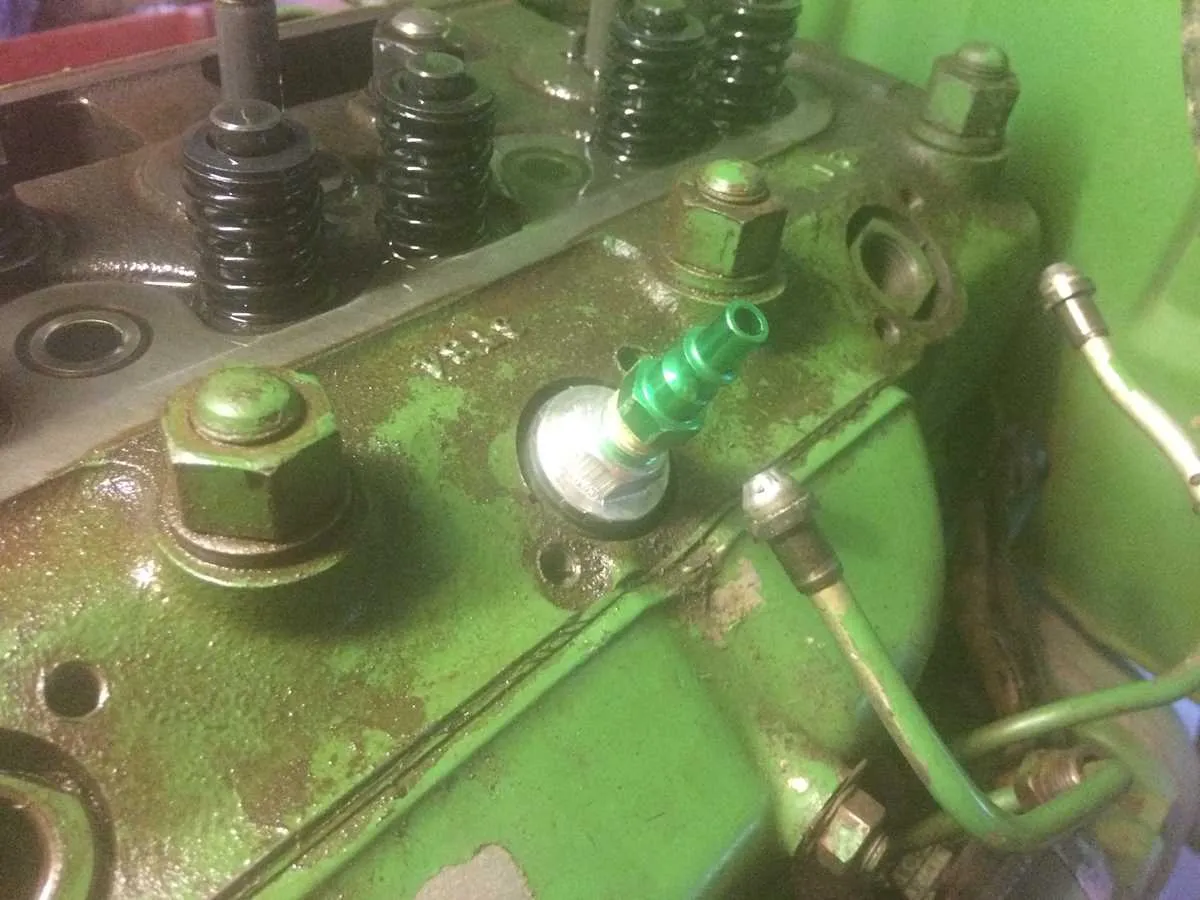
The John Deere 950 is powered by a robust 3-cylinder diesel engine. With a displacement of 1.5 liters, this engine delivers reliable power for various agricultural and commercial applications. It produces an output of 24.8 horsepower at 2,400 RPM, making it suitable for demanding tasks such as plowing, tilling, and hauling.
The engine features a liquid cooling system, ensuring optimal performance even under heavy loads. Its compression ratio stands at 22.0:1, contributing to better fuel efficiency and improved engine life. For maintenance, the John Deere 950 engine uses a 12-volt electrical system, simplifying troubleshooting and reducing potential electrical issues.
Fuel efficiency is another key benefit. The engine’s in-line fuel injection system enhances combustion, offering reduced fuel consumption compared to older models. This makes the 950 ideal for users who need a balance of power and economy for long hours of work in the field.
John Deere 950 Engine Specifications
The John Deere 950 is equipped with a reliable 3-cylinder, liquid-cooled diesel engine, delivering a power output of 24.5 horsepower. This engine operates at a rated speed of 2,400 RPM, ensuring a smooth and efficient performance for a variety of tasks. The engine features a displacement of 1.5 liters, which provides ample torque for both light and heavy-duty operations.
Fuel efficiency is a key characteristic of the John Deere 950 engine. With a fuel tank capacity of 11.5 gallons, it offers extended operating time for large-scale farming or lawn maintenance tasks. The fuel system uses an in-line injection pump that contributes to the engine’s overall efficiency, delivering optimal fuel atomization for better combustion.
The engine is paired with a mechanical transmission, offering 8 forward and 4 reverse speeds. This provides precise control over speed and power, ideal for navigating different terrains and conditions. The engine’s cooling system ensures it remains within optimal operating temperatures, preventing overheating during demanding use.
Additionally, the John Deere 950 features a hydrostatic power steering system, which makes handling effortless, even when operating on slopes or uneven surfaces. The engine’s simplicity in design allows for easy maintenance, with accessible components for routine checks and service.
Engine Power and Performance of John Deere 950
The John Deere 950 is equipped with a robust 3-cylinder diesel engine that provides 25.5 horsepower at 2,400 RPM. This power output ensures that the tractor can handle a variety of agricultural tasks, from mowing to plowing, with ease.
Key specifications include:
- Engine Type: 3-cylinder, liquid-cooled diesel
- Horsepower: 25.5 hp at 2,400 RPM
- Displacement: 1.5 L (91.4 cubic inches)
- Fuel Tank Capacity: 12.7 gallons
- Torque: 58.8 lb-ft at 1,500 RPM
With this engine, the John Deere 950 delivers dependable performance even in demanding conditions. Its torque rating enables it to handle heavy-duty tasks like tilling and hauling with minimal strain, making it ideal for small to medium-sized farms.
Additionally, the engine’s design ensures long-lasting durability, reducing the need for frequent maintenance. The reliable fuel efficiency means more productivity per tank, which can significantly lower operational costs over time.
The smooth power delivery and consistent engine response make the John Deere 950 an excellent choice for those looking for both performance and longevity in a compact tractor.
Fuel System and Efficiency of the John Deere 950 Engine
The John Deere 950 engine features a well-engineered fuel system that contributes significantly to fuel efficiency and performance. It uses a mechanical injection system that optimizes fuel delivery, ensuring a smooth and reliable operation under various load conditions. Regular maintenance of the fuel system, including replacing the fuel filter at recommended intervals, keeps the system running at peak performance.
The engine’s fuel efficiency is enhanced by its ability to adapt to different operating conditions. It achieves optimal combustion, which reduces fuel consumption without compromising power. This is particularly important for agricultural tasks that require long operational hours. By ensuring clean fuel and checking for leaks, operators can maintain efficient fuel use and extend engine lifespan.
For maximum efficiency, always use high-quality fuel that meets the specifications provided in the user manual. Impurities in the fuel can clog injectors, affecting the fuel system’s performance and reducing overall efficiency. Keeping the fuel system clean and free of contaminants prevents unnecessary fuel waste and reduces emissions.
Monitoring fuel consumption regularly can help identify any changes in efficiency that may indicate a problem. A sudden drop in fuel economy often signals the need for inspection or adjustment of the fuel system components. Ensure that the fuel injectors are properly calibrated for the best performance.
In addition, maintaining the proper air-fuel mixture and ensuring the correct fuel pressure will help the engine run efficiently. Adjusting these settings as needed based on usage conditions can help optimize fuel efficiency, making it an ideal choice for both commercial and personal use.
Maintenance Requirements and Longevity of John Deere 950 Engine
Regular oil changes are critical for maintaining the John Deere 950 engine. Perform oil changes every 100 hours of operation or at least once a year, whichever comes first. Use high-quality diesel engine oil that meets the required specifications to ensure smooth engine performance and to avoid premature wear.
Check the fuel system frequently. Clean the fuel filter every 200 hours of operation or as needed, depending on fuel quality and operating conditions. This helps prevent clogs and ensures the fuel system remains free of contaminants that could damage the engine.
The air filter needs regular inspection, especially in dusty environments. Replace it every 500 hours of operation or sooner if it shows signs of excessive dirt or damage. A clean air filter ensures that the engine receives optimal airflow, which is essential for performance and fuel efficiency.
Inspect the cooling system regularly. Make sure the radiator is free from debris, and check coolant levels to avoid overheating. Flush the cooling system every two years to prevent the buildup of rust and scale that could impair engine efficiency.
Check the battery regularly for corrosion and clean the terminals. Replace the battery every 3 to 5 years, depending on usage, to avoid power loss that could hinder starting performance.
Maintain the exhaust system in good condition by inspecting for leaks or damage. A damaged exhaust can lead to inefficiencies and negatively impact engine longevity.
Follow the manufacturer’s recommended maintenance schedule for the transmission and drivetrain. This includes checking the hydraulic fluid, transmission oil, and other essential components to ensure smooth operation and prevent excessive wear.
By sticking to these maintenance guidelines, you can extend the life of your John Deere 950 engine and ensure reliable performance over the years.