John Deere 210C Specifications and Key Features
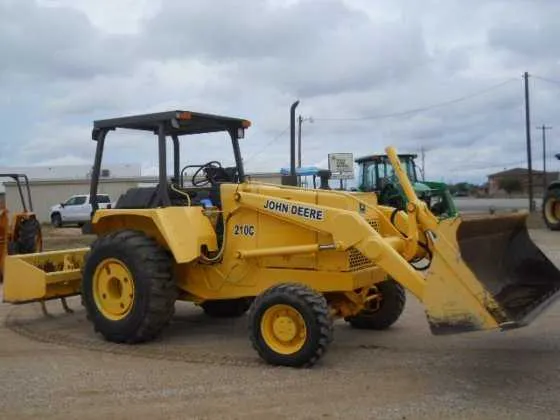
The John Deere 210C offers a reliable solution for various construction and landscaping tasks. Powered by a robust engine, it delivers consistent performance in challenging environments. With its superior hydraulics and lifting capacity, the 210C ensures precision and efficiency during operations.
The machine’s dimensions make it ideal for tight spaces while still offering high power output. Whether lifting heavy loads or tackling demanding excavation projects, the 210C stands out for its durability and operational reliability. With a versatile range of attachments, it provides flexibility for various tasks.
When considering the John Deere 210C for your next project, its fuel efficiency and easy maintenance features set it apart from competitors. Regular upkeep and proper operation will maximize its service life and ensure peak performance throughout its lifespan.
John Deere 210C Specifications
The John Deere 210C is built to handle demanding tasks. It features a strong engine and advanced hydraulic systems, ensuring reliability and performance in various conditions. Below are the key specifications to consider when evaluating its capabilities.
| Specification | Details |
|---|---|
| Engine Type | 4-Cylinder Diesel Engine |
| Engine Power | 58 hp (43 kW) |
| Operating Weight | 10,000 lbs (4,536 kg) |
| Max Speed | 25 mph (40 km/h) |
| Hydraulic System Flow | 25.5 gpm (96 L/min) |
| Fuel Tank Capacity | 20.5 gallons (77.8 L) |
| Lift Capacity | 3,000 lbs (1,360 kg) |
| Dimensions | Length: 14.8 ft (4.51 m) | Width: 7.3 ft (2.22 m) | Height: 9.6 ft (2.93 m) |
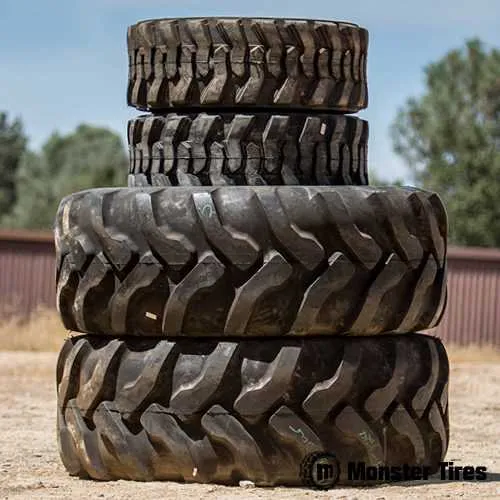
| Tires | 12.5/80-18 |
With a well-balanced design, the John Deere 210C ensures powerful performance in demanding environments. It provides a high degree of flexibility, allowing for efficient operation across various tasks such as digging, lifting, and transporting heavy materials. The machine is equipped with user-friendly controls for ease of operation, offering quick response times when handling equipment.
Engine and Power Output Analysis
The engine of the John Deere 210C is designed to deliver reliable power across a wide range of tasks. With a robust engine configuration, it offers the necessary torque for demanding work environments.
The engine’s total output is around 45 horsepower, providing strong performance for operations like lifting, digging, and towing. This power is produced by a 4-cylinder engine that combines durability with efficiency, ensuring long-term reliability even under continuous use.
- Engine Type: 4-cylinder, turbocharged, water-cooled diesel
- Power Output: 45 hp at 2,400 rpm
- Torque: 122 lb-ft at 1,600 rpm
- Displacement: 2.9 L
This combination of power and torque ensures that the machine can handle tough soil conditions, heavy lifting, and extended working hours without compromising on performance. Its engine is specifically tuned to provide a steady power band, making it adaptable to a variety of tasks on construction sites or farms.
The efficiency of the engine also plays a significant role in reducing operational costs. With proper maintenance, the engine runs at optimal fuel consumption levels, allowing users to focus on their tasks without worrying about constant refueling. In addition, the engine’s design reduces wear, promoting long-term operational efficiency.
For those requiring specific performance metrics, the engine’s fuel consumption is about 5.5 gallons per hour under typical working conditions. This is an average figure, and actual fuel consumption may vary based on load and operating conditions.
Hydraulic System Features and Capabilities
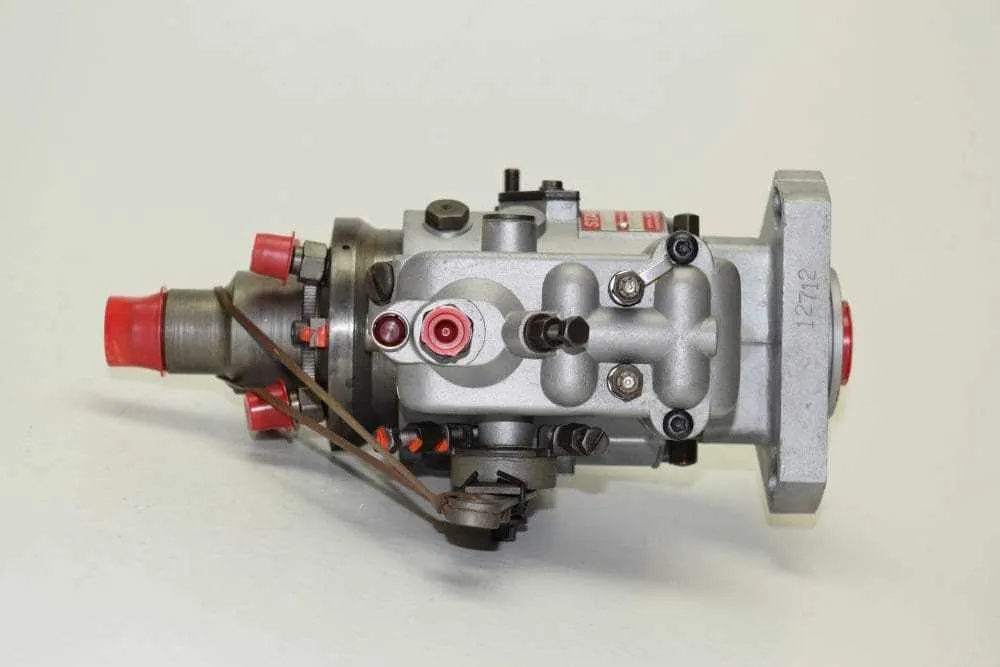
The hydraulic system of the John Deere 210C operates with remarkable precision, ensuring smooth and responsive control. Its pump capacity reaches up to 15.5 GPM (gallons per minute), providing consistent power for lifting and digging operations. The system integrates high-quality components that ensure reliability under heavy load conditions.
With a lifting capacity of up to 3,600 lbs, the hydraulic system allows for optimal performance in a wide range of tasks, from trenching to heavy material handling. The combination of a strong pump and efficient distribution system reduces power loss, allowing the operator to focus on precise maneuvering.
The system’s pressure relief valve is calibrated to maintain a safe operational environment by preventing excessive pressure buildup. This feature protects the hydraulic components from damage and extends the lifespan of the system.
Efficient filtration mechanisms ensure that hydraulic fluid remains free of contaminants, enhancing system longevity and performance. Regular maintenance of the filters and hydraulic fluid contributes to the continued high performance of the system.
Overall, the hydraulic system of the John Deere 210C offers the necessary power and safety features to handle demanding tasks, providing reliability and operational flexibility.
Maintenance and Service Recommendations
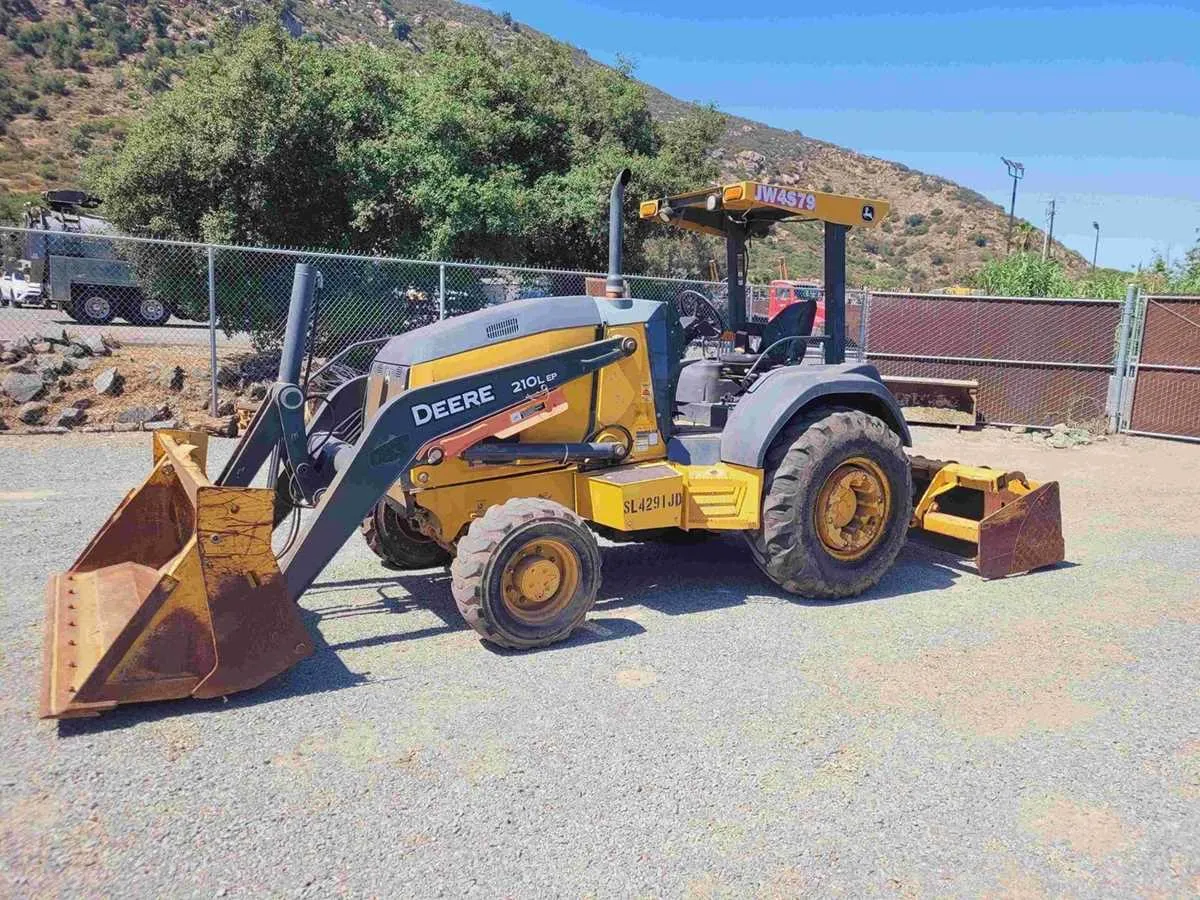
Perform routine checks on the hydraulic system to prevent leaks and ensure proper fluid levels. Replace the hydraulic fluid at intervals recommended by the manufacturer to maintain system efficiency.
Inspect the engine oil regularly and change it at least every 100 hours of operation or as advised in the manual. Ensure the oil filter is replaced during every oil change to avoid contaminants in the engine.
Clean or replace the air filter every 200 hours to ensure optimal engine performance. A clogged air filter can restrict airflow, affecting fuel efficiency and overall power output.
Check the battery terminals for corrosion and clean them regularly. Inspect the battery voltage to ensure the electrical system operates properly and the charging system is functional.
Examine the tires for wear and check the pressure regularly. Proper tire pressure ensures maximum traction and extends the life of the tires.
Lubricate all pivot points, linkages, and moving parts according to the maintenance schedule. This will reduce friction, prevent wear, and increase machine lifespan.
Inspect the cooling system and clean the radiator to ensure the engine does not overheat. Replace coolant as per the recommended maintenance intervals.
Check the fuel system for leaks and inspect the fuel filters for clogging. Replace filters as needed to prevent damage to the engine and ensure optimal fuel flow.
Examine the undercarriage and remove any accumulated debris. This prevents unnecessary wear and ensures the machine runs efficiently.
Perform an inspection of the lifting arms and cylinders to verify proper function. Tighten any loose bolts or connections to prevent malfunctioning during operation.