John Deere 3130 Engine Specifications and Key Performance Details
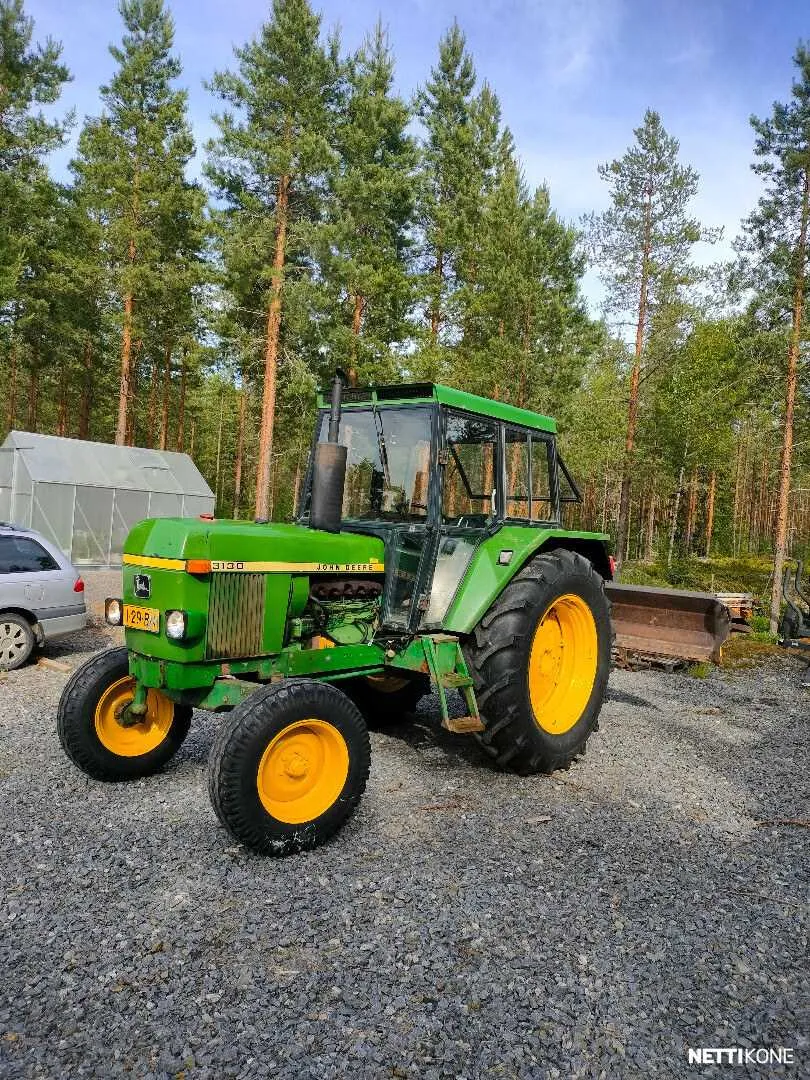
The John Deere 3130 tractor features a robust 4-cylinder engine, offering reliable performance for a variety of farming and industrial tasks. With a displacement of 3.2 liters, it delivers a power output of 58 horsepower at 2,200 RPM. This engine is engineered to handle heavy loads and extended working hours without compromising on efficiency or durability.
The 3130’s engine uses a liquid-cooled system to maintain optimal temperatures during operation. It is equipped with a direct injection system, ensuring improved fuel efficiency and reduced emissions. This makes the tractor ideal for long-term use in both agricultural and commercial settings. Its turbocharged design further enhances power delivery, making it capable of tackling tougher jobs with ease.
Transmission options for the John Deere 3130 include both synchro-range and power-shift systems, offering smooth gear transitions and versatility across different tasks. Its 8 forward and 4 reverse gears provide a balanced combination of speed and control, ensuring the tractor adapts to various field conditions.
Fuel tank capacity is 47 liters, providing sufficient range for extended operations without frequent refueling. The engine’s oil capacity stands at 6.5 liters, offering enhanced lubrication and longevity for the engine components. This combination of features ensures the John Deere 3130 engine stands out for its reliability and performance in demanding environments.
John Deere 3130 Engine Specs
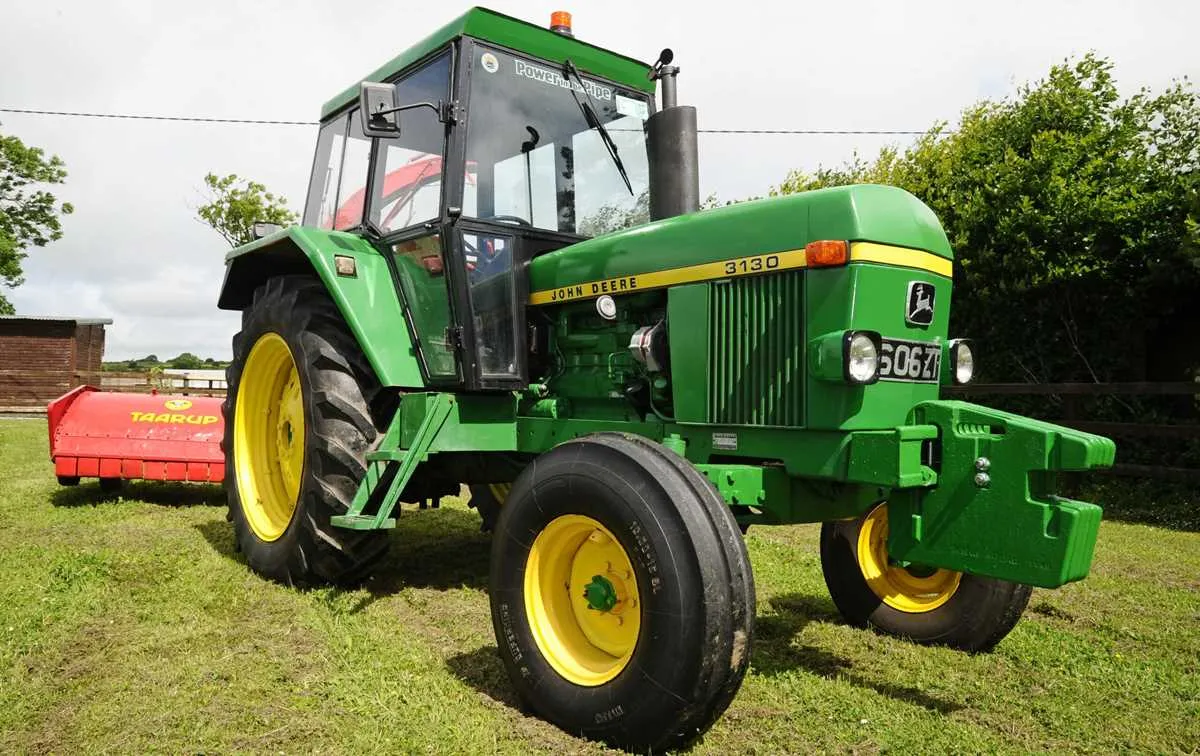
The John Deere 3130 is powered by a 3.0L 4-cylinder diesel engine that offers impressive performance for a variety of tasks. Here are the key specifications:
- Engine Type: 4-cylinder, diesel, turbocharged
- Displacement: 3.0 liters (183 cubic inches)
- Horsepower: 58 hp (43.3 kW) at 2,400 RPM
- Torque: 163.7 lb-ft (222 Nm) at 1,500 RPM
- Compression Ratio: 16.5:1
- Fuel Tank Capacity: 12.5 gallons (47.3 L)
- Cooling System: Liquid-cooled
- Air Intake: Turbocharged for better efficiency and power output
This engine setup ensures the John Deere 3130 maintains a high level of reliability while also providing solid power output for a wide range of agricultural and utility tasks. The turbocharged system boosts fuel efficiency and allows for greater torque delivery at lower engine speeds.
For optimal performance, regular maintenance of the fuel system, air filters, and cooling components is recommended to keep the engine running smoothly and efficiently.
Engine Performance and Power Output of John Deere 3130
The John Deere 3130 is equipped with a reliable 4-cylinder diesel engine, delivering a maximum power output of 45 horsepower at 2,200 RPM. This engine is designed to provide solid performance for various agricultural and light industrial tasks. With a displacement of 2.9 liters, it balances fuel efficiency with enough power to handle demanding workloads without compromising reliability.
The engine is turbocharged, enhancing both power and efficiency, especially under load. Its rated PTO power reaches 38 horsepower, which ensures compatibility with a wide range of implements. This makes the 3130 versatile across different farming operations like tilling, mowing, and hauling.
Fuel consumption is optimized, offering a fuel tank capacity of 45 liters, allowing operators to work for extended periods without frequent refueling. The engine’s compression ratio of 16.3:1 contributes to its efficiency and durability, allowing for smooth operation over long hours.
The powertrain integrates seamlessly with the transmission system, enabling quick power delivery and smooth shifts. Whether on flat fields or hilly terrain, the John Deere 3130 maintains consistent performance, making it a reliable choice for medium-duty tasks.
Fuel System and Consumption Rates of John Deere 3130 Engine
The John Deere 3130 engine operates with a mechanically controlled fuel system, providing reliable performance for various agricultural tasks. The fuel system uses an inline injection pump to ensure proper fuel delivery to the cylinders. The engine’s fuel injectors are designed for precision, optimizing fuel atomization for better combustion efficiency.
Fuel consumption typically ranges from 5 to 7 gallons per hour, depending on load and operating conditions. Under full load, the consumption can increase, while lighter loads result in reduced fuel use. This engine is designed to balance fuel efficiency with power output, making it suitable for long operational hours without excessive fuel burn.
For optimal performance and longevity, it’s crucial to use clean, high-quality fuel and regularly maintain the fuel filters. Clogged filters can reduce fuel flow, leading to reduced engine efficiency and potential damage over time.
The engine’s fuel pump operates at a fixed rate, with minor adjustments based on load demands, allowing for stable fuel delivery during various operations. Regular monitoring of fuel consumption can help identify early signs of issues in the fuel system, ensuring timely maintenance.
Maintenance Guidelines for John Deere 3130 Engine Longevity
Change the engine oil every 150 hours of operation or at least once every season. Always use high-quality, John Deere-approved oil to ensure proper lubrication and protection against wear.
Replace the oil filter with every oil change. This helps to maintain the efficiency of the lubrication system and prevents debris from circulating through the engine.
Inspect the air filter regularly, and replace it when it becomes clogged or dirty. A clean air filter maximizes engine efficiency by ensuring proper airflow and preventing dust and debris from entering the engine.
Check the coolant levels and ensure the radiator is free from blockages. Use the recommended coolant mixture to avoid corrosion and overheating. Flush the radiator and cooling system every 1,000 hours or as specified in the service manual.
Regularly check the fuel system for leaks and ensure that fuel lines are free from cracks or damage. Use high-quality diesel fuel to prevent clogging of injectors and fuel filters.
Inspect the belts and hoses for any signs of wear, cracks, or fraying. Replace any damaged parts promptly to avoid further damage to the engine and other components.
Monitor the battery’s charge and ensure the terminals are clean and tight. A weak or corroded battery can cause starting issues and affect overall performance.
Keep the engine clean by regularly removing dirt and debris from the engine compartment. This will help maintain airflow and prevent overheating.
Ensure the exhaust system is free from leaks and blockages. A clear exhaust path helps to maintain engine performance and fuel efficiency.
Follow the manufacturer’s service intervals for valve adjustments and other engine components. Regular maintenance prevents premature wear and keeps the engine running smoothly.
Always use genuine John Deere parts for replacements to ensure compatibility and optimal performance. Non-approved parts can lead to unexpected failures and reduced engine life.