Specifications and Features of the 1990 John Deere 450G Model
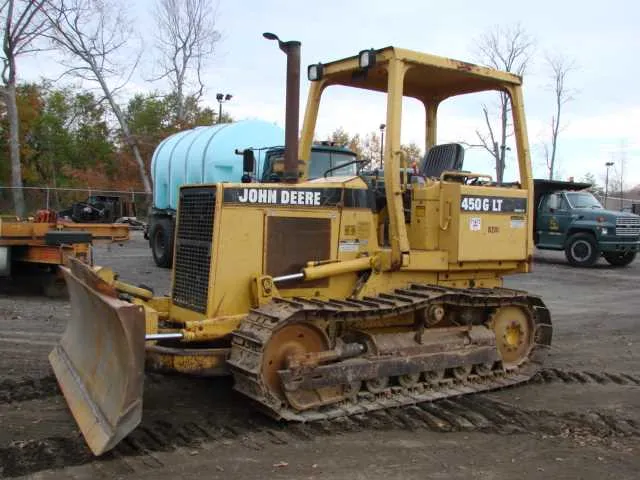
The 1990 John Deere 450G is a highly reliable machine, built for heavy-duty tasks. It provides consistent performance and power to meet the demands of construction and agriculture. With a powerful engine and robust hydraulic system, this model can handle tough working conditions without compromising productivity.
Equipped with a 4.5L engine, the 450G delivers a high horsepower output, ensuring excellent pulling and lifting capabilities. Its engine performance is further complemented by a well-balanced drivetrain that contributes to smooth operation across diverse terrains.
The hydraulic system of the 450G is optimized for efficiency, providing superior lifting and digging forces. With precise control, operators can perform intricate tasks with ease, ensuring quick turnaround times for each job. Its well-engineered components contribute to low maintenance needs, increasing the machine’s operational lifespan.
1990 John Deere 450G Specifications
The 1990 John Deere 450G is a powerful and reliable crawler dozer, designed for heavy-duty applications. With a net power output of 95 horsepower, it ensures optimal performance in various construction and earth-moving tasks. The engine is a 4-cylinder, turbocharged diesel, providing both strength and efficiency.
Weighing approximately 16,000 pounds, the 450G offers a well-balanced combination of weight and maneuverability, making it ideal for both rough terrain and confined spaces. The dozer is equipped with a 4-speed transmission, delivering smooth shifting and enhanced productivity in a variety of conditions.
The hydraulic system, delivering up to 16.5 gallons per minute, ensures consistent power to attachments. The maximum drawbar pull is 16,500 pounds, allowing it to tackle tough tasks such as grading, hauling, and leveling with ease. Additionally, the blade width spans 6 feet, providing excellent ground coverage for material handling.
The 450G’s undercarriage is built for durability, featuring large, long-life track rollers that reduce wear and improve stability on uneven surfaces. The ground clearance of 13.5 inches ensures that the machine can easily pass over obstacles without causing damage to the critical components underneath.
In terms of comfort, the operator’s station is designed for enhanced productivity, offering a well-structured, ergonomically laid-out cab with clear visibility of the work area. The control system includes a user-friendly joystick for blade operation, making it easier to maintain control over the machine during demanding tasks.
Engine Performance and Power Output
The 1990 John Deere 450G is equipped with a robust engine designed for high performance in demanding environments. The engine produces a maximum power output of 127 horsepower (94.6 kW), providing ample strength for heavy-duty operations.
Its 6-cylinder, 4.5-liter turbocharged diesel engine ensures reliable and consistent performance, even under load. With a maximum torque output of 405 lb-ft (549 Nm), the machine handles tough tasks such as grading, lifting, and pushing with ease.
For optimal engine performance, it’s recommended to maintain regular servicing intervals, including air and fuel filter changes, to preserve the engine’s efficiency and longevity. Keeping the cooling system in top condition is also essential to prevent overheating during intensive work periods.
- Maximum horsepower: 127 hp (94.6 kW)
- Maximum torque: 405 lb-ft (549 Nm)
- Engine type: 6-cylinder, turbocharged diesel
- Displacement: 4.5 liters
Proper fuel management is key to maintaining the power output. Using high-quality fuel and ensuring the fuel system is free of contaminants will help maintain consistent engine performance throughout the machine’s lifespan.
Hydraulic System Capacity and Load Handling
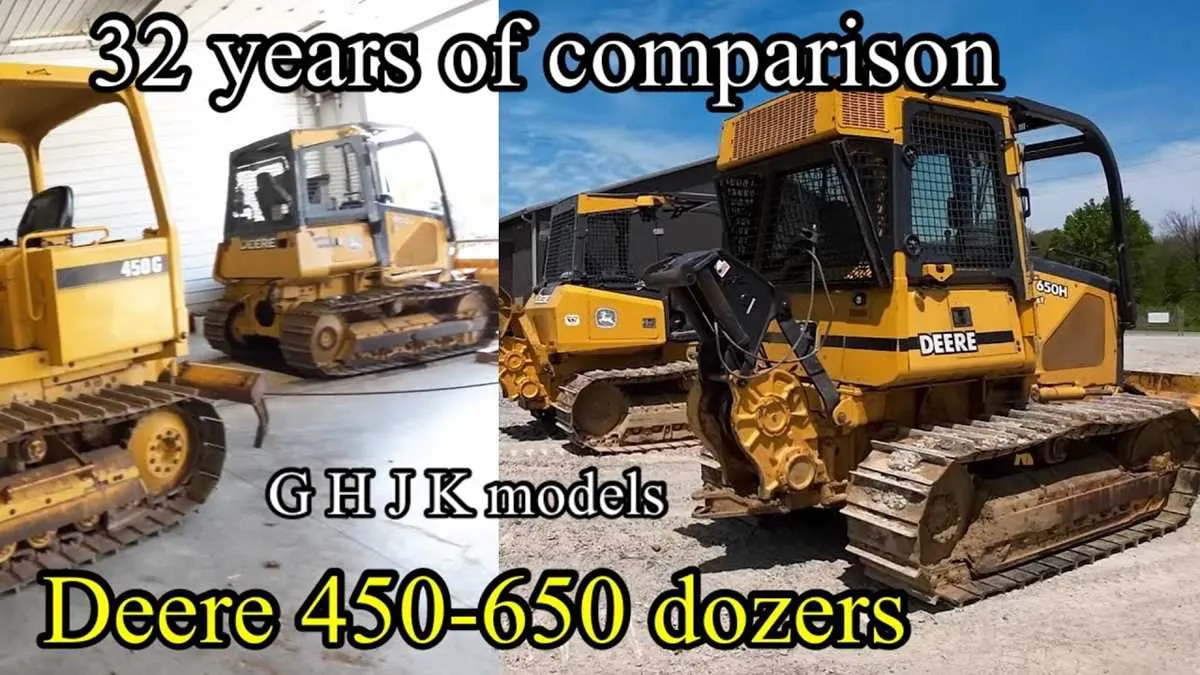
The hydraulic system in the 1990 John Deere 450G offers robust performance, handling demanding tasks with ease. With a system pressure of 3,000 psi and a pump capacity of 25.5 gpm, it ensures efficient power delivery for various operations. The 450G’s hydraulic setup can handle significant lifting and digging loads, making it suitable for heavy-duty projects.
When it comes to load handling, the hydraulic lift capacity is impressive, with the loader capable of lifting up to 16,000 lbs at full extension. This allows the machine to manage large and heavy materials, significantly enhancing productivity. The hydraulic components are designed for durability, ensuring smooth operation even under high load conditions.
For precise control, the 450G integrates a load-sensing hydraulic system, which adjusts the flow of oil to match the load, preventing strain on the system. This feature promotes fuel efficiency and extends the lifespan of the hydraulic components by optimizing pressure and flow rates based on real-time needs.
Overall, the hydraulic system of the 1990 John Deere 450G is designed for tough, demanding environments, offering reliable performance for a wide range of construction, excavation, and material handling tasks.
Cabs and Operator Comfort Features
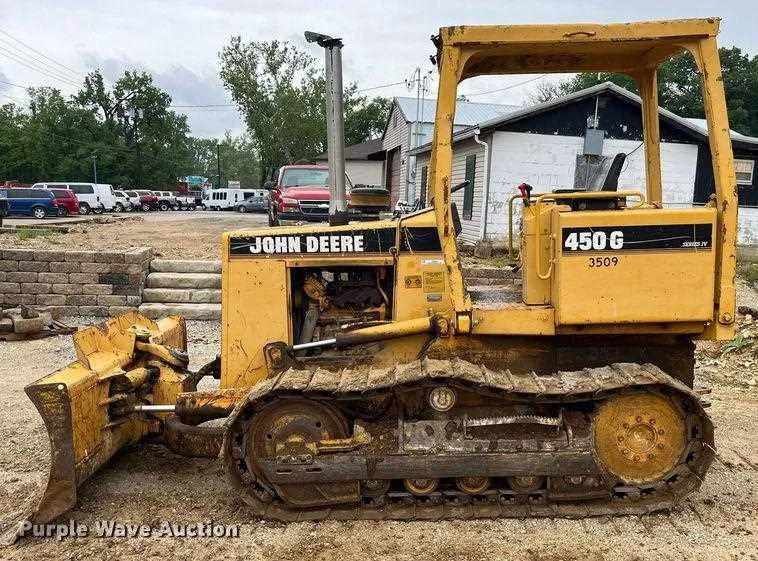
The cab design of the 1990 John Deere 450G prioritizes operator comfort and visibility. The large windows provide a clear view of the work area, minimizing blind spots. The well-placed controls enhance ease of operation, ensuring that the operator can manage tasks without unnecessary strain.
The seat is adjustable, offering personalized settings to accommodate different body types. It features a high-back design with ample lumbar support, ensuring comfort during long hours of operation. Additionally, the cab is equipped with air conditioning and heating options, maintaining a comfortable environment in all weather conditions.
Noise levels inside the cab are reduced thanks to soundproofing materials, promoting a quieter working environment. The ergonomic layout of the controls reduces operator fatigue and increases efficiency. Operators will appreciate the intuitive design of the dashboard and the positioning of essential controls.
Storage compartments are strategically placed for easy access to tools and equipment, adding to the convenience. The cab’s design ensures that operators can focus on the task at hand without distractions, ultimately improving productivity and reducing the risk of errors.