John Deere S770 Combine Specifications and Features Overview
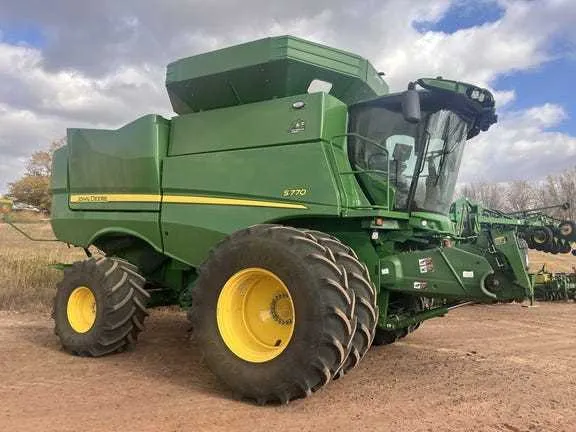
The John Deere S770 combine harvester is built for high-performance farming. Equipped with a 13.5-liter PowerTech PSX engine, it provides 373 horsepower, ensuring consistent power to tackle various crop conditions. This engine is paired with a 9-speed transmission, offering precise control for different field conditions.
With a grain tank capacity of 400 bushels, the S770 allows for longer, more productive work cycles before needing to unload. The 40-foot wide header ensures optimal harvest speeds, reducing the time spent in the field while maximizing efficiency. The combine’s advanced unloading system can unload up to 3.1 bushels per second, ensuring smooth operations even during peak harvest times.
The S770 features the Advanced Harvesting System, which uses sensors to adapt the combine’s settings to the changing conditions of the crop and field. The system can be customized through the intuitive CommandCenter display, giving operators full control over the machine’s settings and performance. This helps maintain consistent throughput and minimizes grain loss.
Operators will also appreciate the S770’s comfort and convenience. The spacious cab includes a high-resolution touchscreen monitor, adjustable seating, and climate control, ensuring a smooth working environment for long hours in the field. These features, combined with the combine’s impressive specs, make the John Deere S770 a reliable choice for modern agriculture.
John Deere S770 Combine Specifications
The John Deere S770 combines cutting-edge performance with advanced features, designed to maximize productivity in the field. Equipped with a 13.5L PowerTech PSS engine, it delivers up to 370 horsepower, offering powerful performance even under heavy loads. The engine’s precise fuel management ensures optimal efficiency, reducing operational costs.
The S770 features the Combine Advisor™ system, which automates adjustments for optimal settings, minimizing the need for manual input. The 12-row crop header and large 330-bushel grain tank allow for extended work periods without frequent stops, while the Quick-Change chopper option provides quick setup for different crop types.
With a cleaning system boasting 4,500 square inches of total sieve area, the S770 excels in grain quality by maintaining efficient separation and cleaning even in challenging conditions. The high-capacity fan and active rotor technology deliver precise grain handling, minimizing losses and improving overall harvest results.
The 4WD drive system ensures excellent traction and stability in all field conditions, while the large-diameter tires reduce soil compaction. For operator comfort, the CommandCenter™ display provides intuitive touchscreen control, allowing easy access to machine settings, diagnostics, and performance data.
Fuel efficiency is enhanced by the variable speed fan, which adjusts automatically based on crop conditions. The system reduces energy consumption without sacrificing cleaning performance, contributing to overall cost savings. The combine also integrates seamlessly with John Deere’s precision ag technologies, offering real-time monitoring and data sharing to improve field management.
For operators looking to maximize uptime, the S770 is designed with easy access to key maintenance points. The one-touch diagnostics feature simplifies troubleshooting, ensuring minimal downtime during peak harvest periods. With a service-friendly design, routine maintenance is quick and straightforward, keeping the machine running smoothly.
Engine Performance and Power Output of S770 Combine
The John Deere S770 Combine is equipped with a powerful 9.0L, 6-cylinder, PowerTech™ PSS engine that delivers a reliable 350 horsepower. This engine allows the S770 to handle even the toughest harvesting conditions with ease, providing the power needed for high-efficiency operations in large-scale farming.
With its advanced fuel system, the S770’s engine optimizes fuel consumption, ensuring a balance between power and economy. The efficient engine design is paired with a high-capacity cooling system, which prevents overheating during extended operating hours and reduces maintenance needs.
The engine’s power output is complemented by the combine’s seamless integration with the 4WD drive system, allowing the machine to maintain traction on uneven terrain. This ensures that power is effectively transferred to the ground, enhancing both the harvesting speed and the quality of the harvested crop.
Overall, the S770’s engine is designed to offer robust performance while maintaining fuel efficiency, enabling operators to maximize their harvesting productivity and reduce downtime.
Harvesting Capacity and Grain Handling of John Deere S770
The John Deere S770 combine offers an impressive harvesting capacity, capable of efficiently handling large-scale operations. With its 9.0-liter PowerTech™ PSX engine, the machine delivers 360 horsepower, ensuring powerful performance in all field conditions. It features an Advanced Combine Efficiency (ACE) system, optimizing grain processing by automatically adjusting settings like threshing and separation speeds based on crop conditions, improving throughput and fuel efficiency.
The S770 boasts a 330-bushel grain tank, designed to minimize downtime during harvesting. The tank’s large capacity allows for extended harvesting periods before unloading, increasing productivity on long runs. For unloading, the 20-inch unload auger delivers up to 3.5 bushels per second, significantly reducing time spent emptying the tank and keeping the combine working longer in the field.
Grain handling is optimized with the machine’s hydraulic tailings system. This feature efficiently returns grain left behind in the field, reducing losses and ensuring more effective harvesting. The S770 also includes a grain-saving shoe and an advanced cleaning system that maintains optimal grain quality while keeping trash and debris to a minimum, ensuring cleaner yields at the end of each day.
With its combination of powerful performance, high-capacity grain handling, and advanced technology, the John Deere S770 is a top choice for those looking to maximize harvesting efficiency and minimize downtime.
Maintenance and Service Considerations for the S770 Combine
Keep your John Deere S770 Combine running smoothly with regular checks and attention to key components. Below are the main maintenance points to ensure maximum performance and durability.
- Engine and Fuel System: Clean or replace the air filters every 100 hours of operation. Inspect the fuel system and lines for leaks or damage. Change engine oil and filters every 200 hours to prevent buildup and ensure proper lubrication.
- Hydraulic System: Check hydraulic fluid levels regularly. Replace the hydraulic filter every 500 hours, and inspect hoses for wear and leaks.
- Drive Belts: Inspect the drive belts and pulleys for signs of wear. Replace any frayed or cracked belts immediately to avoid operational disruptions.
- Grain Tank and Auger: Clean the grain tank after each use to avoid buildup that could cause blockages. Check the auger for smooth rotation and lubricate moving parts to reduce wear.
- Cooling System: Keep the radiator and cooling fins free from debris. Clean them regularly, especially after working in dusty conditions, to maintain optimal engine temperatures.
- Threshing and Separation System: Check concave clearance and adjust if necessary. Clean the straw walkers and separators regularly to prevent clogging and reduce strain on the system.
- Electrical System: Inspect the battery and charging system for proper connections. Clean terminals and check voltage levels to avoid unexpected electrical issues.
- Precision Ag Technology: Regularly calibrate the guidance and yield mapping systems to ensure data accuracy. Perform software updates to keep the system running smoothly.
Monitor tire pressure and tread wear every 50 hours, as proper tire condition impacts both performance and fuel efficiency. For parts replacement, always opt for genuine John Deere components to maintain warranty coverage and system compatibility.
Plan for a full service check at least once a year, or after 1,000 operating hours, to identify potential issues before they become major problems.