Detailed Specifications for 2020 John Deere Models and Features
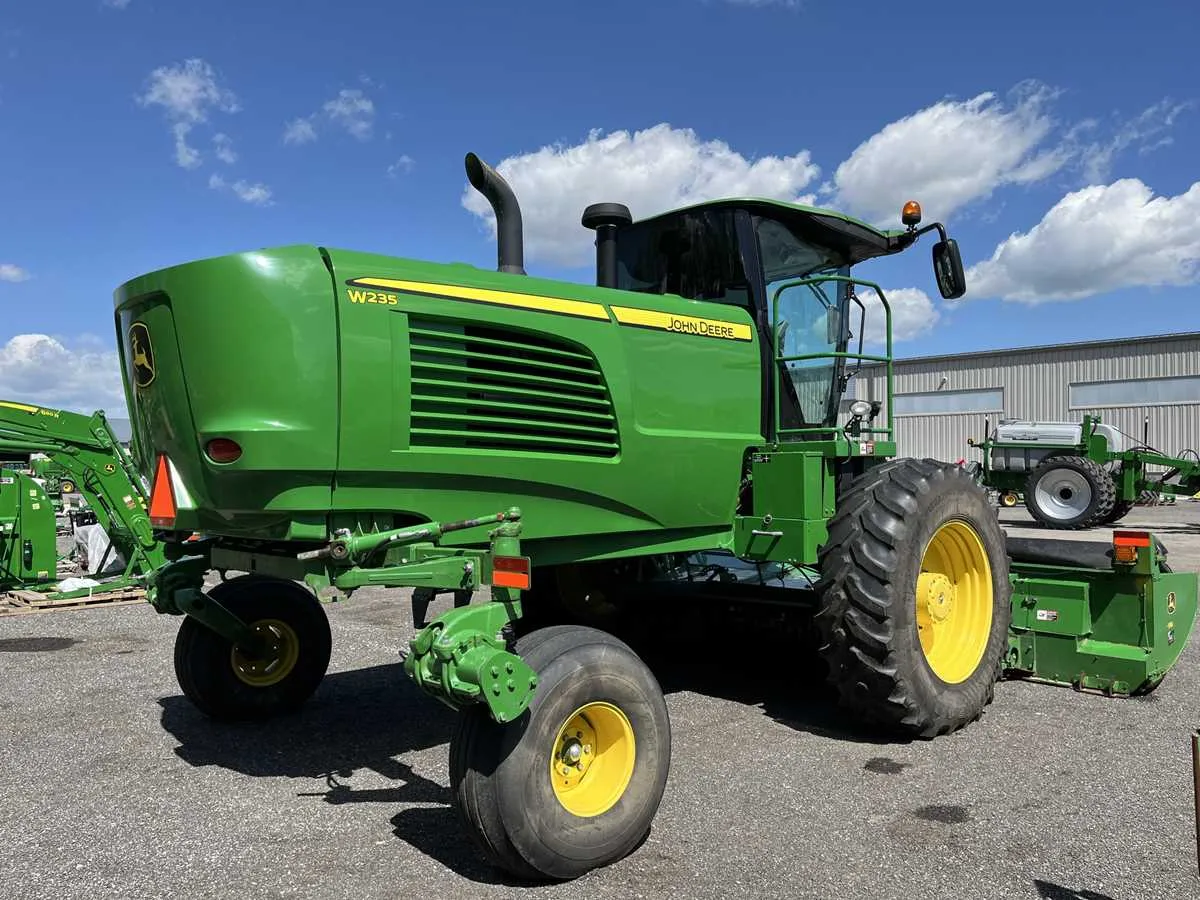
If you’re looking to get the most out of a 2020 John Deere model, knowing the specs is key to maximizing performance. John Deere has engineered these machines to be powerful and reliable, with specific features designed to meet the demands of any agricultural or construction task. Key attributes like engine performance, fuel capacity, and transmission types play a pivotal role in how the equipment handles various workloads.
The 2020 John Deere tractors, for example, come with an array of engine options, including the 4.5L to 13.5L engines, depending on the model. These engines deliver a balanced combination of power and fuel efficiency. In addition, their hydraulic systems are optimized for increased flow, ensuring smoother operation of implements and attachments. The transmission systems, including AutoQuad™ Plus and PowerShift, allow for seamless shifting, providing the operator with more control and reducing downtime.
When selecting the right model, be sure to consider the tire size, as it impacts the overall handling and traction on different terrains. John Deere offers a variety of tire options, from radial to bias-ply, which are tailored to specific conditions, whether you’re working on soft soil or hard ground. The cab design is another area of focus, with features like climate control and ergonomic seating to enhance comfort during long hours of operation.
2020 John Deere Specs
The 2020 John Deere lineup delivers robust and high-performance machinery designed to meet a variety of agricultural needs. Whether you’re looking at compact tractors or heavy-duty farm equipment, John Deere continues to lead with cutting-edge technology and reliability.
The John Deere 5M Series Tractors stand out with a power range from 75 to 115 horsepower. These tractors are engineered for maximum productivity in tight spaces, offering smooth maneuverability and excellent fuel efficiency. They come equipped with the CommandQuad™ PLUS transmission, providing easy shifting and optimal performance for different tasks.
For those who require more horsepower, the John Deere 8R Series tractors offer power ranging from 250 to 410 horsepower. These machines feature high-tech auto-steering systems and the JDLink™ connectivity, which allows for real-time tracking and remote diagnostics. This connectivity ensures that you can monitor machine performance and adjust parameters without leaving the field.
If you’re working with heavy loads or need exceptional lifting capacity, the John Deere 944K Hybrid Wheel Loader is a reliable option. Its hybrid drive combines the best of both worlds: efficient fuel consumption and increased productivity. It provides up to 16% better fuel economy compared to traditional loaders, making it ideal for long hours of operation.
John Deere’s 6R Series Tractors are also a solid choice for those seeking a balance between power and agility. With a horsepower range from 130 to 250, these models are perfect for operations requiring versatility, from tillage to hauling. Their advanced hydraulic systems and excellent rear lift capacity ensure smooth handling of heavy implements.
For users who demand precision in seeding and planting, the John Deere 1775NT Planter offers state-of-the-art precision planting technology. Its features like the ExactEmerge™ system allow for high-speed planting without sacrificing seed-to-soil contact, optimizing yield potential in a variety of field conditions.
In conclusion, whether you’re upgrading an existing fleet or expanding your operations, the 2020 John Deere models provide a wide range of specifications that cater to both small-scale and large-scale agricultural needs. Select the equipment that best matches your farm’s requirements and enhance your productivity year after year.
Engine Specifications and Performance for 2020 John Deere Models
The 2020 John Deere lineup offers powerful engines, designed for reliability and efficiency in demanding tasks. The engines feature advanced technologies that ensure smooth operation and durability under various conditions. Whether you’re using compact tractors or larger equipment, these models provide the muscle needed for any job.
For the John Deere 5E Series, the engines are powered by a 2.9L, 4-cylinder diesel engine. This engine delivers 60 to 75 horsepower, with a maximum torque of 243 Nm. The fuel efficiency is enhanced by the use of a turbocharger and intercooler system, which optimizes performance while reducing fuel consumption.
The John Deere 6M Series features more powerful 4.5L, 4-cylinder engines, producing between 105 and 135 horsepower. These engines are equipped with a common-rail fuel system that improves combustion efficiency, ensuring lower emissions and smoother performance. The 6M Series engines provide up to 500 Nm of torque, making them suitable for heavy-duty tasks such as plowing, tilling, and hauling.
Moving to the John Deere 7R Series, the engines in these models stand out with a 6.8L, 6-cylinder engine, capable of producing 190 to 250 horsepower. The inclusion of a Variable Geometry Turbocharger (VGT) helps to enhance power delivery and response, particularly in challenging conditions. With a peak torque of 1,120 Nm, these engines excel in demanding agricultural operations.
For operators focused on fuel economy, the John Deere 8R Series offers engines ranging from 280 to 410 horsepower, powered by a 9.0L, 6-cylinder engine. The engine is built with high pressure common rail fuel injection and an advanced cooling system, ensuring efficient use of fuel and optimal power output even under the most strenuous conditions. Torque output can reach up to 1,600 Nm, providing the necessary power for large-scale farming tasks like deep tilling and large implement usage.
Engine performance is further supported by the use of John Deere’s e13 Engine in the 9R Series, a 13.5L, 6-cylinder powerhouse that produces between 410 and 620 horsepower. The e13 engine incorporates a high-performance turbocharger and variable valve timing, resulting in improved fuel efficiency, better emissions control, and a smoother throttle response. This engine is designed for maximum productivity in large-scale operations.
The integration of IntelliPower in these engines ensures that power output adjusts automatically based on load conditions, allowing for improved fuel savings and reduced engine strain during non-peak tasks. These advancements make John Deere’s 2020 engines reliable for both high-efficiency and high-demand operations.
Whether handling smaller jobs or tackling the toughest agricultural challenges, the 2020 John Deere engines combine power, efficiency, and cutting-edge technology to ensure performance that meets or exceeds expectations.
Key Differences Between 2020 John Deere Tractor Variants
The 2020 John Deere tractors come in several variants, each designed for specific agricultural tasks. The primary differences lie in engine power, transmission types, and hydraulic systems.
The 5M Series tractors provide a balanced combination of power and fuel efficiency, making them ideal for smaller to medium-sized farms. With engine options ranging from 75 to 115 horsepower, they focus on durability and easy handling. In contrast, the 6R Series offers higher horsepower, from 120 to 250, catering to larger operations that require more power for heavier tasks like tilling and hauling. The 6R also boasts improved hydraulics, offering up to 110 liters per minute flow, compared to the 5M’s 85 liters per minute.
Transmission options vary significantly between the models. The 5M Series tractors are typically equipped with a manual transmission, providing simplicity and control. On the other hand, the 6R Series features the AutoPowr™ transmission, an infinitely variable system that adjusts speed seamlessly for optimal performance without the need for shifting gears manually. This feature enhances operator comfort, especially for extended hours of operation.
The 2020 7R Series tractors stand out with their CommandPRO™ joystick, allowing precise control over the tractor’s functions. They offer a higher torque range, with engines reaching up to 310 horsepower, suitable for challenging field conditions. The 7R models also come with advanced telematics, enabling fleet monitoring and diagnostics, which helps reduce downtime by detecting potential issues before they become critical.
Another key difference is the availability of additional comfort features in the higher-end models. The 6R and 7R Series are equipped with premium cab designs, including air-suspension seats and climate control, while the 5M’s cab is simpler, focusing more on functionality than luxury.
For farmers looking for a specific balance between power and ease of operation, the 2020 John Deere tractor range offers versatile choices to meet various needs, whether for light-duty or heavy-duty agricultural tasks.
Maintenance Requirements and Service Intervals for 2020 John Deere Equipment
For the 2020 John Deere equipment, keeping up with regular maintenance ensures optimal performance and longevity. Follow these maintenance schedules and requirements to keep your equipment running smoothly.
Engine Maintenance
- Oil Change: Change engine oil and filter every 100 hours or annually, whichever comes first.
- Air Filter: Inspect the air filter every 50 hours and replace it if necessary.
- Fuel Filter: Replace the fuel filter every 200 hours.
- Coolant: Check coolant level every 50 hours. Replace coolant every 2 years or 1,000 hours of operation.
Transmission and Hydraulic System
- Hydraulic Fluid: Replace hydraulic fluid every 500 hours or 2 years.
- Transmission Oil: Change transmission oil every 1,000 hours, checking fluid levels between changes.
- Hydraulic Filters: Replace filters every 500 hours to maintain optimal system pressure and performance.
Greasing and Lubrication
- Grease Points: Lubricate all grease points every 10 to 50 hours, depending on the equipment model. Refer to the operator’s manual for specific intervals.
- Chassis Lubrication: Perform chassis lubrication every 250 hours or every season.
Battery and Electrical System
- Battery Inspection: Clean battery terminals and inspect connections every 100 hours or after each use in extreme conditions.
- Electrical System Check: Inspect wiring, connections, and fuses at least once a season to avoid electrical issues.
Tires and Tracks
- Tire Pressure: Check tire pressure every 50 hours to ensure proper handling and performance. Adjust as needed.
- Track Inspection: Inspect tracks for wear every 250 hours. Adjust tension if necessary.
General Inspection
- Pre-Use Inspection: Perform a pre-use inspection before each operation. Check fluid levels, tire pressure, and for any signs of wear or damage.
- Seasonal Check: Conduct a thorough inspection at the start of each season, including engine checks, belts, and other components for wear and tear.
Sticking to these maintenance intervals will help maximize uptime and extend the service life of your 2020 John Deere equipment. Always refer to the operator’s manual for specific recommendations tailored to your model.