310SE John Deere Backhoe Bucket Capacity and Specifications

The John Deere 310SE backhoe features a bucket capacity designed for high productivity in various digging tasks. The loader bucket offers a capacity of 1.0 cubic yards for standard operations, which is optimal for handling most excavation and material moving projects. When working in tighter spaces or with denser materials, selecting the correct bucket configuration can maximize performance and prevent overloading the system.
The digging bucket, on the other hand, has a capacity of 0.4 cubic yards, providing precision and efficiency in trenching and other detailed tasks. This size allows operators to tackle deeper and narrower excavations with minimal adjustment. Always ensure that the bucket size matches the requirements of your project for optimal operational efficiency.
In addition, the 310SE’s backhoe bucket is engineered with reinforced edges and a durable design, which enhances performance across different types of soil and debris. This ensures durability and reliability even in challenging working conditions. For a more customized solution, consider different bucket shapes, as they are designed to handle specific tasks like loading, trenching, or general digging with added ease and safety.
310SE John Deere Backhoe Specs Bucket Capacity
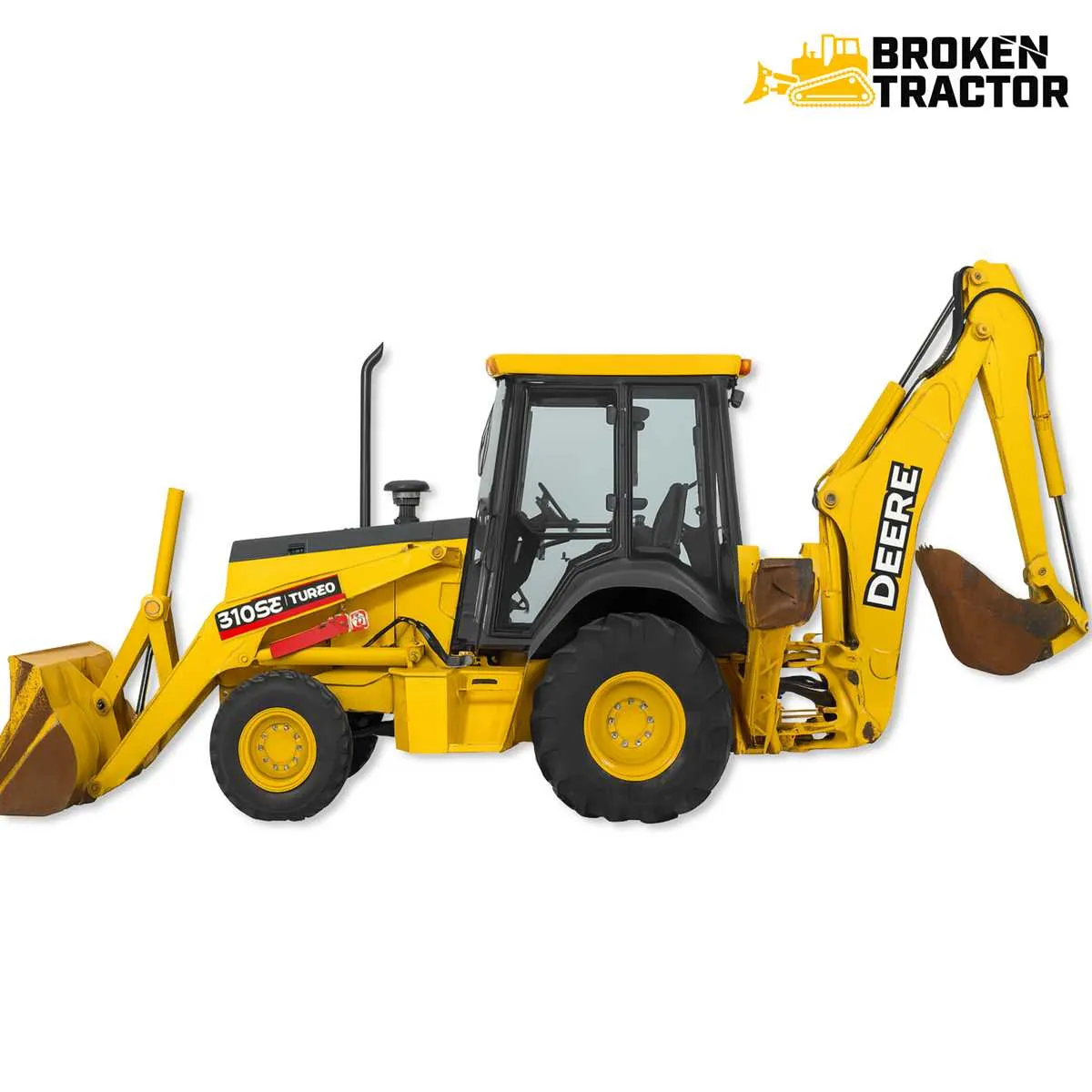
The 310SE John Deere backhoe offers excellent versatility with its bucket capacity, making it a reliable choice for various construction and landscaping tasks. The standard bucket capacity is 1.0 cubic yards, which suits general digging and material handling requirements. For heavy-duty applications, you can opt for the 1.2 cubic yard bucket, enhancing its performance in tougher environments.
When selecting the appropriate bucket size, consider the material you’re working with. For loose materials like sand or gravel, the 1.2 cubic yard bucket will provide better efficiency, allowing for quicker operation. However, if you are dealing with more compact or dense materials, a smaller bucket might be more suitable to avoid overloading the machine and reduce wear on components.
For quick changes, the 310SE backhoe supports a fast coupler system that allows for easy bucket swaps. This feature is particularly useful when switching between different sizes or types of buckets, optimizing productivity and minimizing downtime.
- Standard bucket capacity: 1.0 cubic yard
- Heavy-duty bucket option: 1.2 cubic yards
- Fast coupler system for quick bucket swaps
- Recommended for general to heavy-duty material handling
In summary, the 310SE’s bucket capacity options provide flexibility for varying tasks. The right bucket size will maximize performance while ensuring the longevity of the machine. For the best results, always match the bucket capacity to the material and job requirements.
Bucket Capacity and Size Specifications for the 310SE Model
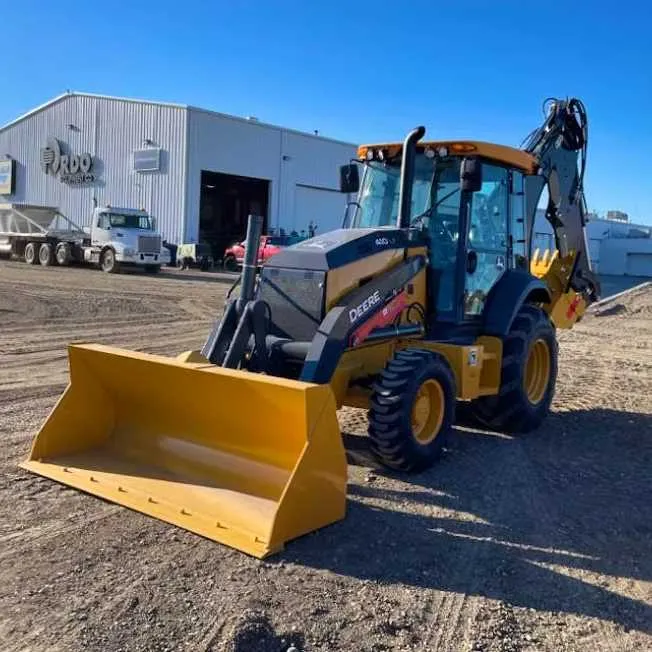
The 310SE John Deere backhoe is equipped with a bucket designed for versatile digging and material handling. Its standard loader bucket capacity is 1.0 cubic yards, offering a balance between size and handling capabilities for most tasks.
For enhanced performance, the backhoe offers optional bucket sizes, ranging from 0.8 cubic yards for more precise digging, to 1.3 cubic yards for larger projects requiring increased volume. When selecting a bucket, consider the nature of the work and required lift capacity.
The bucket width also varies, with options typically between 72 inches and 96 inches, depending on the attachment selected. This flexibility allows users to choose a bucket that suits their specific site requirements, whether for tight spaces or larger excavation needs.
Additionally, the bucket design integrates strong, durable materials, ensuring optimal performance under demanding conditions. The robust build contributes to reducing downtime and extending service life, making the 310SE a reliable choice for frequent use in construction or landscaping projects.
How the 310SE Bucket Capacity Impacts Performance in Various Tasks
The 310SE backhoe’s bucket capacity directly influences its ability to handle different workloads. With a standard bucket capacity of 1.0 cubic yards, this model is optimized for moderate excavation, digging, and material handling tasks. For heavier or larger material loads, selecting the appropriate bucket size ensures optimal performance without overloading the machine.
A larger bucket capacity allows for fewer passes, increasing efficiency in tasks like trenching or loading loose material. However, using a larger bucket can also reduce maneuverability, especially in tight spaces or on sloped surfaces. For precise tasks like grading or digging around utilities, a smaller bucket might be more effective, offering better control and precision.
In applications where speed is crucial, such as loading or moving loose material, a larger bucket will improve overall productivity by moving more material per scoop. On the other hand, in delicate operations, such as digging near foundations or landscaping, using a smaller bucket may provide better accuracy, reducing the risk of disturbing surrounding areas.
Choosing the correct bucket size based on the task type will improve efficiency and extend the longevity of the 310SE backhoe. This ensures better fuel consumption and fewer mechanical issues related to overloading or underutilization.
Comparison of 310SE Bucket Capacity with Other Backhoe Models
The 310SE John Deere backhoe bucket capacity is 1.0 cubic yards, making it suitable for a wide range of medium-duty tasks. Compared to the 310L, which has a bucket capacity of 1.1 cubic yards, the 310SE’s slightly smaller capacity means it is more agile for smaller projects but may require additional passes for larger loads. In contrast, the 410L, with a bucket capacity of 1.3 cubic yards, handles heavier loads more efficiently, but may be less maneuverable in tight spaces.
The 310SE excels in applications requiring moderate digging depths, like utility trenching or light construction. For heavier construction jobs, such as deep trenching or material loading, the 410L offers more capacity but at the cost of increased weight and reduced mobility.
When choosing between these models, consider the type of work. The 310SE is ideal for tasks that don’t demand maximum bucket size but still require reliable performance. If handling larger volumes of material with fewer cycles is a priority, the 410L may be a better fit. However, if maneuverability and fuel efficiency are more important, the 310SE remains a solid option.