John Deere Skid Steer 320 Specifications and Key Features
The John Deere 320 skid steer loader offers a powerful and versatile solution for a wide range of tasks. With a rated operating capacity of 1,750 lbs, this model can handle heavy loads with ease, making it ideal for construction, landscaping, and agriculture. Its lift height of 126 inches ensures that you can reach high places without difficulty, and the compact design allows for excellent maneuverability in tight spaces.
Equipped with a 68.6 hp engine, the John Deere 320 provides impressive performance. It features a fuel-efficient, liquid-cooled, 4-cylinder engine that delivers consistent power while minimizing fuel consumption. The hydrostatic drive system provides smooth and responsive operation, giving the operator full control over speed and direction.
The spacious operator’s station in the 320 is designed for comfort and ease of use. With adjustable controls and a high-visibility cabin, it reduces operator fatigue, even during long shifts. The machine also boasts excellent ground clearance, allowing it to tackle rough terrain without compromising stability.
For added flexibility, the John Deere 320 comes with a wide selection of attachments, from buckets to augers and grapples. This versatility makes it a top choice for many industries, as it can be easily adapted to meet various job requirements.
John Deere Skid Steer 320 Specs
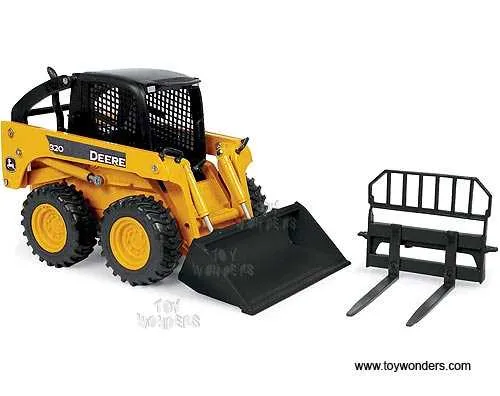
The John Deere Skid Steer 320 offers powerful performance and versatility for a wide range of tasks. With a rated operating capacity of 1,750 lbs, it provides impressive lifting capabilities for handling heavy loads. Its gross engine power of 74 horsepower ensures smooth operation even in demanding conditions.
Equipped with a 4-cylinder diesel engine, the 320 combines efficiency and durability. The machine’s hydrostatic transmission offers seamless control and precise speed adjustments, making it ideal for both construction and landscaping projects.
For maneuverability, the 320 features a radius of turn of just 6.7 feet, making it highly agile in tight spaces. The operating weight is around 6,315 lbs, providing a balanced design that enhances stability while lifting and transporting materials.
The 320 comes with a vertical lift path, enabling the machine to lift materials to greater heights with minimal forward tilt. It has a maximum lift height of 121.3 inches, ideal for loading trucks and reaching elevated areas.
The skid steer’s tipping load is rated at 3,500 lbs, allowing it to tackle a wide range of attachments and tools. The machine’s fuel tank holds 22.5 gallons, which ensures longer work durations without frequent refueling.
Its hydraulic system operates at a flow rate of 23.6 gallons per minute, providing sufficient power for various attachments, such as augers, grapples, and trenchers. The 320 also features easy-to-use controls for quick attachment swaps, increasing productivity on the job site.
Overall, the John Deere 320 skid steer offers reliable performance and durability, making it a solid choice for operators seeking a versatile and powerful machine for their projects.
Engine and Performance Features of John Deere 320 Skid Steer
The John Deere 320 Skid Steer is powered by a robust 67 horsepower engine. This engine allows for consistent performance, even in demanding environments. With a net engine torque of 169 lb-ft, it delivers enough power to handle heavy lifting and tough terrain without compromising efficiency.
Thanks to the diesel engine, the 320 provides improved fuel economy. The machine is equipped with a tier 4 emissions-certified engine, which meets current environmental regulations while maintaining high performance. The engine is designed for maximum reliability and longevity, reducing downtime and maintenance costs.
One of the standout features is the Hydrostatic drive system. This system ensures smooth, precise control over speed and direction, even during high-intensity tasks. Whether moving at a top speed of 10.2 mph or lifting heavy loads, the hydrostatic drive provides exceptional responsiveness and traction.
The 320’s engine is paired with a high-flow hydraulic system, delivering up to 23.3 gallons per minute. This boosts the machine’s productivity when using attachments like augers, hydraulic hammers, or trenchers, allowing for faster operation and better efficiency in various tasks.
The engine’s cooling system is designed to handle prolonged use in hot conditions, helping to prevent overheating and ensuring consistent performance over long work hours.
Load Capacity and Hydraulic System of the John Deere 320
The John Deere 320 skid steer boasts an impressive load capacity, making it a reliable machine for various tasks. With a rated operating capacity (ROC) of 1,750 lbs, this model handles medium-duty lifting and pushing with ease, offering solid performance in construction, landscaping, and agricultural settings.
The machine’s lift arm is engineered to handle heavy loads safely, and its tipping load reaches 3,500 lbs, ensuring stability when dealing with demanding tasks. The tipping load represents the maximum weight that will cause the machine to tip over when lifting a load, making it crucial to always operate within these limits for safe performance.
The hydraulic system on the John Deere 320 is designed for both power and precision. Its high-performance hydraulic pump delivers up to 23.5 gallons per minute (GPM), providing enough flow to operate attachments like augers, grapples, and buckets with ease. This system ensures smooth and reliable operation, allowing for a wide range of accessories to be used effectively.
With a lift height of 10 feet 4 inches, the John Deere 320 is capable of lifting loads to significant heights while maintaining strong hydraulic power. The quick-attach system further improves versatility, making switching between attachments seamless and fast.
When utilizing the hydraulic system, keep in mind that the working pressure is 3,300 psi, which is optimal for high-demand tasks. This pressure supports robust lifting capabilities while maintaining the integrity of the machine’s components under load.
- Rated Operating Capacity (ROC): 1,750 lbs
- Tipping Load: 3,500 lbs
- Hydraulic Pump Flow: 23.5 GPM
- Hydraulic Pressure: 3,300 psi
- Lift Height: 10 feet 4 inches
In short, the John Deere 320’s load capacity and hydraulic system offer a combination of power and reliability, making it suitable for tough work environments. Adhering to the specified capacities ensures efficient performance and extends the lifespan of both the machine and its hydraulic components.
Maintenance and Durability Aspects of John Deere 320 Skid Steer
The John Deere 320 skid steer is built to withstand tough working conditions, but regular maintenance is crucial to keep it running smoothly. Always check the oil levels and replace the oil filter every 250 hours or at least once a year. Be sure to use the recommended oil type to maintain engine efficiency and avoid unnecessary wear.
The hydraulic system requires periodic checks, particularly the fluid levels. Change the hydraulic filter every 1,000 hours or as needed, depending on the operating environment. Inspect the hoses and fittings regularly for leaks, as even minor issues can lead to major system failures. For maximum durability, use high-quality hydraulic fluid that meets John Deere’s specifications.
The cooling system should be cleaned at regular intervals. Ensure the radiator and the cooling fins are free from debris to prevent overheating. A clogged radiator can reduce engine performance and shorten its life. Check the fan belt and tension regularly to avoid unnecessary strain on the engine.
For the undercarriage, make sure to inspect the tracks and rollers every 500 hours. Keep an eye on the wear patterns, especially if you frequently work on uneven surfaces or in harsh conditions. If the tracks are excessively worn, replacing them sooner will avoid damage to other parts like the sprockets and bearings.
Routine tire checks are also important. The John Deere 320 comes with solid or pneumatic tires, both of which need regular inspections. Inspect tire pressure and tread depth. If using pneumatic tires, avoid under-inflating, as this can lead to uneven wear and compromised performance. Replace tires as needed to prevent further mechanical strain.
Electrical components should not be overlooked. Regularly check the battery terminals for corrosion, and clean them as necessary. The John Deere 320 features a heavy-duty battery, but keeping the terminals clean ensures longer battery life and prevents starting issues.
Lastly, keep the cab and frame clean to prevent debris buildup, which could affect visibility and machine operation. Cleaning is simple but necessary to preserve the appearance and functionality of the equipment.