John Deere LA105 Engine Oil Specifications and Requirements
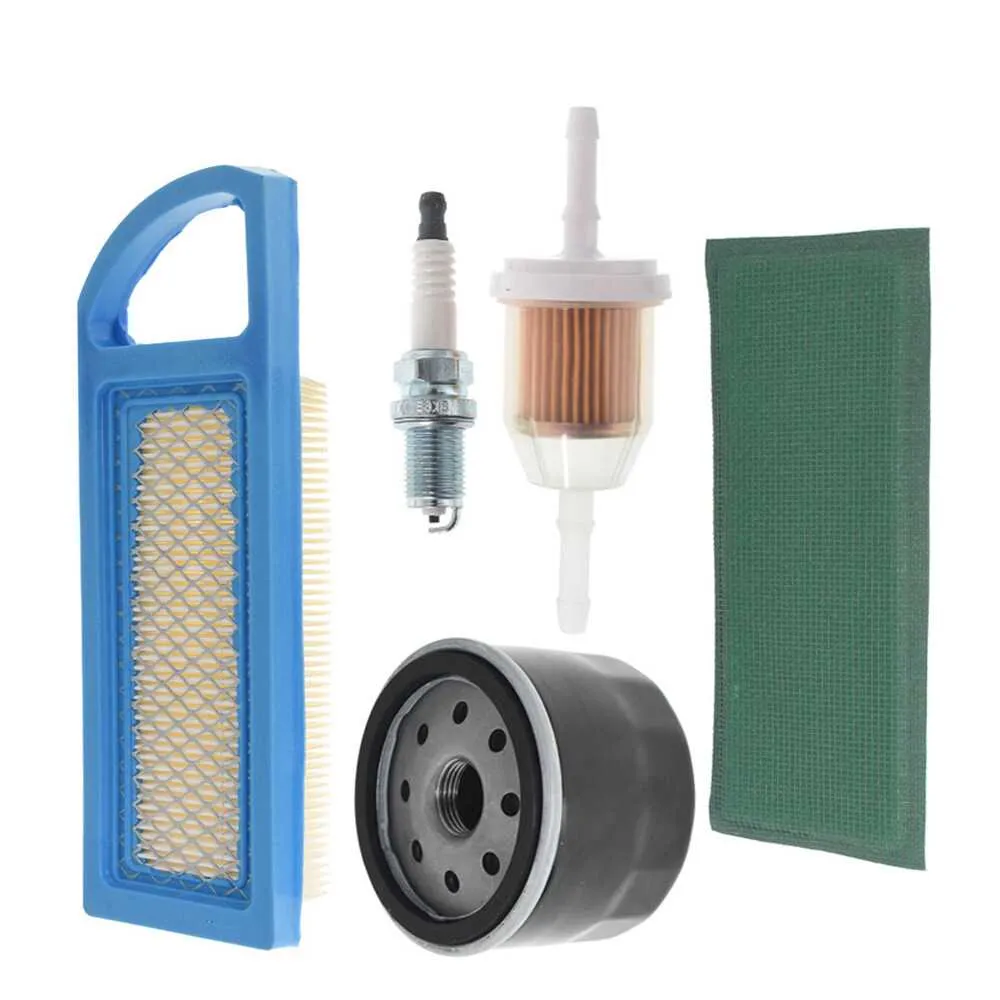
The John Deere LA105 requires SAE 10W-30 engine oil for optimal performance. This oil grade ensures smooth engine operation across a wide range of temperatures. It’s crucial to use oil that meets the manufacturer’s standards for proper engine function and longevity.
Change the oil at regular intervals, typically every 50 hours of operation or once per season, whichever comes first. This prevents engine wear and helps maintain efficiency over time. Always check the oil level before each use to ensure proper lubrication and prevent engine damage.
Use only high-quality, detergent-type oil with the API classification SF, SG, SH, SJ, or higher. This ensures compatibility with the engine’s internal components, reducing the risk of premature wear and improving fuel efficiency.
John Deere LA105 Engine Oil Specifications
The John Deere LA105 requires high-quality engine oil to ensure optimal performance and longevity. Use SAE 10W-30 or 10W-40 motor oil meeting API service classification SJ or higher. These oils work well in varying weather conditions, offering smooth engine operation across different temperatures.
The oil capacity is 1.5 quarts (1.4 liters) with the filter. Always check the oil level using the dipstick and top up if necessary to maintain proper lubrication. Make sure to replace the oil filter with every oil change to maintain engine efficiency and protect the internal components from contamination.
If operating the tractor in colder climates, consider using a multi-viscosity oil such as 5W-30, as it provides improved cold-start performance without sacrificing protection during warmer weather. Always consult the owner’s manual for any specific recommendations or adjustments based on local conditions.
Recommended Oil Types for John Deere LA105
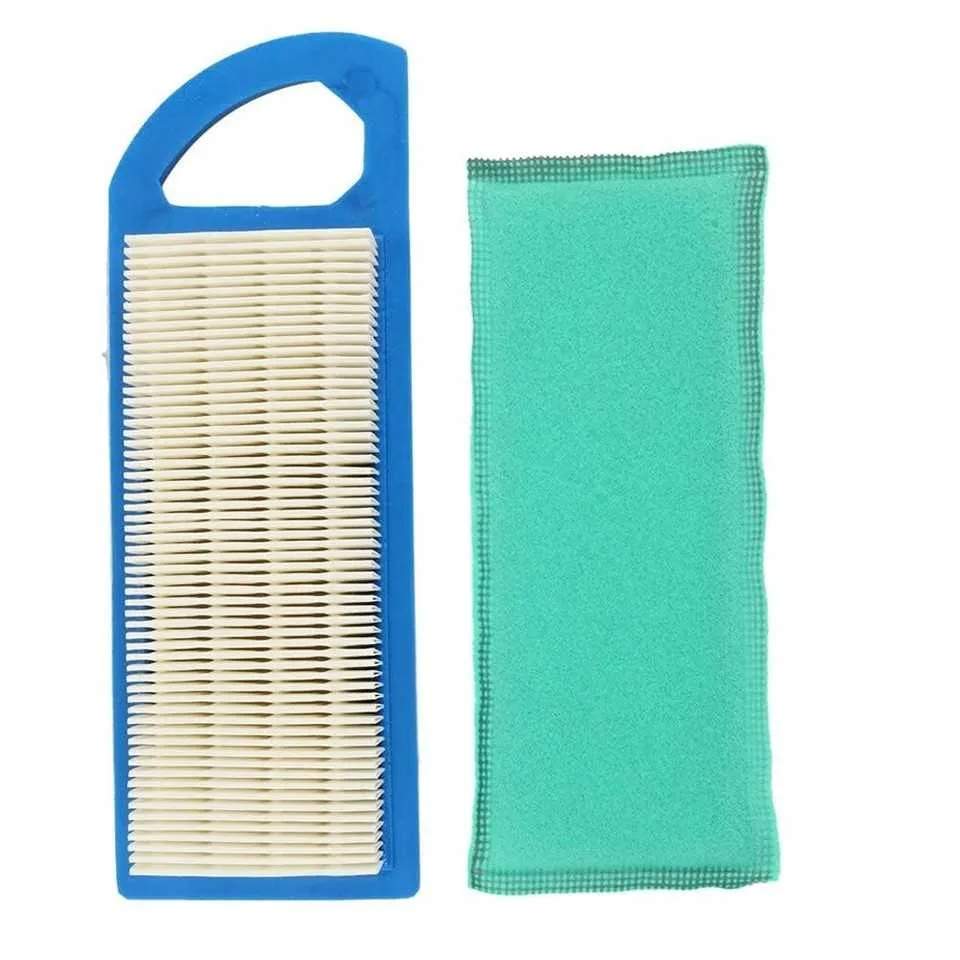
For the John Deere LA105, it is highly recommended to use high-quality 10W-30 engine oil for optimal performance. This multi-viscosity oil is suitable for a range of temperatures, ensuring smooth engine operation in various weather conditions.
It is advisable to choose oil that meets the API service classification of SF, SG, SH, or higher. These oils offer improved protection against wear, corrosion, and deposit buildup.
If you operate your LA105 in extreme temperatures, you may consider switching to 5W-30 or 5W-40 oil for better performance in colder or hotter climates. However, ensure that the oil meets the required API classification.
For the best results, avoid using oils with additives or those labeled for high-mileage engines, as they may not be compatible with the engine specifications of the LA105.
Proper Oil Change Intervals and Procedures
For optimal engine performance, change the engine oil of the John Deere LA105 every 50 hours of operation or at least once per season, whichever comes first. Regular oil changes help maintain the engine’s efficiency and extend its life.
Before starting the oil change, ensure the engine is cool to prevent burns. Position the mower on a flat surface, and place a container beneath the oil drain plug. Use the appropriate tools to remove the plug and allow the oil to drain completely.
Once drained, replace the oil filter with a new one that matches the model specifications. Refill the engine with the recommended oil type, ensuring the oil level is within the indicated range on the dipstick. Use a funnel to avoid spills, and check the level again after starting the engine to ensure proper circulation.
Dispose of the used oil and filter responsibly, following local environmental guidelines. Regular oil changes keep your engine running smoothly and reduce the risk of costly repairs.
Identifying Common Oil-Related Issues and Solutions
Oil leaks around the engine can be a sign of worn-out seals or gaskets. Inspect the oil drain plug, oil filter, and other connections for leaks. If the leak is persistent, replace the faulty seal or gasket to prevent further damage.
Low oil pressure can indicate several issues, such as insufficient oil levels or a malfunctioning oil pump. Regularly check the oil level using the dipstick and top up if necessary. If the oil pressure warning light stays on, inspect the oil pump or consult a technician for a more detailed diagnosis.
Oil sludge buildup may occur when the oil is not changed regularly. Over time, this sludge can block the engine’s oil passages, leading to reduced engine performance. To avoid this, follow the recommended oil change intervals and ensure proper oil filtration.
- Replace oil filters at regular intervals to ensure clean oil circulation.
- Use the recommended oil type and viscosity to maintain engine health.
Dark, thick oil is a sign that the oil has degraded and is no longer performing effectively. Change the oil immediately if it appears unusually dark or thick. Regular oil changes help keep the engine running smoothly.
Unusual engine noises, such as knocking or tapping, can be caused by inadequate oil levels or poor-quality oil. Check the oil level and top it up as needed. If the noise persists, drain the oil and replace it with fresh oil of the recommended type.