John Deere Low Vis Hy Gard Fluid Specifications and Features
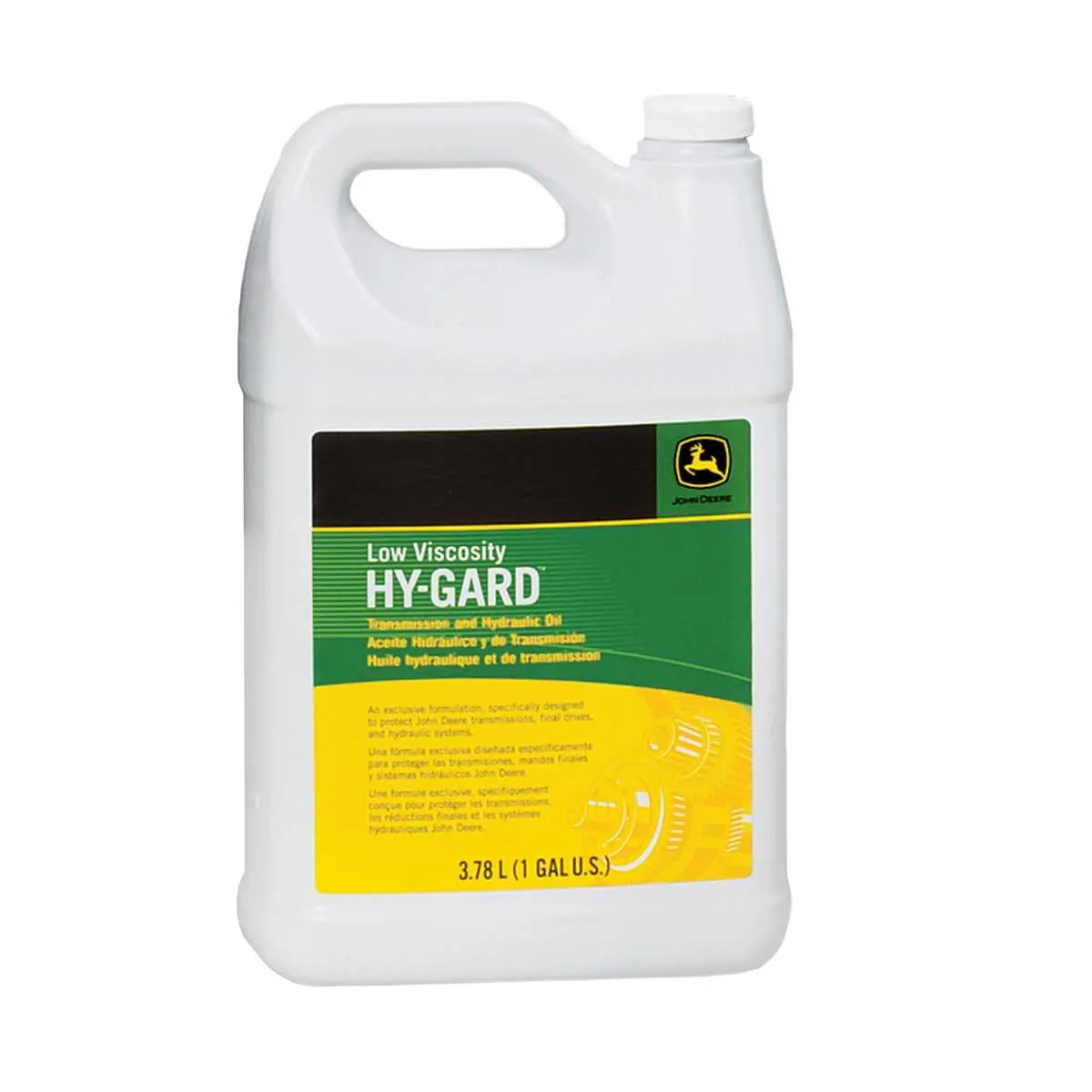
The John Deere Low Vis Hy Gard oil offers a high-performance solution for hydraulic systems operating in demanding conditions. This fluid is designed to provide reliable protection against wear, rust, and corrosion while ensuring smooth operation even at low temperatures.
The Low Vis Hy Gard is formulated to maintain optimal viscosity across a wide range of temperatures, making it ideal for cold-weather use. It is particularly beneficial for machinery operating in harsh environments, where temperature fluctuations can affect fluid performance.
For machinery owners, using the correct fluid is key to maximizing operational life and efficiency. The Low Vis Hy Gard fluid is engineered to reduce the need for frequent maintenance and help extend the life of critical hydraulic components. Its superior anti-foaming and anti-wear properties contribute to the overall longevity of your equipment.
Operators can expect consistent performance even in extreme conditions, thanks to the fluid’s ability to perform under pressure and prevent the buildup of sludge or deposits. The Low Vis Hy Gard also meets the specific requirements of John Deere machinery, ensuring optimal performance and reducing downtime during operations.
John Deere Low Vis Hy Gard Specs
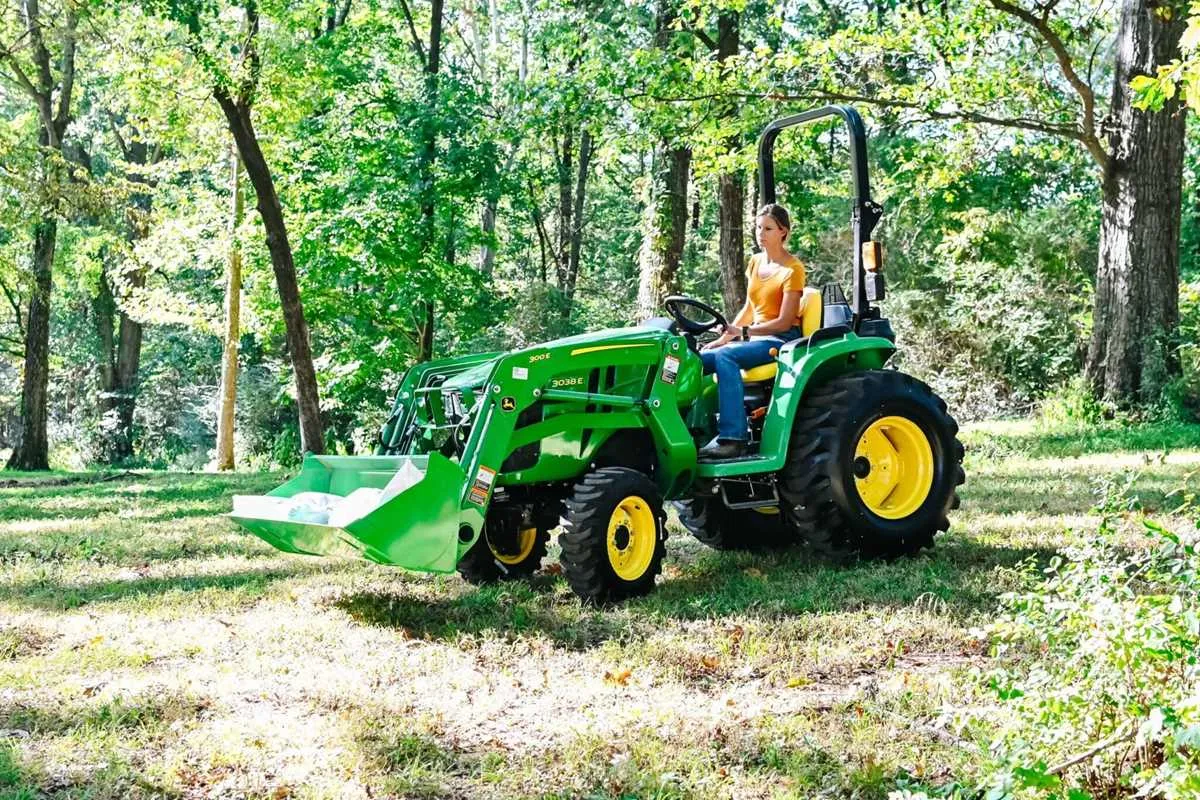
John Deere Low Vis Hy Gard is designed for optimal performance in heavy-duty machinery. This hydraulic fluid provides superior protection against wear, corrosion, and foam. Its formula ensures smooth operation in a range of temperatures, enhancing the efficiency of hydraulic systems.
The fluid maintains its viscosity at high operating temperatures, ensuring consistent hydraulic pressure. It also helps reduce the risk of pump cavitation, making it ideal for high-load environments. When choosing a hydraulic fluid, selecting the right one like Low Vis Hy Gard will prevent system breakdowns and extend the lifespan of machinery components.
For tractors and other heavy equipment, this fluid offers excellent shear stability, ensuring that the fluid maintains its properties under high-stress conditions. This results in fewer maintenance needs and longer intervals between fluid changes, reducing operational costs.
Keep in mind that Low Vis Hy Gard should be replaced according to manufacturer recommendations to ensure peak performance and avoid contamination. Always use it in systems that specify its compatibility to maximize benefits.
Viscosity and Temperature Range of Low Vis Hy Gard Fluid
The Low Vis Hy Gard fluid is designed to provide optimal performance under varying temperature conditions. It maintains its viscosity within a wide temperature range, ensuring reliable functionality in both cold and hot environments.
For cold weather, the fluid has a low pour point, which allows for smooth operation even in temperatures as low as -30°F (-34°C). This property ensures that hydraulic systems start up and function efficiently without the need for additional warm-up time.
At higher temperatures, Low Vis Hy Gard fluid retains its viscosity stability, preventing breakdown and reducing wear on critical components. The fluid remains effective in temperatures up to 100°F (38°C), making it suitable for a broad range of operating conditions.
Here are some key characteristics of the fluid’s viscosity range:
- Viscosity at 100°F (38°C): 14.5 cSt
- Viscosity at 40°C: 32.5 cSt
- Viscosity index: 150
The fluid’s design ensures that it adapts to both low and high temperature extremes, minimizing the risk of system failure and enhancing longevity. Always ensure to check manufacturer recommendations for the most suitable operating temperature for your equipment.
Compatibility with John Deere Equipment Models
John Deere Low Vis Hy Gard fluid is compatible with a wide range of John Deere equipment models. This fluid is specifically designed to work with various tractors, harvesters, and other machinery that require low-viscosity hydraulic oils.
For tractors, models such as the 5E, 6M, 7R, and 8R series can benefit from Low Vis Hy Gard fluid. These models often operate in demanding environments where lower viscosity fluids help maintain performance, especially in colder conditions.
Hydraulic systems in construction equipment, such as the John Deere 700K, 850K, and 950K dozers, are also compatible with this fluid. Low Vis Hy Gard fluid ensures smooth operation in temperature extremes, maintaining the hydraulic system’s responsiveness.
In addition, the fluid is suitable for combines like the John Deere S Series, offering enhanced flow and protection in the combine’s hydraulic circuits.
It is important to always verify compatibility with your specific model by consulting the equipment’s operator manual to ensure optimal performance and avoid potential issues related to fluid types.
Performance Features and Operational Benefits
John Deere Low Vis Hy Gard fluid provides superior performance by offering enhanced lubrication at lower temperatures. This fluid helps maintain optimal system functionality in colder environments, ensuring smoother operation in hydraulic and transmission systems. Its low viscosity enables better flow through small passages and tighter tolerances, reducing wear and tear on critical components.
The fluid’s high shear stability supports a consistent performance level, even under varying loads and high stress, reducing the frequency of maintenance intervals. By promoting consistent and reliable performance, it helps lower operational costs and extend the lifespan of equipment.
In addition, Low Vis Hy Gard’s excellent oxidation resistance ensures less degradation over time, maintaining its integrity and preventing system contamination. This contributes to fewer fluid changes and reduced downtime, boosting productivity.
For operators working in harsh conditions, the fluid’s ability to perform efficiently across a wide range of temperatures increases reliability and reduces the likelihood of mechanical failures. It enhances operational efficiency, helping to keep machinery running smoothly in demanding environments.