John Deere D130 Battery Specifications and Compatibility Details
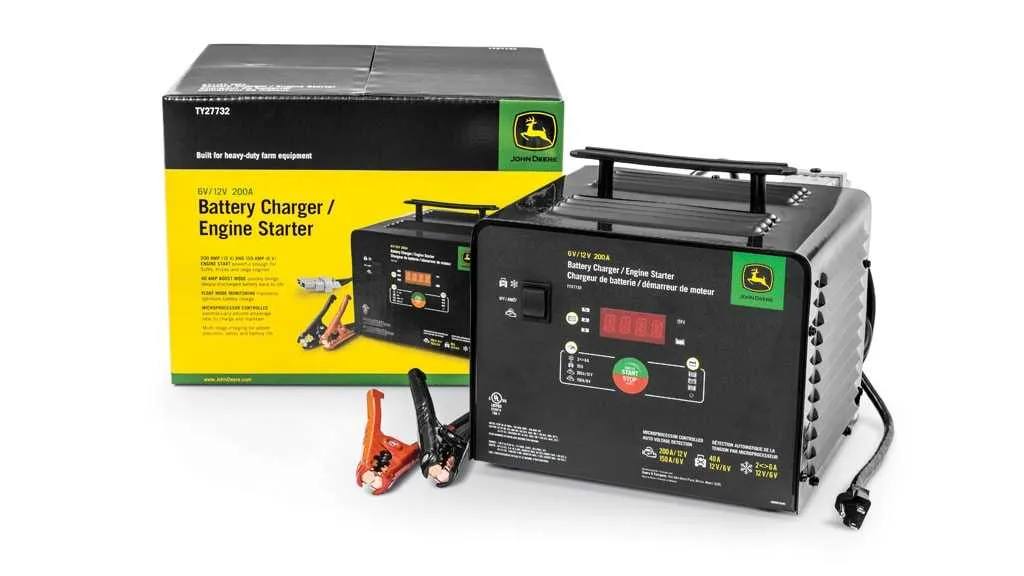
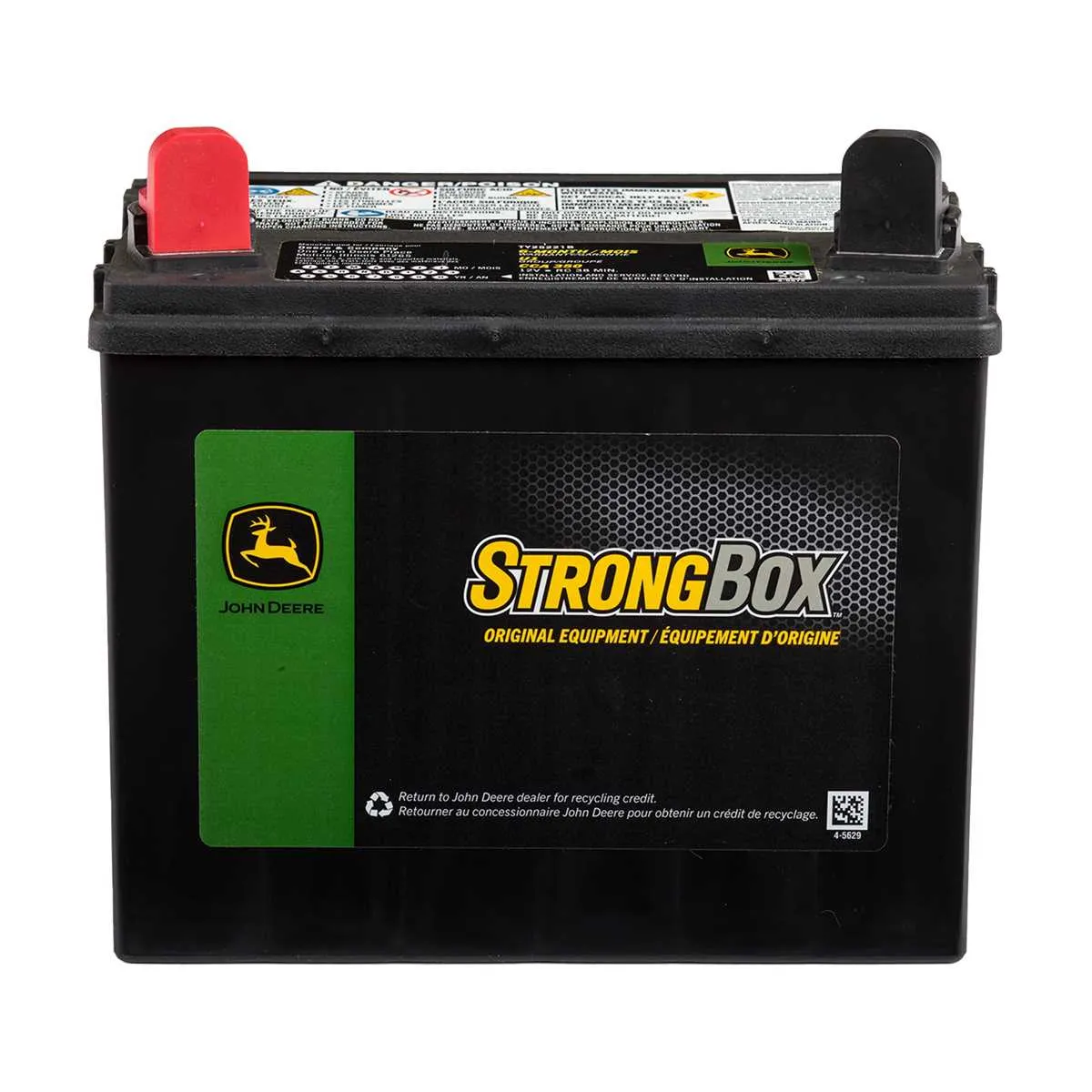
The John Deere D130 lawn tractor uses a 12-volt, 35-amp-hour lead-acid battery. It is specifically designed to provide reliable power for starting the engine and running various electrical components of the tractor. When replacing the battery, ensure compatibility with the recommended specifications to maintain optimal performance and longevity.
To ensure a proper fit, the battery should have dimensions of approximately 7.7 inches in length, 5.2 inches in width, and 7.3 inches in height. The D130 uses a Group U1 battery, a standard size commonly used in lawnmowers and small tractors. Always check the terminal configuration–positive on the left and negative on the right–to avoid any wiring issues during installation.
If you need a replacement, it’s crucial to choose a battery with a cold cranking amps (CCA) rating of at least 230 for reliable starts, especially in colder weather. A higher CCA ensures the battery can provide enough power to start the engine under less-than-ideal conditions, such as in colder climates.
John Deere D130 Battery Specifications
The John Deere D130 uses a 12-volt lead-acid battery. The recommended battery type is Group U1, designed for reliable starting and power. The battery typically has a cold-cranking amps (CCA) rating of 230, providing sufficient power for reliable engine starts in various conditions.
The battery’s dimensions are approximately 7.7 inches in length, 5.2 inches in width, and 7.3 inches in height. It weighs around 14-15 pounds, making it relatively easy to handle during installation or replacement.
It is advisable to choose a high-quality, maintenance-free battery for the D130 to ensure optimal performance. The battery voltage should be checked regularly to avoid undercharging or overcharging. Maintaining a proper charge is key to extending battery life and ensuring consistent engine starts.
For best results, consider replacing the battery if it drops below the recommended CCA or shows signs of wear, such as difficulty starting the engine. Always disconnect the negative terminal first when working on the battery, and ensure it’s securely mounted to prevent vibration damage.
Battery Type and Compatibility for John Deere D130 Lawn Tractor
The John Deere D130 lawn tractor requires a 12-volt, 240 CCA (cold cranking amps) lead-acid battery. The recommended battery type is Group U1, specifically designed for smaller garden tractors. This size ensures proper fit and performance. A popular option is the John Deere branded battery, but other compatible alternatives, such as Exide, Interstate, and Duracell, also work well as long as they meet the Group U1 and CCA requirements.
When replacing the battery, ensure the voltage matches at 12V, and the CCA rating meets or exceeds 240. Using a battery with a lower CCA may cause difficulty starting the engine, especially in colder weather. Pay attention to the dimensions of the battery: it should measure approximately 7 1/4″ in length, 5 1/4″ in width, and 6 1/2″ in height. This size ensures the battery fits securely in the compartment and connects properly with the terminals.
Battery terminals should be cleaned regularly and checked for corrosion to prevent any performance issues. Additionally, ensure the battery is securely mounted to avoid any shifting during operation. Always verify that the replacement battery is compatible with your tractor model before purchasing to avoid installation issues or reduced performance.
How to Replace the Battery on a John Deere D130
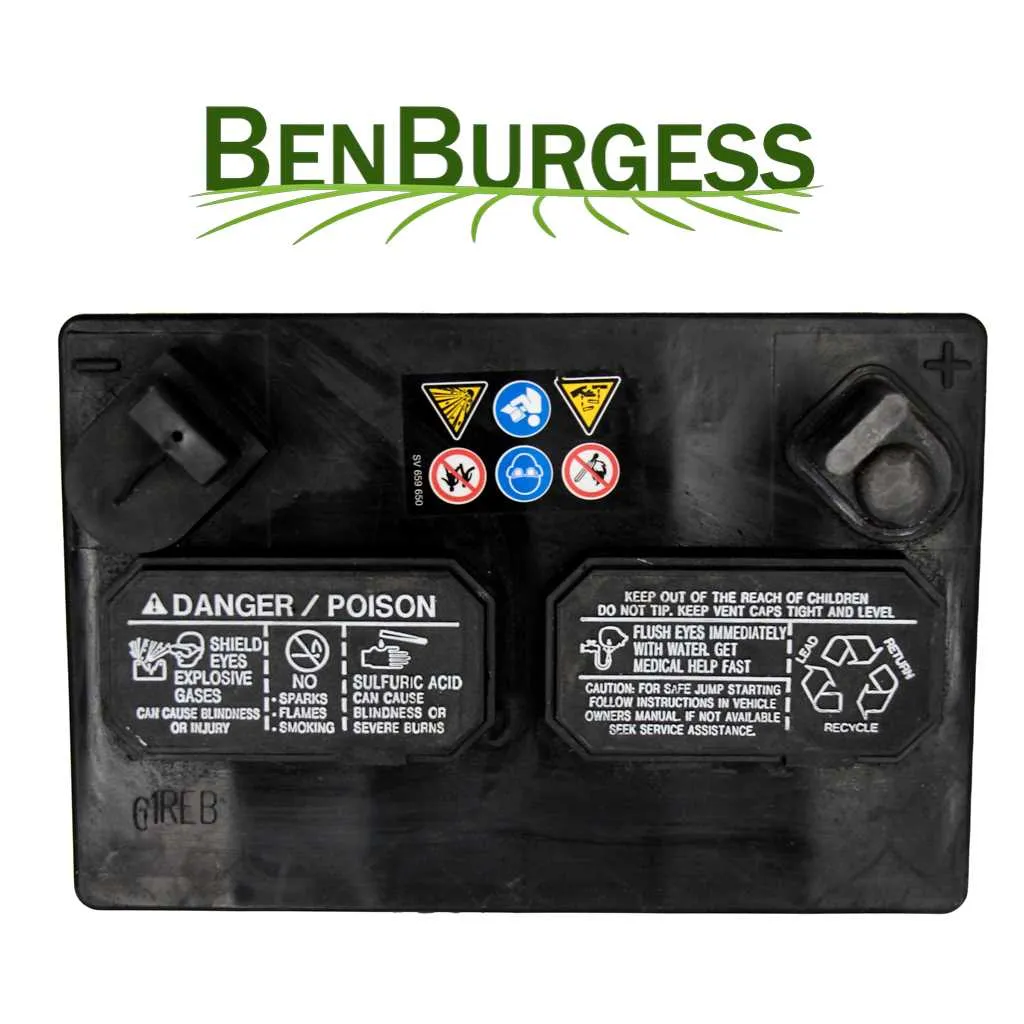
First, ensure the lawn mower is on a flat surface with the ignition turned off. Wear safety gloves and glasses for protection. Disconnect the negative terminal of the battery to prevent any accidental electrical shorts. Use a 10mm socket wrench to loosen the bolt securing the negative cable to the battery, then remove it.
Next, remove the battery securing bracket or strap. For the John Deere D130, there may be a bracket on either side of the battery that needs to be unscrewed. This is usually done with a 7mm socket wrench. Once the bracket is off, carefully lift the battery out of the compartment. Be cautious as batteries can be heavy.
Before installing the new battery, check the battery tray for dirt or corrosion. Clean the area with a dry cloth. Place the new battery in the tray with the terminals facing outward. Ensure the battery is positioned securely to avoid movement during operation.
Connect the positive terminal first by placing the red cable on the positive terminal and tightening the bolt with a 10mm wrench. Then, connect the negative terminal by attaching the black cable to the negative terminal and securing it tightly. Double-check both connections for tightness.
Reinstall any battery securing brackets or straps, ensuring the battery is firmly in place. Finally, start the mower to confirm the battery is working correctly. If the mower starts without issues, the replacement is complete.
Optimal Battery Maintenance for Longevity in John Deere D130
To extend the lifespan of your John Deere D130 battery, consistent maintenance is key. Proper care ensures your battery operates at its peak, preventing premature failure.
Start by regularly checking the battery’s charge level. Keep it between 12.6 and 12.8 volts for optimal performance. Below 12.4 volts indicates the battery is undercharged, while anything below 12.0 volts can lead to damage over time. Use a multimeter to measure voltage accurately.
Keep the battery terminals clean and free of corrosion. Corrosion can hinder the battery’s performance and may even cause it to fail prematurely. To clean, disconnect the battery and use a mixture of baking soda and water to scrub the terminals. Apply a thin layer of petroleum jelly afterward to prevent future corrosion.
Ensure the battery is securely fastened in place. A loose battery can lead to vibrations, which can damage internal components and cause premature wear. Tighten the battery hold-down clamp as necessary, but avoid overtightening to prevent damage to the battery casing.
Charge the battery regularly. Even during off-seasons, if the mower isn’t in use, charge the battery every 30-45 days. This helps prevent sulfation, a process where lead sulfate crystals build up on the plates, reducing the battery’s efficiency.
If the battery will not be used for a prolonged period, disconnect it to prevent discharge. Store the battery in a cool, dry place. Extreme temperatures can significantly shorten its lifespan, so avoid leaving the battery in direct sunlight or near heat sources.
Check the battery’s fluid level if it’s not a sealed model. If the fluid is low, refill it with distilled water. Never use tap water, as it contains minerals that can damage the battery over time.
Perform regular load tests. These tests check whether the battery can handle a heavy load. If the battery struggles to perform under load, it may need replacing.
Lastly, keep an eye on the battery’s age. Most lawn mower batteries last around 3-5 years, depending on usage and care. If it’s nearing the end of its lifespan, replacing the battery before it fails will save you from unexpected downtime.