Specifications and Features of the John Deere Marine Engine
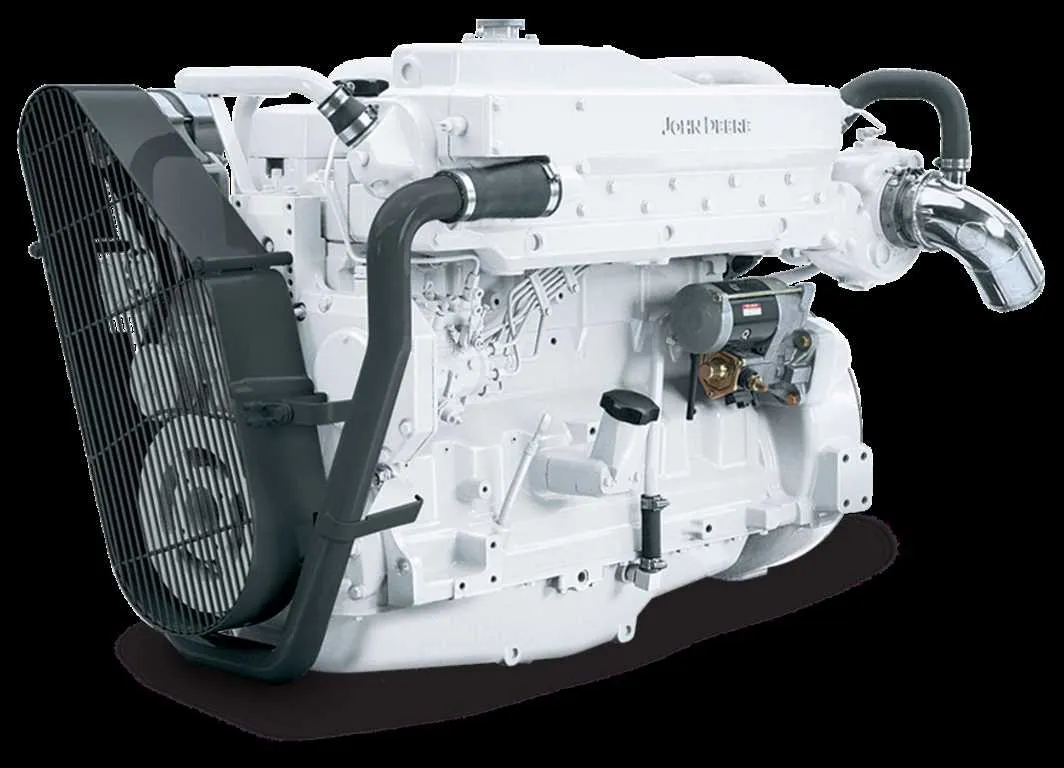
The John Deere marine engine is designed to provide robust power and reliability for various maritime applications. With an array of performance options, it stands out as a top choice for commercial and recreational vessels. A careful assessment of the engine specifications ensures optimal integration into your maritime systems, enabling smooth operations on the water.
The engine offers various configurations, allowing it to cater to different needs, from leisure crafts to industrial vessels. By focusing on the engine’s fuel efficiency, torque delivery, and power output, boat owners can achieve better performance and longevity from their marine engines.
Understanding the engine’s key specifications, such as horsepower, displacement, and RPM range, is crucial for selecting the best model. The engine’s maintenance intervals also contribute to its long-term reliability, with regular checks on components like the cooling system, fuel filters, and oil levels ensuring minimal downtime.
Performance and Power Output of the John Deere Marine Engine
The John Deere marine engine delivers impressive performance, focusing on both power output and reliability. With engine configurations ranging from 75 to 600 horsepower, these engines are designed to meet the demands of various marine applications, from commercial vessels to recreational boats.
For example, the 4045TFM85 model offers 125 horsepower at 2,400 RPM, providing smooth and consistent power. This engine strikes a balance between fuel efficiency and robust performance, making it ideal for mid-sized boats and vessels operating in diverse marine conditions.
The larger 6135SFM85 engine, producing up to 600 horsepower at 2,100 RPM, is perfect for heavy-duty applications where high torque and extended endurance are required. This engine is built to handle the demands of long hours at sea while maintaining optimal fuel consumption rates.
John Deere’s marine engines incorporate advanced turbocharging and intercooling technology, allowing for more efficient combustion and better fuel economy. This results in less environmental impact while providing superior power output when needed.
Overall, these engines are engineered for both high performance and longevity. Their ability to maintain stable power across a variety of conditions makes them a reliable choice for both commercial and private marine operations.
Maintenance Requirements for Optimal Operation of the John Deere Marine Engine
To keep your John Deere marine engine running at peak performance, regular maintenance is key. Begin by following the manufacturer’s recommended service intervals for oil changes, which typically occur every 250 hours of operation or once a year, whichever comes first. Use the specified engine oil grade and type to ensure proper lubrication and avoid damage to internal components.
Next, check the air filters regularly. Clean or replace them as needed to maintain airflow and prevent dust and debris from entering the engine. Blocked or dirty filters can reduce engine efficiency and lead to overheating. It’s also crucial to inspect and clean the cooling system, including the seawater pump and heat exchangers, to prevent corrosion and scaling, which can impair engine performance.
Inspect the fuel system periodically for leaks, blockages, or contamination. Replace fuel filters every 500 hours or per the manufacturer’s guidelines to ensure smooth fuel delivery and prevent engine misfires. Additionally, regularly inspect the belts and hoses for wear and cracks. Replace them immediately if you notice any signs of damage to prevent costly breakdowns.
Don’t overlook the importance of regular inspection of the exhaust system. Clean or replace exhaust components as necessary to maintain proper exhaust flow and prevent overheating. Tighten any loose fasteners and check for signs of corrosion. A malfunctioning exhaust system can lead to dangerous emissions and reduced engine performance.
Lastly, always monitor engine performance during operation. Any unusual noises, vibrations, or temperature fluctuations should be addressed immediately. Regularly test the engine’s cooling system and check the oil pressure to ensure there are no underlying issues that could compromise the engine’s longevity and operation.
Key Features and Technologies in the John Deere Marine Engine Design
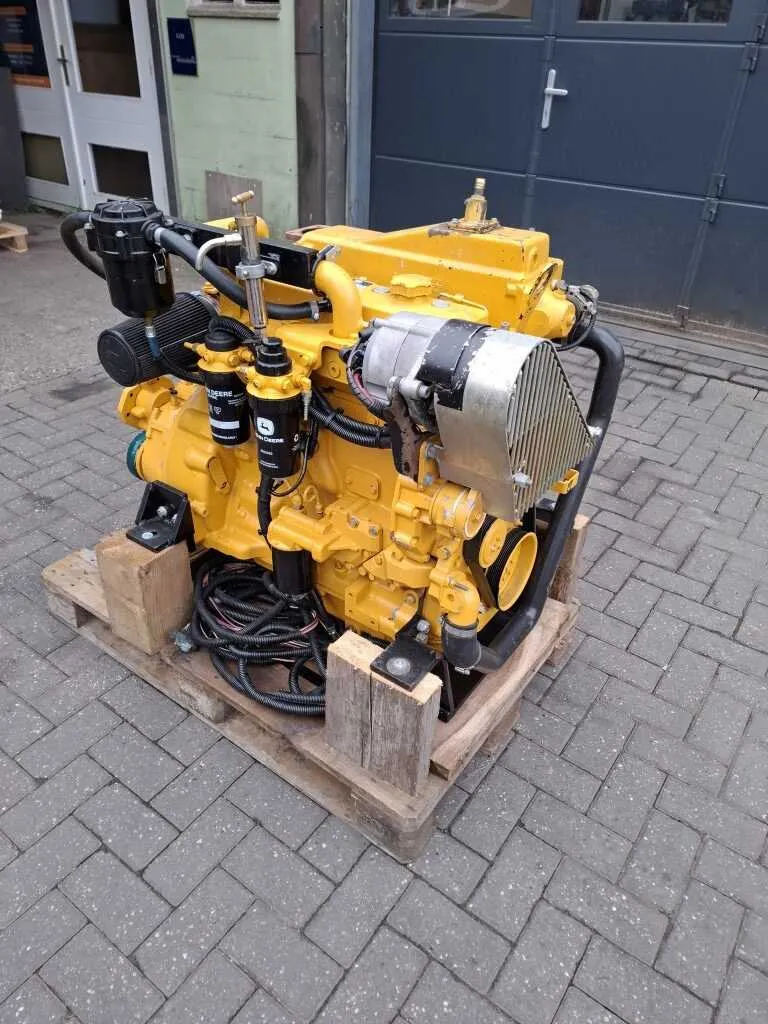
The John Deere marine engine integrates cutting-edge technologies to deliver reliable performance in demanding marine environments. Notably, the use of high-pressure common rail fuel systems ensures precise fuel injection for better combustion control, reducing emissions while maintaining power output. This technology optimizes fuel efficiency, making the engine more environmentally friendly while also improving performance at various load levels.
Another notable feature is the engine’s integrated electronic management system, which continuously monitors and adjusts engine parameters for peak efficiency. This system provides real-time feedback, allowing operators to optimize fuel usage, monitor operational health, and manage maintenance needs proactively.
The heavy-duty construction of the John Deere marine engine is designed to withstand the harsh marine environment. Key components, such as the turbocharging system and cooling system, are engineered for durability and efficiency. These systems ensure consistent performance even under high stress, such as in heavy seas or extended operation at high power levels.
John Deere engines also incorporate advanced filtration technologies that help extend the engine’s lifespan by minimizing wear and tear. The use of advanced oil filtration systems reduces the likelihood of contaminants reaching critical engine components, improving longevity and reducing maintenance intervals.
Finally, the marine engines are designed with ease of maintenance in mind. Components are strategically placed for accessibility, reducing downtime and simplifying repairs. This makes routine maintenance and repairs faster and more efficient, providing boat owners with a cost-effective long-term solution.