John Deere 310G Backhoe Specifications and Key Features
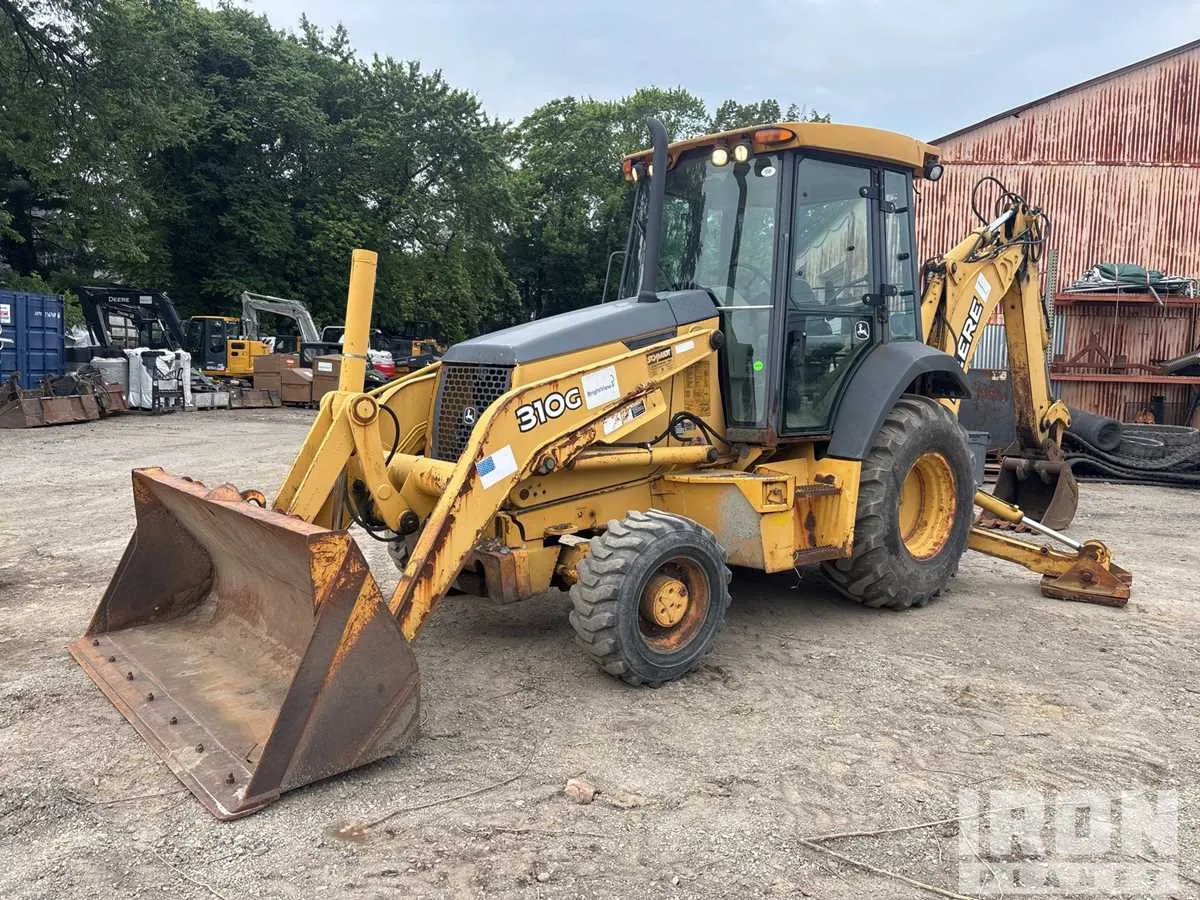
The John Deere 310G backhoe is designed for a range of tasks, from construction to landscaping. With its powerful engine and durable frame, this machine provides the reliability needed for tough jobs.
The engine, a 4.5L turbocharged diesel, delivers 92 horsepower, ensuring excellent performance even in challenging conditions. Its hydraulic system offers precise control and power for lifting and digging operations, with a breakout force of up to 13,500 lbs at the bucket. The 310G is well-suited for digging depth tasks, reaching up to 14 feet with ease.
With an operational weight of 16,800 lbs, the 310G strikes a balance between stability and mobility. The machine’s loader arm features a 7.2-foot lift height, ideal for moving materials on the job site. Additionally, the large fuel tank, holding 24.5 gallons, minimizes downtime, keeping the machine running longer between refuels.
John Deere 310G Backhoe Specifications
The John Deere 310G backhoe features a 92-horsepower engine, providing solid power for various construction tasks. Its 4.5L PowerTech diesel engine ensures smooth operation even in demanding conditions. The machine’s maximum digging depth is 14 feet 3 inches, making it suitable for medium to large-scale projects.
The 310G’s operating weight is approximately 15,000 pounds, offering a good balance between power and maneuverability. With a 1.3-cubic-yard bucket capacity, it handles most digging and loading tasks efficiently. The backhoe’s transport speed reaches up to 25 mph, allowing quick movement between job sites.
This model comes with a hydraulic flow rate of 29.9 gallons per minute, ensuring quick response times and high lifting capacity. The 310G’s maximum digging force is 13,400 pounds, ideal for tougher digging conditions and trenching projects.
The 310G is equipped with a robust hydraulic system that includes a two-section pump for increased efficiency. This system delivers optimal performance and helps extend the machine’s lifespan with regular maintenance. It also features a pilot-operated joystick for precise control over the backhoe and loader functions.
For operator comfort, the 310G comes with a spacious cab and clear visibility, making it easier to navigate tight spaces and keep work areas in view. The air-conditioned cab helps reduce fatigue during long hours of operation.
Engine and Performance Specifications of the John Deere 310G
The John Deere 310G backhoe is powered by a 4.5L, 4-cylinder turbocharged diesel engine, delivering reliable performance for demanding tasks. This engine produces up to 97 horsepower at 2,200 RPM, providing ample power for both digging and lifting operations.
Fuel efficiency is optimized with a high fuel tank capacity of 24.5 gallons (92.8 liters), ensuring extended working hours without frequent refueling. The engine’s displacement of 276 cubic inches (4.5L) ensures smooth operation across various tasks, from trenching to material handling.
The hydraulic system, paired with the engine, offers a maximum breakout force of 8,500 pounds on the loader arm and 11,000 pounds on the bucket, ensuring the 310G can handle tough materials with ease.
With a maximum travel speed of 25 mph (40 km/h), the 310G is highly efficient on both rough and smooth terrains, reducing downtime between work areas. The engine is designed to meet Tier 3 emissions standards, balancing performance with environmental responsibility.
The machine’s powertrain is complemented by the 4-wheel drive system, enabling it to operate efficiently on varied ground conditions. The transmission features four forward and three reverse gears, allowing for precise control and adaptability.
Hydraulic System and Load Capacity of the John Deere 310G
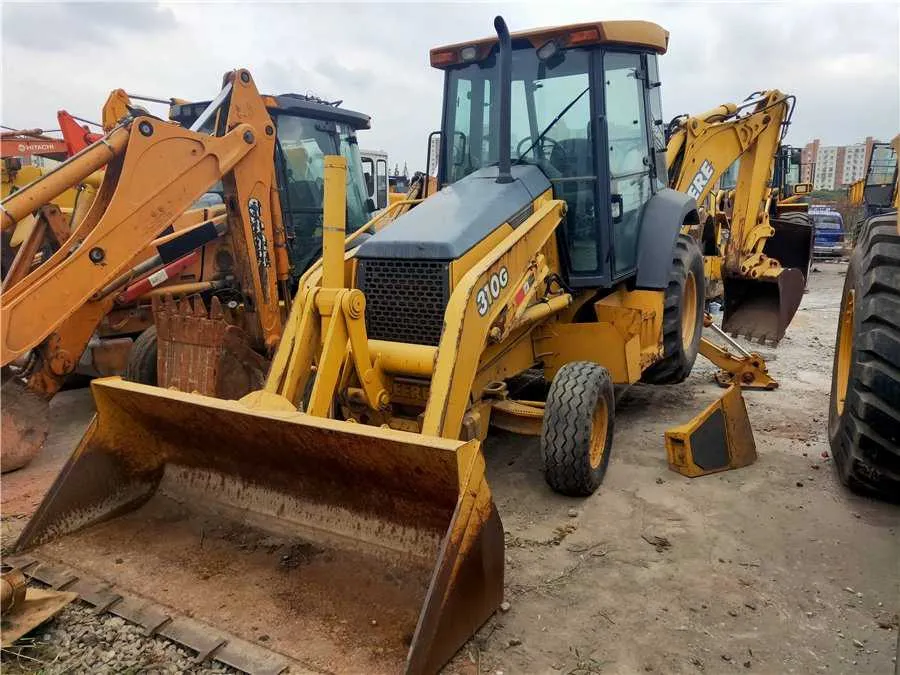
The John Deere 310G backhoe is equipped with a powerful hydraulic system designed for high performance in demanding tasks. With a hydraulic pump that delivers up to 30.5 gpm (115.8 L/min) at 2,400 rpm, the 310G ensures smooth and responsive operation of all attachments. The system is engineered to handle heavy-duty workloads while maintaining efficiency and precision.
The 310G features a dual-element hydraulic system that offers improved lifting and digging capabilities. The rear bucket can handle a digging force of up to 13,500 lbf (60 kN), making it capable of digging deep trenches and lifting substantial loads. The loader’s lifting capacity is equally impressive, with a maximum lift capacity of 7,000 lbs (3,175 kg) at full height, ensuring that the machine can handle a wide range of materials with ease.
Load capacity is optimized through the hydraulic system’s quick response times and high flow rates, which reduce downtime during critical operations. The machine’s balance between hydraulic power and load handling makes it ideal for construction, landscaping, and utility work where both precision and strength are required.
The hydraulic system is also designed to be easily serviced, with accessible components for routine maintenance, reducing downtime and extending the machine’s lifespan. Whether lifting heavy materials or handling intricate digging operations, the 310G’s hydraulic performance meets the demands of a variety of tasks with efficiency and reliability.
Fuel Tank Capacity and Operational Range of the John Deere 310G
The John Deere 310G backhoe features a fuel tank with a capacity of 93 liters (24.5 gallons). This allows the machine to operate efficiently for extended periods without frequent refueling. The fuel tank design ensures easy access for maintenance and refills, optimizing uptime and productivity.
With this fuel capacity, the 310G can cover a wide operational range, making it suitable for medium to large-scale construction and digging tasks. On a full tank, the operational range can reach up to 8-10 hours, depending on usage intensity and work conditions. For maximum efficiency, it is recommended to monitor fuel levels regularly to avoid interruptions during crucial tasks.
When working in less demanding conditions, fuel consumption can be further optimized by adjusting the engine’s RPM and avoiding unnecessary idle time. Regular maintenance of the fuel system, including replacing fuel filters and checking for leaks, also ensures sustained performance and fuel efficiency over time.