John Deere 46 Loader Specifications and Key Features
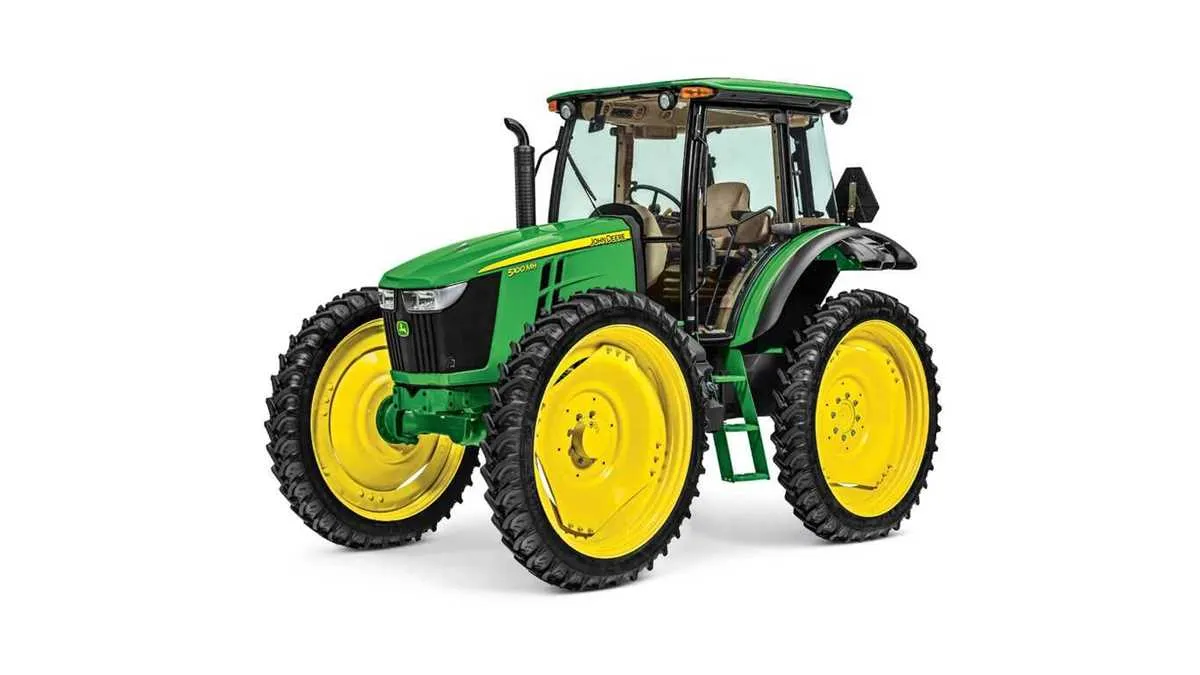
The John Deere 46 Loader offers impressive lifting capabilities, designed to handle heavy-duty tasks with precision. It is ideal for use on compact tractors, providing an optimal balance between power and versatility. With a maximum lift capacity of 1,100 lbs, this loader can efficiently tackle various tasks, from lifting materials to digging and grading with ease.
Equipped with a bucket capacity of 0.55 cubic yards, the 46 Loader ensures that you can move substantial loads without needing frequent reloads. Its lift height reaches up to 91 inches, making it suitable for a wide range of applications, whether you’re working with large stacks of dirt or other materials. The loader’s quick-attach system allows for quick changes between different attachments, reducing downtime and improving productivity on the job site.
The hydraulic system in the John Deere 46 Loader is built for high efficiency, providing reliable performance even in demanding conditions. With a lift and lower time of approximately 4.2 seconds, this loader can handle a variety of tasks without sacrificing speed or control. When paired with the right John Deere tractor, the 46 Loader becomes an indispensable tool for anyone in construction, landscaping, or agriculture.
John Deere 46 Loader Specs
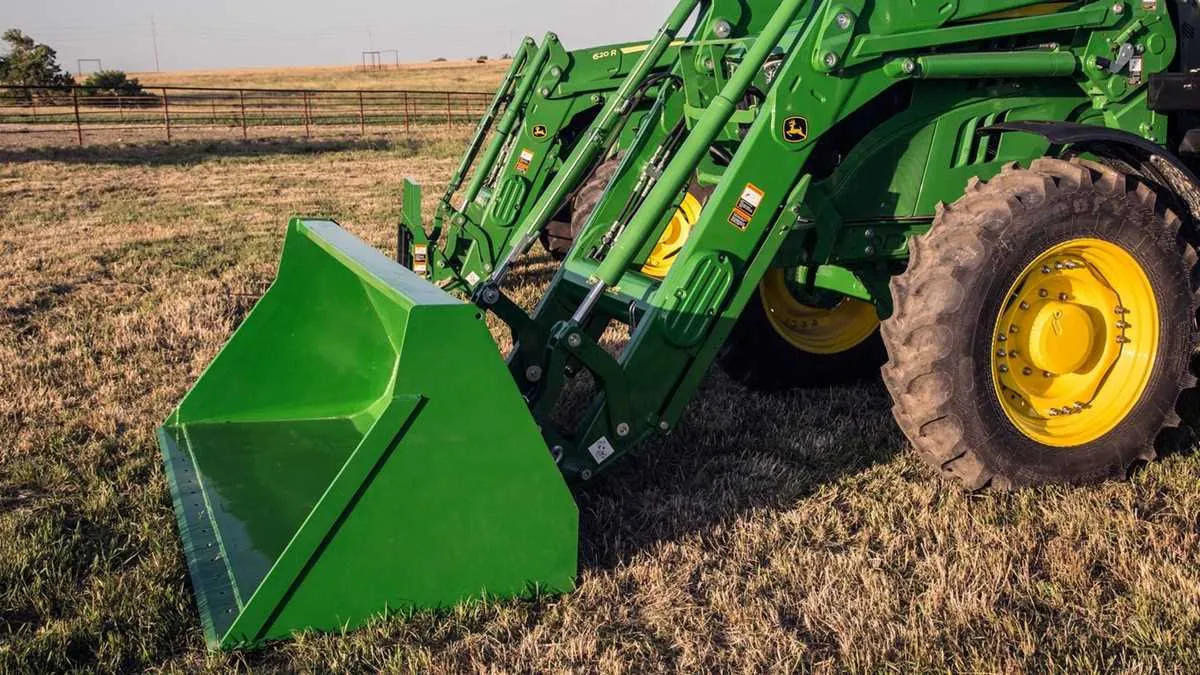
The John Deere 46 Loader delivers excellent performance for compact utility tractors. With a lift capacity of 1,100 lbs (499 kg), it can handle various materials efficiently. The loader’s maximum lift height reaches 8.2 ft (2.5 m), allowing for easy loading into trucks or containers. The bucket width is 60 inches (152 cm), ideal for handling a range of tasks such as moving soil, gravel, and other materials.
Designed for ease of use, the 46 Loader offers quick mounting and dismounting. It features a pin-on connection system for secure attachment to compatible John Deere tractors. The loader’s hydraulics provide smooth operation, while the joystick control makes it easy to manage movements. The system also ensures optimal lifting and lowering speeds, which enhance productivity on the job site.
With a maximum digging depth of 3.2 ft (0.98 m), this loader also supports digging applications when paired with a compatible bucket. Its low-maintenance design and high-quality materials contribute to a long lifespan with minimal downtime. For improved stability, the 46 Loader is equipped with an integrated stabilizer system, which reduces side-to-side movement during operation.
For operators seeking versatility, the 46 Loader can be fitted with various attachments like pallet forks, snow blades, and more, expanding its use beyond basic loading tasks. The loader’s compatibility with the John Deere 3E and 4E series tractors adds value for those looking for an efficient all-around solution.
Hydraulic System Performance and Capacity
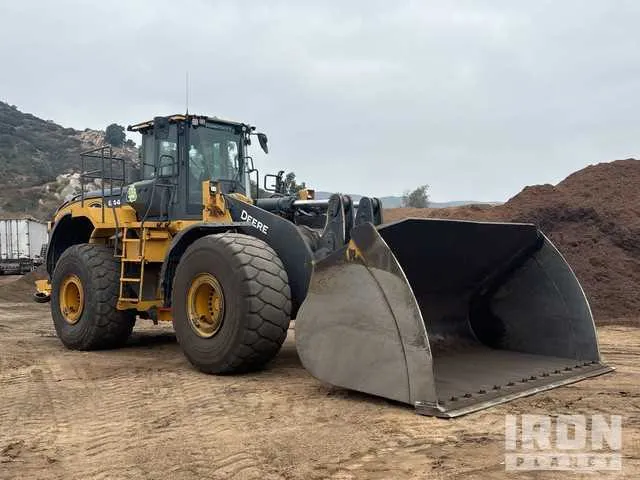
The John Deere 46 loader’s hydraulic system delivers an impressive combination of power and efficiency. The system operates with a pump capacity of 24.2 gallons per minute (GPM), providing a quick and responsive action during lifting, loading, and unloading tasks. The hydraulic pressure peaks at 2,500 psi, ensuring that the loader can handle heavy lifting and demanding operations without compromising performance.
For optimal performance, the hydraulic system uses a high-flow valve to manage the distribution of fluid, ensuring consistent power to all parts of the loader. The 46 loader features a dual-pump system that maximizes the flow of hydraulic fluid for simultaneous operation of both the lift and tilt functions. This reduces downtime and improves operational speed.
The lift capacity of the loader’s hydraulic system is rated at 2,300 lbs at full height, while its breakout force is measured at 4,600 lbs. These values contribute to its versatility, whether you are handling materials in construction, agriculture, or other heavy-duty tasks. With a bucket breakout force that exceeds 50% of the loader’s lift capacity, the system ensures the machine can lift and move substantial loads with ease.
Hydraulic fluid is filtered through a high-efficiency filter, designed to remove contaminants and maintain system longevity. Regular maintenance and fluid checks will ensure the hydraulic system performs optimally for years, reducing the risk of leaks and system failure.
Loader Attachment Compatibility and Options

The John Deere 46 loader supports a wide range of attachments, making it highly adaptable to various tasks. When choosing attachments, ensure they are compatible with the loader’s lift capacity, mounting system, and hydraulic requirements.
Here are the most common attachment options and their specifications:
- Buckets: The 46 loader is compatible with several bucket types, including general-purpose, heavy-duty, and light material buckets. The capacity varies from 0.25 to 1.0 cubic yards, with a maximum lift capacity of around 1,200 lbs (544 kg).
- Forks: Pallet forks are a popular option for handling bulk materials. The 46 loader can lift up to 1,200 lbs with the standard fork attachment. Adjustable fork widths are available for enhanced versatility.
- Grapples: For materials like logs or debris, a grapple attachment provides better control and efficiency. Choose between a single or multi-tine design depending on the type of material you’re handling.
- Snowblades: The snow blade attachment is ideal for clearing snow and debris. The standard width is 72 inches, but you can find models up to 84 inches. Hydraulic control allows for quick angle adjustments while working.
- Augers: For digging holes, augers are available in multiple sizes. The 46 loader can accommodate auger bits with diameters ranging from 6 to 24 inches, with varying depths depending on the specific model.
- Spreader Attachments: If you need to spread material like gravel, fertilizer, or sand, there are spreader attachments compatible with the 46 loader. These offer adjustable flow rates for precise material distribution.
Before purchasing any attachments, verify their compatibility with your 46 loader’s hydraulic system and lift capacity. Using non-compatible attachments can affect performance and lead to premature wear on the loader.
For quick attachment changes, the 46 loader supports John Deere’s quick-coupler system, allowing you to switch between tools efficiently without leaving the cab.
Maintenance Requirements and Common Issues
Regular inspection of the hydraulic system is critical for the John Deere 46 Loader. Keep an eye on hydraulic fluid levels and replace the filter every 500 hours or annually, whichever comes first. Use only John Deere-approved fluids to prevent damage to seals and internal components. Additionally, check hoses and fittings for any leaks or signs of wear, and replace them promptly to avoid system failure.
The loader’s drive chain and sprockets require periodic lubrication. Inspect the chain every 50 hours of operation and apply grease as necessary. Pay attention to signs of wear on the sprockets, and replace them if any teeth are chipped or worn out. Regular maintenance of the drive system can prevent costly repairs.
Keep the loader’s tires properly inflated according to manufacturer specifications. Under or over-inflated tires can lead to uneven wear, reduced traction, and compromised stability. Rotate the tires every 250 hours to ensure even wear across all tires, especially when the loader is frequently used for heavy lifting tasks.
Common issues with the John Deere 46 Loader include electrical system malfunctions, such as faulty battery connections or blown fuses. Regularly inspect the battery terminals for corrosion and ensure they are clean and tight. If the loader has difficulty starting, check the battery charge and clean the terminals to restore proper function.
Another frequent problem is related to the loader’s lifting mechanism. If the loader struggles to lift heavy loads, it could be due to hydraulic fluid contamination or air in the hydraulic system. Bleed the system and check for leaks to resolve these issues. Additionally, verify the condition of the hydraulic cylinders for any signs of damage or leaks.
Lastly, pay attention to the loader’s cooling system. Ensure the radiator is clean and free of debris to prevent overheating. If the engine starts running hot, check coolant levels and inspect hoses for any cracks or leaks. Regular flushing of the cooling system every 1,000 hours will keep the engine running at optimal temperatures.