John Deere 6830 Tractor Specifications and Key Features
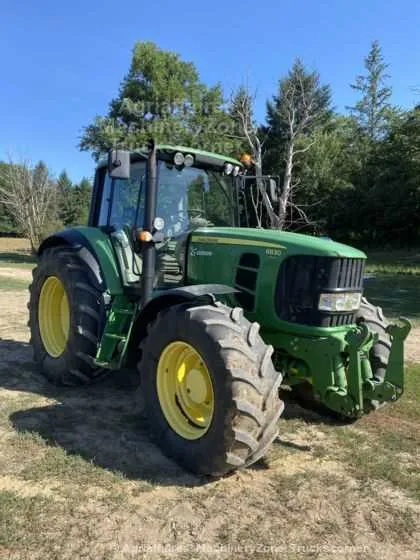
The John Deere 6830 tractor is a reliable and robust machine, designed to handle a variety of tasks with ease. Equipped with a 6.8L 6-cylinder engine, it delivers 155 horsepower, providing ample power for demanding operations in the field. Its high torque output ensures smooth performance even in challenging conditions.
The transmission system features a 16-speed PowerQuad transmission, offering optimal gear selection and smooth shifting. With the option for both 2WD and 4WD configurations, the tractor can be customized to suit different types of terrain and work environments. The 6830 is also equipped with Hydrostatic Power Steering, making maneuvering in tight spaces easier.
Maintenance is simplified with a diesel fuel system that maximizes fuel efficiency and reduces operational costs. The tractor’s hydraulic system offers impressive lifting capacity, making it ideal for handling various implements and attachments. The operator station is designed for comfort, featuring a fully adjustable seat and a clear, user-friendly control panel to ensure a productive day on the field.
John Deere 6830 Tractor Specifications
The John Deere 6830 is equipped with a 6.8L PowerTech Plus engine, delivering 155 horsepower. This engine ensures smooth performance across demanding tasks. The tractor has a 16-speed PowerShift transmission that allows easy control of speed and torque under various load conditions.
With a maximum towing capacity of 7,500 kg, the 6830 provides impressive hauling power. The 4WD system enhances stability on uneven terrain, making it reliable in fields and tough environments. The machine features an electronically controlled hydraulic system with a maximum flow rate of 110 liters per minute, enabling quick attachment operation and high-efficiency farming practices.
The John Deere 6830 is built with a heavy-duty frame and a spacious cab offering improved visibility and comfort during long working hours. It includes a large fuel tank capacity of 220 liters, ensuring extended operation without frequent refueling. The robust build and precise steering system make it ideal for high-precision agricultural tasks.
For operators focused on versatility, the 6830 has a rear three-point hitch capable of lifting up to 6,400 kg. This feature supports a wide range of implements, from plows to seeders, offering flexibility for various agricultural needs.
Engine Power and Performance Metrics of John Deere 6830
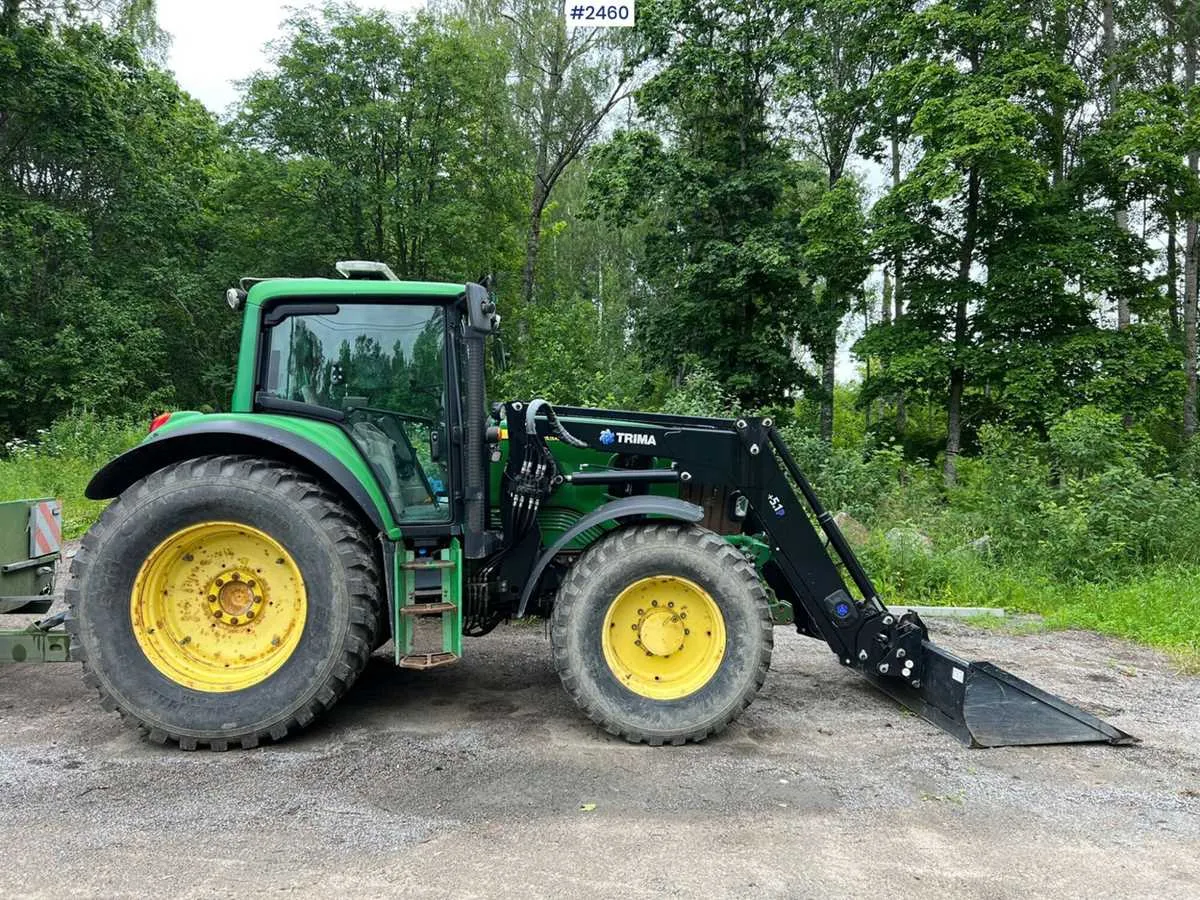
The John Deere 6830 is equipped with a robust 6.8-liter 6-cylinder engine, delivering a maximum output of 155 horsepower. This engine power ensures efficient performance across a range of demanding tasks, from tilling to heavy-duty hauling.
The engine utilizes John Deere’s proven PowerTech Plus technology, enhancing fuel efficiency while maintaining high power delivery. The engine is optimized for consistent performance, even in challenging conditions such as steep inclines or extended operational hours.
Key performance metrics include:
- Maximum Engine Power: 155 hp (116 kW)
- Rated Power: 140 hp (104 kW)
- Torque: 623 Nm (460 lb-ft) at 1,400 rpm
- Engine Type: 6.8L 6-cylinder, turbocharged with intercooler
- Fuel Tank Capacity: 190 L (50.2 gallons)
This engine configuration strikes a balance between fuel economy and operational power. The 6830 excels in both low-end torque and high-end speed, making it a versatile choice for tasks ranging from fieldwork to transport.
For operators seeking consistent performance, the John Deere 6830 delivers with minimal engine wear and extended service intervals, ensuring reliability in long-term use. Regular maintenance, particularly keeping the air filters and cooling systems clean, will help optimize engine life and performance.
Transmission Types and Handling Features of the John Deere 6830
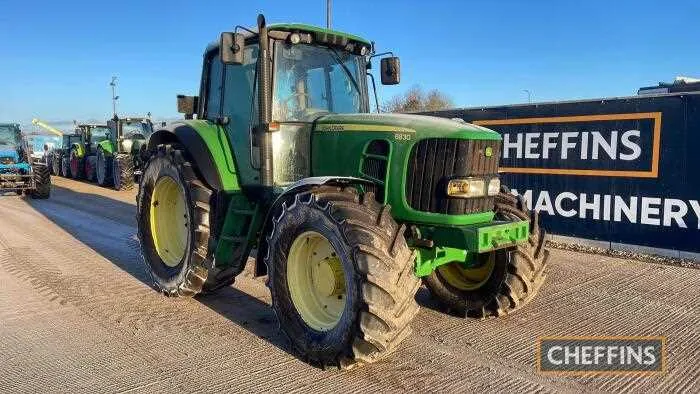
The John Deere 6830 is equipped with a PowerShift transmission, which offers smooth shifting between gears, ensuring precise control during various field operations. The transmission has 16 forward and 4 reverse gears, allowing operators to match the tractor’s speed to the task at hand. This system is designed to provide flexibility for both low-speed tasks, like tilling, and high-speed work, such as transport.
The tractor’s AutoQuad Plus transmission provides automatic gear shifting based on load and speed, reducing operator fatigue. It also includes a creep range for slower speeds in operations like planting or spraying, ensuring optimal performance at low speeds. Operators can manually override the automatic shifting for additional control if necessary.
The John Deere 6830 features excellent handling thanks to its ergonomic design and precise steering system. The tractor comes with a hydraulically-assisted steering system, which enhances maneuverability and responsiveness. With a turning radius of just 4.2 meters, it’s suitable for navigating tight spaces without sacrificing stability.
For operators seeking additional comfort, the optional CommandCenter™ allows easy access to transmission settings and operation controls. This intuitive interface supports seamless transitions between different working environments, improving overall efficiency and reducing the time spent adjusting settings.
Maintenance Guidelines and Common Troubleshooting Tips for John Deere 6830
Regularly inspect the John Deere 6830’s hydraulic system for leaks, as these can significantly affect performance. Check hoses and fittings for wear and replace them immediately if damaged.
Maintain the engine oil at recommended levels. Perform oil changes at regular intervals to ensure smooth engine operation and prevent unnecessary wear. Use the correct oil grade specified in the manual for optimal performance.
Inspect the fuel system for clogging or contamination. Replace fuel filters regularly to avoid poor fuel flow, which can lead to engine misfires or stalling. Ensure that the fuel tank is free from debris or rust buildup.
The cooling system must be maintained by checking coolant levels regularly. Look for leaks or cracks in the radiator or hoses, as overheating can cause serious damage to the engine.
Lubricate all moving parts to reduce friction. Apply grease to the tractor’s joints, hinges, and linkages. Check the bearings regularly for smooth operation and replace any that show signs of wear.
If the transmission is slipping or making unusual noises, inspect the fluid level and ensure it is at the recommended level. Low fluid can cause the transmission to malfunction, so ensure that it is topped off as needed.
If the tractor is not starting or has difficulty starting, inspect the battery connections. Clean any corrosion off the battery terminals and check that the battery is holding a charge. Replace the battery if necessary.
In case of weak power or inconsistent performance, inspect the air filter. A clogged filter can restrict airflow to the engine, causing it to run inefficiently. Clean or replace the air filter as needed.
If you experience problems with steering, check the steering fluid and ensure it’s at the correct level. Low fluid can cause steering to feel stiff or unresponsive.
For brake issues, inspect brake pads and fluid levels. Replace worn pads and ensure there is no air in the brake lines, as this can cause the brakes to fail.