John Deere Model 37 Loader Specifications and Key Features
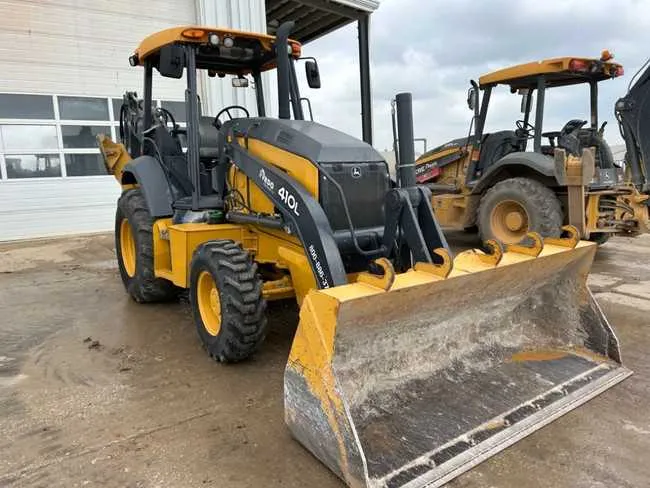
The John Deere Model 37 loader is designed for compact tractors, delivering solid performance for various tasks in agriculture and construction. With a lifting capacity of up to 1,000 pounds, this loader is ideal for users needing reliable handling of materials like dirt, gravel, and light equipment. Its compatibility with John Deere 1010 and 1020 tractors makes it a versatile attachment for those in need of enhanced productivity without sacrificing maneuverability.
The loader features a quick-attach mechanism that simplifies the connection process, saving time during equipment swaps. The robust hydraulics system ensures smooth operation, even under demanding conditions. The bucket, with a width of 54 inches, is suited for a range of materials, making it effective in both residential and commercial applications.
Maintenance is straightforward with accessible grease points and a durable design that minimizes wear and tear. For optimal use, ensure that the loader is paired with the correct tractor model and regularly check hydraulic fluid levels to maintain performance. Whether you’re lifting or moving materials, the John Deere Model 37 loader offers both power and efficiency in a compact design.
John Deere Model 37 Loader Specs
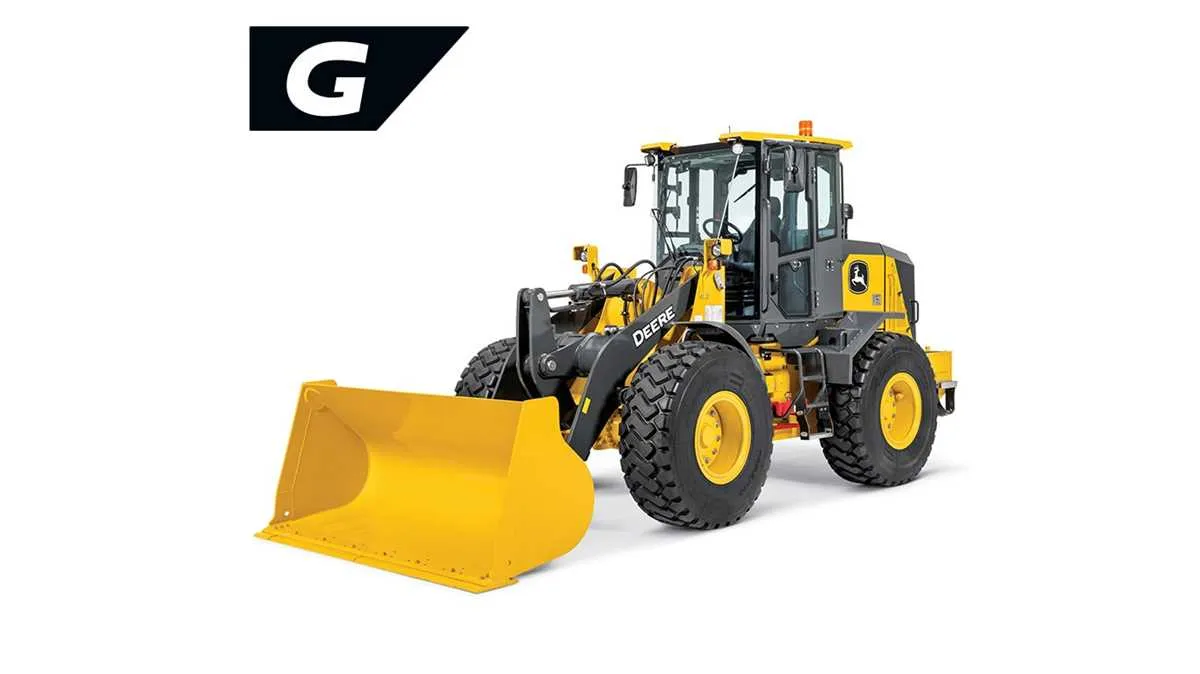
The John Deere Model 37 Loader is a versatile, compact loader designed for a range of tasks, especially when used with smaller agricultural tractors. It’s known for its efficient performance and reliable design. Below are the key specifications:
Loader Type: Standard Front-End Loader
Weight: 950 lbs (430 kg) – ensures durability without sacrificing maneuverability.
Lifting Capacity: 1,000 lbs (454 kg) at full height, offering ample lifting power for most agricultural needs.
Maximum Lift Height: 7.5 ft (2.29 m), which allows for lifting loads to higher levels with precision.
Maximum Dump Angle: 45 degrees, ideal for quick unloading with minimal effort.
Bucket Capacity: 0.35 cubic yards (0.27 cubic meters), suited for handling small to medium material volumes.
Hydraulic System: Utilizes a hydraulic pump with a flow rate of 8.5 gpm (32.2 lpm) to power the loader effectively.
Mounting System: Quick-attach mounting for easy installation and removal without the need for additional tools.
Compatibility: Best used with John Deere 1020, 1520, and 2020 series tractors, providing optimal performance when paired with these models.
For users seeking reliability in handling light to medium loads, the John Deere Model 37 Loader offers solid performance and ease of use, making it a dependable choice for small-scale farm operations.
Loader Capacity and Lifting Specifications
The John Deere Model 37 loader offers impressive lifting capabilities. It can handle a maximum load of 1,500 lbs at full lift height, making it suitable for various material handling tasks. The loader’s lift height reaches 8 feet, which allows for easy loading into trucks or bins.
At the pivot point, the lift capacity is 1,000 lbs, ensuring optimal stability during operation. For greater lifting precision, the loader’s lifting arms provide a 50-inch clearance at maximum height, giving ample space for loading or unloading materials. Additionally, the breakout force at the bucket is 2,200 lbs, which contributes to efficient digging and lifting in tough conditions.
When operating with a bucket, it is advised to maintain a load of no more than 1,200 lbs for safer handling and better performance. This loader excels in mid-range lifting tasks, balancing both strength and ease of use, with a quick cycle time to maximize productivity on various terrains.
Hydraulic System Details for Model 37
The John Deere Model 37 loader features a closed-center hydraulic system designed for optimal performance and smooth operation. The hydraulic pump is driven by the engine, providing the necessary power for lifting and maneuvering heavy loads. It operates at a pressure of 2,000 PSI, which is ideal for handling typical loader tasks.
The system includes a 10-gallon hydraulic reservoir, which ensures consistent fluid flow and cooling during extended use. Hydraulic fluid should be checked regularly for cleanliness and proper levels to avoid damage to the pump and valves.
For precise control, the Model 37 uses a priority valve system that directs fluid to the loader’s most critical functions first, such as the lift and bucket cylinders. This ensures that the loader performs efficiently, even when multiple functions are being used simultaneously.
Keep the hydraulic hoses free from damage and check for any leaks to maintain system pressure. Replacing worn-out hoses promptly can prevent more expensive repairs. Always use the recommended hydraulic fluid type for optimal performance and longevity of the components.
Maintenance and Service Recommendations for John Deere 37 Loader
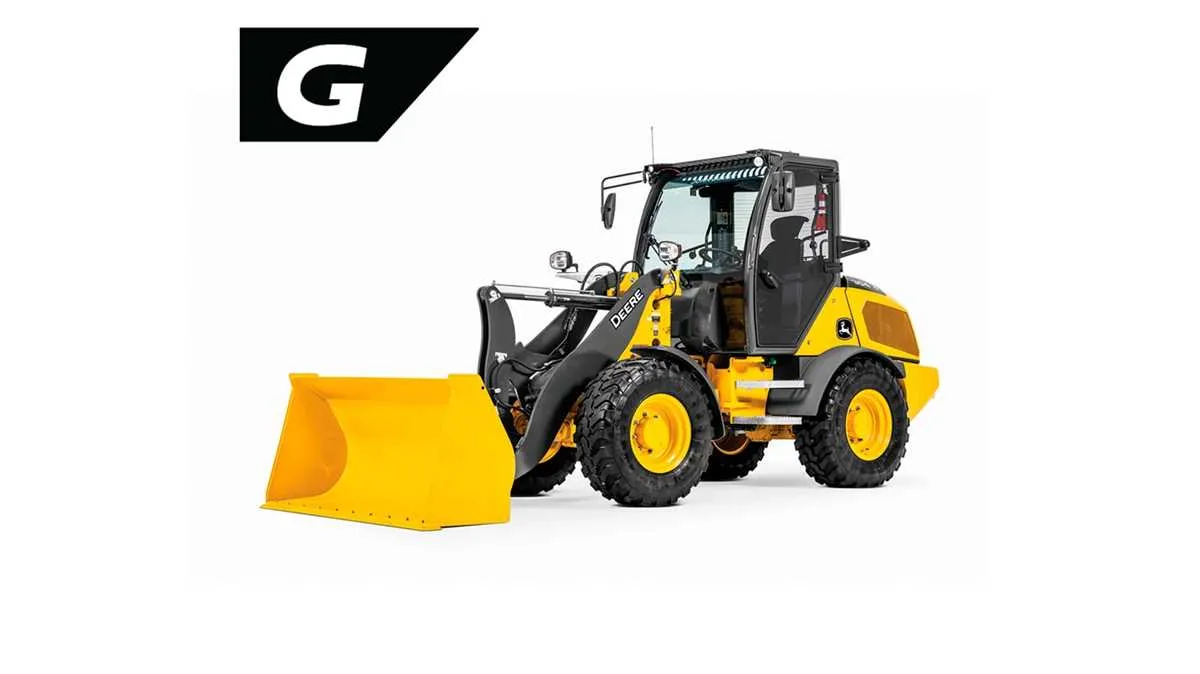
Check the hydraulic system regularly. Inspect the hydraulic fluid level and ensure it meets the recommended level. Replace the fluid and filter every 1000 hours of operation or once a year, whichever comes first. Dirty or contaminated hydraulic fluid can cause significant damage to the system.
Inspect the tires for wear and damage. Keep them properly inflated, adjusting pressure as per manufacturer guidelines. Tire pressure should be checked at the start of each day’s work to ensure optimal performance and prevent uneven wear.
Grease all pivot points, joints, and cylinders at least once a day. Pay attention to the loader arms and the bucket linkages. This helps reduce friction and wear, extending the life of your equipment.
Examine the engine oil and replace it every 250 hours of operation. Also, inspect the oil filter during each oil change. Make sure to use oil that meets John Deere’s specifications to maintain engine efficiency.
Check the air filter regularly. A clogged air filter can lead to reduced engine performance. Replace it if it’s dirty or damaged. For environments with heavy dust, inspect it more frequently.
Inspect the cooling system regularly. Clean the radiator fins and check the coolant level. Ensure there are no leaks in the system and that the hoses are in good condition. Flush and replace the coolant as per the recommended intervals.
Monitor the battery voltage and keep terminals clean and tight. Corroded terminals can lead to poor performance and difficulty starting the loader. Replace the battery every 2-3 years or when it no longer holds a proper charge.
Inspect the loader’s bucket for wear and tear. Check for cracks or dents, especially along the edges. If you notice significant damage, replace or weld the bucket to maintain its functionality and avoid further damage to the loader arms.
Perform regular inspections on the drive system, including the drive belts and pulleys. Tighten or replace worn or frayed belts immediately to avoid unexpected downtime. Check for any unusual noise or vibration that could indicate a mechanical issue.
Ensure all lights and indicators are functional. Replace any burnt-out bulbs to ensure visibility during low-light conditions, especially when working at night or in poorly lit environments.
When storing the John Deere 37 loader for extended periods, clean the equipment thoroughly, check fluid levels, and apply a layer of grease to exposed metal parts to prevent rust. Disconnect the battery and store it in a cool, dry place.